
Dr Anil Potdar
About Me
Dr Anil Potdar
Cardiologist
Biography
My Clinic
OPD Hours
| Tuesday | Morning | 10:00 AM | - | 02:00 PM |
| Evening | 06:00 PM | - | 09:00 PM | |
| Wednesday | Morning | 10:00 AM | - | 02:00 PM |
| Evening | 06:00 PM | - | 09:00 PM | |
| Thursday | Morning | 10:00 AM | - | 02:00 PM |
| Evening | 06:00 PM | - | 09:00 PM | |
| Friday | Morning | 10:00 AM | - | 02:00 PM |
| Evening | 06:00 PM | - | 09:00 PM | |
| Saturday | Morning | 10:00 AM | - | 02:00 PM |
| Evening | 06:00 PM | - | 09:00 PM | |
| Sunday | Morning | 10:00 AM | - | 02:00 PM |
| Evening | 06:00 PM | - | 09:00 PM | |
| Thursday | Morning | 10:00 AM | - | 02:00 PM |
| Evening | 06:00 PM | - | 09:00 PM |
Treatments
Specialised care and treatments offered
STRESS TESTING

A stress test evaluates how well your heart performs under physical exertion. It’s instrumental in diagnosing various cardiac conditions by revealing how your cardiovascular system responds when challenged.
- This evaluation typically occurs when patients exhibit symptoms like chest pain or have risk factors indicating possible underlying coronary artery disease without evident signs at rest!
ARRHYTHMIA EVALUATION
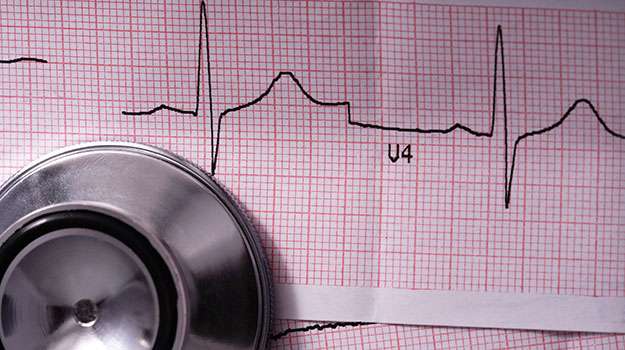
An arrhythmia is an abnormal heartbeat that can either be too fast or too slow. It’s essential to evaluate any irregularities promptly since they vary greatly in severity and potential impact on health over time.
- Symptoms might range from palpitations or dizziness to more severe manifestations such as fainting spells; some may remain asymptomatic entirely despite having significant rhythm disorders present upon testing...
- A precise diagnosis involves careful review through ECGs , holter monitoring , or event recorders tailored according patient's specific circumstances .
- Management could involve medications aimed at regulating heartbeat effectiveness along with potential lifestyle changes enhancing overall cardiovascular fitness.Certain patients may also require interventional approaches, depending on their unique clinical scenario .
Early detection allows appropriate treatments tailored specifically towards individual needs providing sustained improvement over time .
HEART FAILURE MANAGEMENT
Heart failure occurs when the heart cannot pump adequately to meet the body’s needs. Managing this chronic condition requires comprehensive care strategies tailored to individual patient needs and conditions.
- Symptoms include fatigue, edema in legs or abdomen, and shortness of breath during normal activities or while lying down—indicating reduced capacity for physical exertion.
- A thorough medical evaluation including physical examinations and imaging tests like echocardiograms helps confirm diagnosis and identify severity levels of heart failure.
- Treatment usually encompasses lifestyle adjustments—such as sodium restriction—and medications that improve pumping efficiency or relieve symptoms related to fluid retention.Certain patients might also benefit from advanced therapies, including devices like pacemakers or surgical interventions if necessary.
With appropriate management strategies in place, individuals living with heart failure can maintain an enjoyable quality of life while minimizing hospitalizations due to acute episodes.
ELECTROCARDIOGRAM (ECG)
An electrocardiogram (ECG) is a simple yet essential test that assesses the electrical activity of the heart. This non-invasive procedure helps diagnose various cardiac conditions by interpreting heart rhythms over time.
- Persistent symptoms such as chest pain, irregular heartbeat, or fatigue may prompt an ECG evaluation to uncover underlying issues.
- The test is painless; electrodes are placed on the skin to record electrical signals generated by the heart’s activity during rest or exercise.
- Results can indicate conditions such as arrhythmias or prior heart attacks and inform treatment strategies based on specific findings.
- Patients undergoing an ECG should expect results quickly—often within the same visit—allowing timely decision-making regarding further care if needed.
An ECG plays a pivotal role in detecting heart problems early, improving outcomes through timely intervention.
CHOLESTEROL SCREENING
Cholesterol screening is a vital preventive measure that helps assess your risk of developing heart disease. High cholesterol levels can lead to the buildup of plaques in arteries, putting you at risk for coronary artery disease.
- Symptoms of high cholesterol are often absent; hence screenings are important, especially for those with risk factors like obesity or a family history of heart disease.
- A blood test called a lipid panel measures cholesterol levels and can provide insight into your cardiovascular health status.
- If elevated levels are detected, lifestyle modifications such as adopting a heart-healthy diet, regular exercise, and possibly medications might be recommended.
- Regular screenings allow for early intervention, which is crucial in managing potential heart-related issues effectively.
Maintaining healthy cholesterol levels is essential for overall cardiovascular wellness.
HYPERTENSION MANAGEMENT
Managing hypertension is crucial for maintaining cardiovascular health. This condition often goes unnoticed until serious complications arise, making regular monitoring essential.
- Common symptoms may include headaches, shortness of breath, and nosebleeds; however, many individuals experience no noticeable signs.
- Diagnosis typically involves measuring blood pressure regularly and may require additional tests to assess the overall impact on heart health.
- Treatment options focus on lifestyle changes such as diet and exercise, alongside potential medication to help lower blood pressure effectively.
- Patients can expect follow-up appointments to monitor their progress and adjust treatment plans as necessary.
- Effective management can lead to significant improvements in quality of life and greatly reduce risks associated with heart disease.
Proactive management is key to preventing long-term complications from hypertension.