
Dr Anil Potdar
About Me
Dr Anil Potdar
Cardiologist
Biography
My Clinic
OPD Hours
| Tuesday | Morning | 10:00 AM | - | 02:00 PM |
| Evening | 06:00 PM | - | 09:00 PM | |
| Wednesday | Morning | 10:00 AM | - | 02:00 PM |
| Evening | 06:00 PM | - | 09:00 PM | |
| Thursday | Morning | 10:00 AM | - | 02:00 PM |
| Evening | 06:00 PM | - | 09:00 PM | |
| Friday | Morning | 10:00 AM | - | 02:00 PM |
| Evening | 06:00 PM | - | 09:00 PM | |
| Saturday | Morning | 10:00 AM | - | 02:00 PM |
| Evening | 06:00 PM | - | 09:00 PM | |
| Sunday | Morning | 10:00 AM | - | 02:00 PM |
| Evening | 06:00 PM | - | 09:00 PM | |
| Thursday | Morning | 10:00 AM | - | 02:00 PM |
| Evening | 06:00 PM | - | 09:00 PM |
Treatments
Specialised care and treatments offered
CARDIOGENIC SHOCK

Cardiogenic shock occurs when the heart cannot pump enough blood to meet the body’s needs. It's a critical condition requiring immediate medical attention. Awareness about its causes aids in swift identification and treatment measures essential for recovery.
- Symptoms: Signs may include severe shortness of breath, cold clammy skin, weak pulse, confusion due to inadequate organ perfusion.
- Causes: It often arises from extensive myocardial infarction but can also be triggered by severe arrhythmias or significant valvular disease.
ATRIAL FIBRILLATION
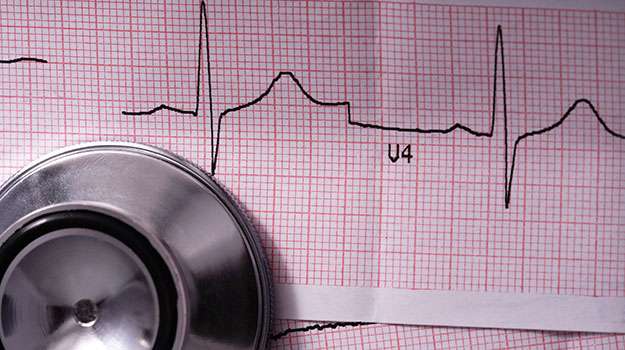
Atrial fibrillation (AFib) is an irregular heartbeat that can lead to blood clots in the heart. It poses significant risks if not treated properly. Recognizing this condition allows for timely intervention and management strategies that are vital for maintaining cardiovascular health.
- Symptoms: Individuals may experience palpitations, dizziness, fatigue, chest pain, or difficulty breathing.
- Causes: Various factors including high blood pressure, heart valve issues, hyperthyroidism among others can trigger AFib instances.
- Diagnosis: Diagnosis typically involves ECGs or Holter monitors that track heart rhythms over time.
- Treatment Options: Management might involve medications such as anticoagulants or rhythm control drugs; sometimes electrical cardioversion is necessary.
- What to Expect: Ongoing follow-up with healthcare providers helps ensure effective control of symptoms and prevention of complications like stroke.
Atrial fibrillation necessitates careful management; adherence to treatment regimens can greatly improve outcomes for patients experiencing this condition.
CONGESTIVE HEART FAILURE
Congestive heart failure (CHF) is a chronic condition where the heart's ability to pump blood effectively decreases. This leads to fluid accumulation in the lungs and surrounding tissues. Understanding CHF helps in managing symptoms and improving quality of life.
- Symptoms: Common symptoms include fatigue, shortness of breath during exertion or at rest, swelling in legs or abdomen, and rapid heartbeat.
- Causes: Conditions such as coronary artery disease, hypertension, or previous heart attacks can contribute to CHF development.
- Diagnosis: Diagnosis often involves physical examinations, echocardiograms, and blood tests assessing kidney function.
- Treatment Options: Management may include lifestyle changes, medications like diuretics or ACE inhibitors, and possibly surgical interventions.
- What to Expect: Patients frequently require ongoing monitoring and adjustments to their treatment plans based on symptom changes.
With appropriate care strategies implemented early on, many individuals with CHF live full lives while managing their condition effectively.
ACUTE MYOCARDIAL INFARCTION
Acute myocardial infarction, commonly known as a heart attack, occurs when blood flow to a part of the heart is suddenly blocked. This can lead to damage in heart muscle if not quickly addressed. Understanding the symptoms and response is crucial for effective management.
- Symptoms: Typical signs include chest pain, shortness of breath, cold sweat, nausea, and lightheadedness.
- Causes: The primary cause is usually coronary artery disease, often due to plaque buildup.
- Diagnosis: Medical professionals typically use an electrocardiogram (ECG), blood tests for cardiac enzymes, and imaging studies to confirm a heart attack.
- Treatment: Immediate treatment options may include medications such as anticoagulants and thrombolytics or procedures like angioplasty.
- What to Expect: After an event, patients may need rehabilitation and lifestyle changes to improve heart health.
An acute myocardial infarction requires swift action; timely treatment can save lives and reduce complications significantly.
FAQs
What are signs of an impending stroke?
Speech difficulties) is an easy way remember early indicators of strokes; anyone showing these signs must receive immediate medical help from specialists available locally within Mumbai area clinics .