
Dr Anil Rtiwari
About Me
Dr Anil Rtiwari
General Physician
Biography
My Clinic
OPD Hours
| Tuesday | Morning | 10:00 AM | - | 02:00 PM |
| Evening | 06:00 PM | - | 09:00 PM | |
| Wednesday | Morning | 10:00 AM | - | 02:00 PM |
| Evening | 06:00 PM | - | 09:00 PM | |
| Thursday | Morning | 10:00 AM | - | 02:00 PM |
| Evening | 06:00 PM | - | 09:00 PM | |
| Friday | Morning | 10:00 AM | - | 02:00 PM |
| Evening | 06:00 PM | - | 09:00 PM | |
| Saturday | Morning | 10:00 AM | - | 02:00 PM |
| Evening | 06:00 PM | - | 09:00 PM | |
| Sunday | Morning | 10:00 AM | - | 02:00 PM |
| Evening | 06:00 PM | - | 09:00 PM | |
| Thursday | Morning | 10:00 AM | - | 02:00 PM |
| Evening | 06:00 PM | - | 09:00 PM |
Treatments
Specialised care and treatments offered
PREVENTIVE HEALTH CHECK-UPS
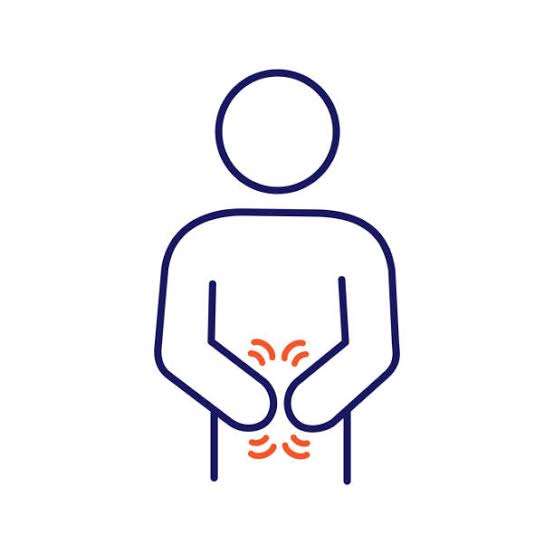
A routine preventive health check-up serves as an opportunity to assess overall wellness before problems arise. Emphasizing preventive care helps detect potential health issues early on when they’re most manageable.
THYROID FUNCTION TESTS

The thyroid gland plays a pivotal role in regulating metabolism through hormone production. Inconsistent thyroid function can lead to various health issues requiring careful evaluation via diagnostic tests.
- Symptoms : Individuals may experience symptoms ranging from weight fluctuations (loss/gain), fatigue/energy variation along with mood shifts if dysfunction occurs.
- Common Disorders : Hypothyroidism (underactive) & hyperthyroidism (overactive) capture most prevalent concerns needing intervention hence awareness plays critical role!
- Diagnosis : Blood tests measuring TSH (Thyroid Stimulating Hormone), free T4 help establish precise functioning status—determining type required course action ensuing findings thereafter.
- Treatment Options : If hypothyroid found primarily supplementation through levothyroxine mediates restoration otherwise hyperthyroid functions managed accordingly via antithyroid meds/Radiosodium iodine therapy might be paramount depending on individual cases altogether instead tailored individually taking growth patterns account too…
This necessary proactive step ensures appropriate attention received promptly guarding against further adverse developments stemming unreconciled states potentially paving way healthier happier existence moving forward overall beneficially towards everyday life too!
CHOLESTEROL MONITORING
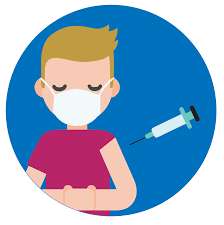
Lipid disorders involve abnormalities in cholesterol levels that can pose serious cardiovascular risks. Monitoring cholesterol levels regularly allows for better management strategies to prevent heart disease.
- Symptoms: Typically there are no visible symptoms associated with high cholesterol; hence regular screening is vital even if you feel healthy.
- Risk Factors: Family history, poor diet high in saturated fats and trans fats alongside inactivity contribute heavily toward elevated cholesterol levels.
- Diagnosis: A simple blood test called a lipid panel measures total cholesterol as well as its components like LDL ('bad') cholesterol and HDL ('good') cholesterol.
- Management Options: Lifestyle changes including a heart-healthy diet rich in fruits/vegetables coupled with exercises forms foundation while medications like statins assist further control where needed.
- Anticipated Outcomes: Proactive adjustments will enhance overall cardiovascular health reducing risks linked closely between unregulated lipids leading potentially life-threatening diseases later on down line!
Managing cholesterol diligently fuels longevity prospects greatly aiding towards achieving ideal heart functionality achievable through hard work put forth into this essential aspect healthcare journey!
ALLERGY TESTING
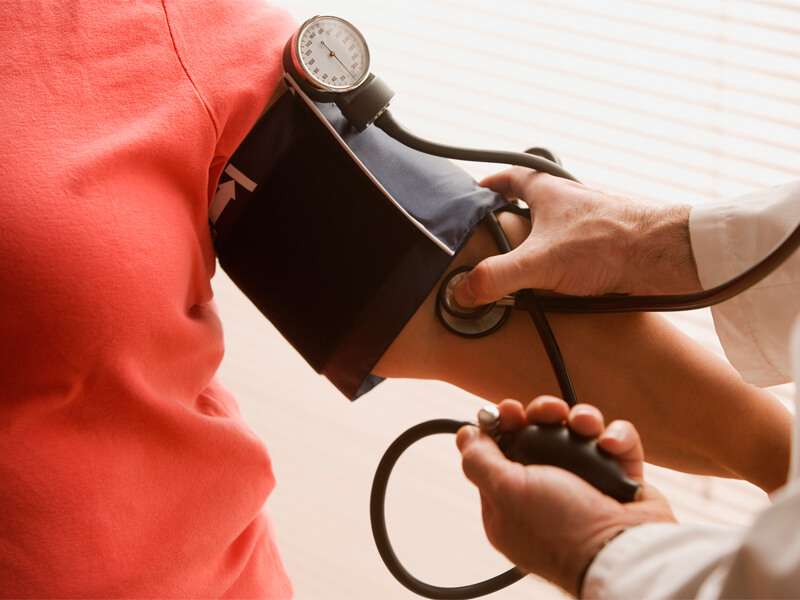
Allergies occur when the immune system reacts to certain substances known as allergens. Understanding one's allergies can immensely improve day-to-day living by facilitating avoidance strategies.
- Common Allergens: Pollen, pet dander, mold, dust mites are frequent culprits that trigger allergic reactions.
DIABETES SCREENING

Diabetes is a chronic condition that affects how your body processes sugar (glucose). Early detection through screening is crucial in managing the disease effectively and preventing complications.
- Risk Factors: Obesity, sedentary lifestyle, family history of diabetes are significant contributing factors.
- Symptoms: Increased thirst, frequent urination, fatigue, and blurred vision can indicate the presence of diabetes.
- Diagnosis: Tests such as fasting plasma glucose or HbA1c levels help confirm a diagnosis of diabetes or prediabetes.
- Treatment Options: Lifestyle changes including diet modifications and increased physical activity form the cornerstone of management; medications may also be prescribed when necessary.
- Managing Expectations: Regular follow-up appointments will ensure effective control of glucose levels and monitoring for possible complications over time.
The importance of proactive management during early stages cannot be overstated as it greatly enhances quality of life for individuals at risk.
HYPERTENSION MANAGEMENT
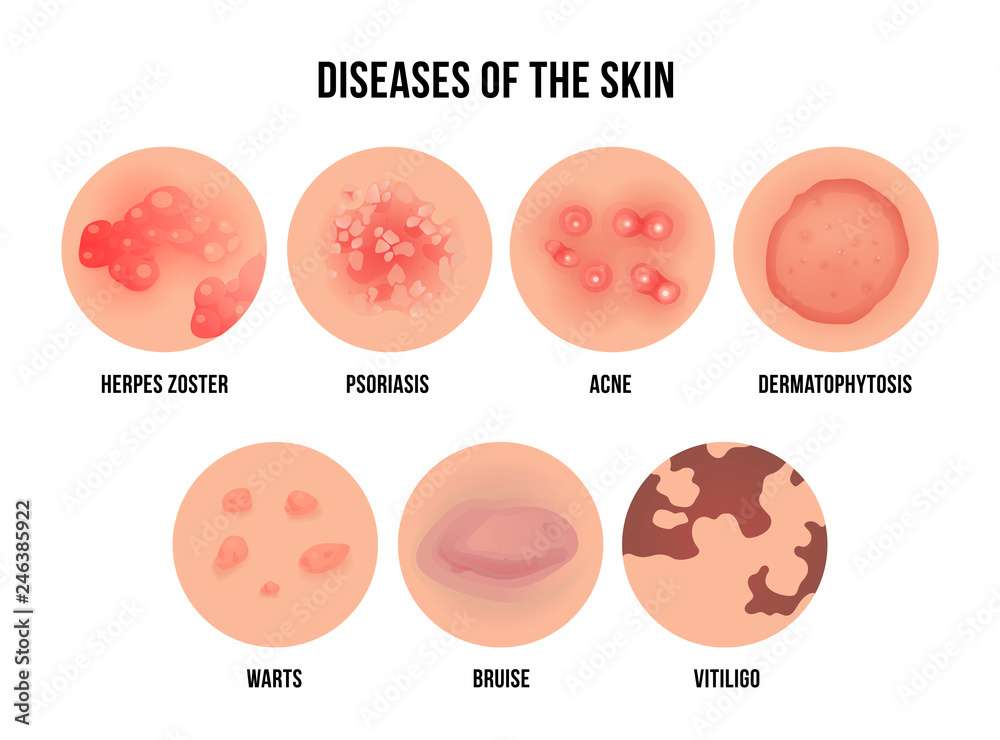
Hypertension, or high blood pressure, is a commonly encountered condition that can lead to serious health issues if left untreated. It is often labeled as the 'silent killer' because it typically doesn't present noticeable symptoms until significant damage has occurred.
- Symptoms: Many individuals may not experience any symptoms; however, some may report headaches, shortness of breath, or nosebleeds.
- Causes: Factors contributing to hypertension include obesity, lack of physical activity, excessive salt intake, and chronic stress.
- Diagnosis: Blood pressure is measured using a sphygmomanometer. A series of readings may be necessary for an accurate diagnosis.
- Treatment Options: Management includes lifestyle modifications like diet and exercise, alongside medications such as diuretics and ACE inhibitors.
- What to Expect: Regular monitoring and follow-ups are essential to manage hypertension effectively and reduce the risk of complications such as heart disease.
A comprehensive approach involving education and lifestyle changes can significantly improve outcomes for those with high blood pressure.