
Dr Anil sharma h
About Me
Dr Anil sharma h
MS
Urologists
10 Years Experience
Biography
My Clinic
OPD Hours
| Monday | Morning | 10:00 AM | - | 02:00 PM |
| Evening | 06:00 PM | - | 09:00 PM | |
| Tuesday | Morning | 10:00 AM | - | 02:00 PM |
| Evening | 06:00 PM | - | 09:00 PM | |
| Wednesday | Morning | 10:00 AM | - | 02:00 PM |
| Evening | 06:00 PM | - | 09:00 PM | |
| Thursday | Morning | 10:00 AM | - | 02:00 PM |
| Evening | 06:00 PM | - | 09:00 PM | |
| Friday | Morning | 10:00 AM | - | 02:00 PM |
| Evening | 06:00 PM | - | 09:00 PM | |
| Saturday | Morning | 10:00 AM | - | 02:00 PM |
| Evening | 06:00 PM | - | 09:00 PM | |
| Sunday | Morning | 10:00 AM | - | 02:00 PM |
| Evening | 06:00 PM | - | 09:00 PM |
Treatments
Specialised care and treatments offered
PROSTATITIS
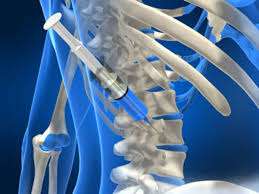
Prostatitis refers to inflammation of the prostate gland which can cause discomfort and various urinary issues. This condition may be acute or chronic depending on its underlying cause.
- Common symptoms include pelvic pain, painful urination, feverish sensations during acute phases.
- Diagnosing prostatitis typically involves blood tests alongside evaluation techniques such as prostatic secretions analysis.
- Treatment depends on type: antibiotics are frequently prescribed for bacterial prostatitis while chronic forms may require pain management strategies complemented by lifestyle changes.
Addressing prostatitis promptly helps alleviate discomfort while preventing complications; therefore seeking professional guidance from specialists remains paramount.
ERECTILE DYSFUNCTION

Erectile dysfunction (ED) is the inability to achieve or maintain an erection suitable for sexual intercourse. This condition affects many men at some point in their lives but is often treatable through various methods.
- This issue may arise from causes such as psychological factors like anxiety or physical conditions including diabetes or cardiovascular disease.
- A comprehensive assessment will typically include discussing health history along with physical examinations tailored for diagnosing ED correctly.
- Treatment options range from lifestyle modifications and counseling to oral medications designed specifically for enhancing erectile function.
- If these approaches do not yield satisfactory results, other interventions such as vacuum devices or penile implants might be recommended based on individual needs.
If you're experiencing challenges related to erectile function, consulting with a skilled urologist can uncover potential solutions tailored just for you.
OVERACTIVE BLADDER

An overactive bladder occurs when there is an urgent need to urinate frequently during both day and night. This condition can be distressing but is manageable with appropriate care.
- Symptoms include sudden urges to urinate which can lead to leakage or accidents if not attended promptly.
- A thorough evaluation that may involve questionnaires about urinary habits will help in diagnosing this disorder effectively.
- Treatment might encompass behavioral therapies such as bladder training combined with medications that relax the bladder muscle.
- If these methods prove insufficient, advanced treatments like nerve stimulation therapy might be suggested by your healthcare provider.
Pursuing treatment with a urologist can lead to significant improvements in managing this condition successfully and restoring confidence in daily activities.
KIDNEY STONES

Kidney stones form when minerals crystallize in urine, leading to varying degrees of pain based on their size and location. They are relatively common and can affect individuals of all ages.
- Common symptoms include severe pain in the side or back, hematuria (blood in urine), and persistent nausea.
- A diagnosis often includes imaging tests like CT scans or ultrasounds to visualize stone presence and measure their size.
- Treatment strategies vary; smaller stones may pass naturally while larger ones might require procedures such as shock wave lithotripsy or ureteroscopy for removal.
- Post-treatment management also includes hydration strategies and dietary adjustments to prevent recurrence of kidney stones.
If you’re experiencing painful symptoms related to this condition, consulting with a urologist could provide crucial insights into effective management options.
BENIGN PROSTATIC HYPERPLASIA (BPH)

Benign Prostatic Hyperplasia is a condition characterized by the enlargement of the prostate gland. This non-cancerous condition often affects older men and can lead to uncomfortable urinary symptoms.
- The most noticeable symptoms include difficulty starting urination, weak urine flow, and the need to urinate frequently at night.
- A urologist can perform diagnostic tests including digital rectal exams (DRE) and ultrasound imaging to assess prostate size.
- Treatment may involve medication aimed at shrinking the prostate or relaxing bladder neck muscles to ease symptoms.
- In more severe cases, surgical options are available for effective relief from blockage caused by the enlarged gland.
Timely medical intervention is essential for managing BPH effectively and improving quality of life.
URINARY INCONTINENCE

Urinary incontinence is a common condition that can significantly impact a person’s quality of life. It involves the involuntary loss of urine, which may occur during activities like sneezing or laughing, or sometimes without any warning whatsoever.
- Symptoms may include leaking urine when coughing, an urgent need to urinate, and frequent nighttime urination.
- The diagnosis typically involves a physical examination, detailed medical history, and possibly tests such as a bladder diary or urodynamic studies.
- Treatment options include lifestyle changes, pelvic floor exercises, medications, and in some cases, surgical interventions.
- Managing this condition effectively can lead to improvement in daily activities and overall mental well-being.
Seeking advice from a urologist can provide personalized strategies to help regain control over bladder functions.