
Dr Anila Kothari
About Me
Dr Anila Kothari
MD
Oncologist
10 Years Experience
Biography
My Clinic
OPD Hours
| Monday | Morning | 10:00 AM | - | 02:00 PM |
| Evening | 06:00 PM | - | 09:00 PM | |
| Tuesday | Morning | 10:00 AM | - | 02:00 PM |
| Evening | 06:00 PM | - | 09:00 PM | |
| Wednesday | Morning | 10:00 AM | - | 02:00 PM |
| Evening | 06:00 PM | - | 09:00 PM | |
| Thursday | Morning | 10:00 AM | - | 02:00 PM |
| Evening | 06:00 PM | - | 09:00 PM | |
| Friday | Morning | 10:00 AM | - | 02:00 PM |
| Evening | 06:00 PM | - | 09:00 PM | |
| Saturday | Morning | 10:00 AM | - | 02:00 PM |
| Evening | 06:00 PM | - | 09:00 PM | |
| Sunday | Morning | 10:00 AM | - | 02:00 PM |
| Evening | 06:00 PM | - | 09:00 PM |
Treatments
Specialised care and treatments offered
MULTIPLE MYELOMA
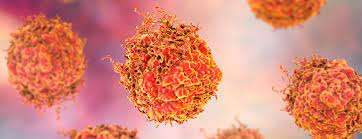
This blood cell malignancy predominantly affects plasma cells within bone marrow. Although it primarily occurs in older adults typically over 65 years old., awareness about its signs forwarded by advances makes timely diagnosis crucial for favorable prognoses
.- .
- Key Symptoms encompass bone pain frequently located within spine regions , unexplained anemia related fatigue , kidney troubles leading subsequently into further complications’ series.
- Assessment process includes blood tests evaluating protein levels alongside reviewing imaging studies targeting bones affected max .
- Standard Treatments could involve chemotherapy regimens coupled possibly containing targeted medicines plus scheduled therapies helping mitigate pain while improving quality immensely during clinical pathways toward recovery success-oriented outcomes recurring high probabilities found respecting existing literature available .
Promoting patient education surrounding multiple myeloma leads beneficially ensuring proper guidance stands upon establishing rapport between oncologists treating cautiously respective concerns raised altogether throughout professional engagements .
HODGKIN'S LYMPHOMA
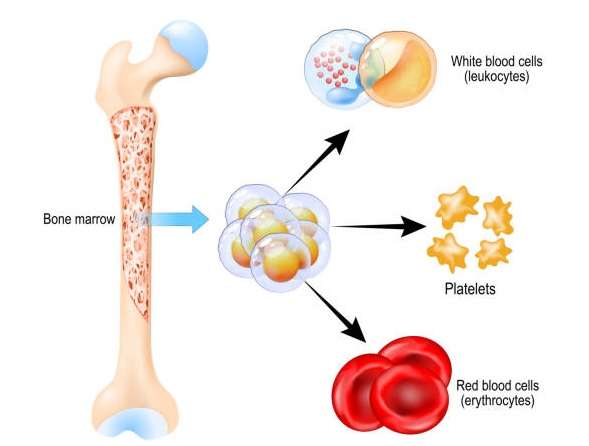
This specific type of lymphoma affects lymphatic tissues. Hodgkin's lymphoma is characterized by its unique Reed-Sternberg cells found under microscopic examination. It primarily strikes younger adults but can occur at any age
- The hallmark symptoms include swollen lymph nodes without pain, fever, night sweats, itching skin, or unintentional weight loss over time.'s lymphatic system.
- Diagnosis requires lymph node biopsy alongside imaging tests like PET scans to ascertain disease spread .
- Treatment often includes chemotherapy , radiation therapy , or stem cell transplants based on disease stage .
- Management focuses on close monitoring after initial treatments since successful recoveries are frequent with Hodgkin's lymphoma .
Being knowledgeable about Hodgkin’s lymphoma enhances patient confidence while seeking medical assistance promptly when required .
COLORECTAL CANCER

This form of cancer starts in the colon or rectum and is often associated with lifestyle factors. Awareness of this condition is vital as early detection significantly improves survival rates.
- Symptoms can include changes in bowel habits, abdominal discomfort, fatigue, weight loss, or blood in stools which should not be ignored.
- A colonoscopy is a key diagnostic tool that allows doctors to visualize the colon's interior directly and take biopsies if necessary.
- Treatment often involves surgery to remove tumors along with chemotherapy or radiation aimed at eradicating remaining cancer cells following surgery if indicated by pathology reports.
- Cancer staging plays a role in determining an appropriate management strategy tailored to each patient's situation.
Being aware of colorectal cancer risks encourages regular screenings and proactive health choices among individuals over 50 years old or those with family history risks.
PROSTATE CANCER
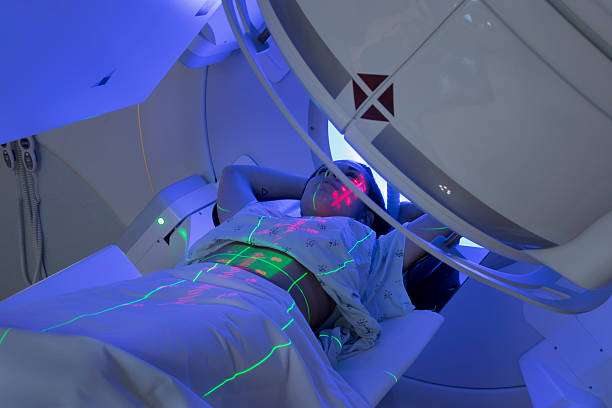
Prostate cancer occurs when cells in the prostate gland grow uncontrollably. It mainly affects older men and can vary significantly in terms of aggressiveness.
- Common signs include difficulty urinating, blood in urine or semen, and pelvic discomfort; however, some men may experience no symptoms initially.
- Typically diagnosed through PSA blood tests combined with digital rectal examinations (DRE) if necessary for further investigation.
- Treatment methods range from active surveillance for low-risk cases to surgery, radiation therapy, or hormone therapy for more advanced stages.
- Your healthcare team will tailor treatment plans based on individual risk factors and overall health conditions.
- Palliative care options can greatly improve quality of life during treatment phases.
Recognizing symptoms early can lead to timely intervention with better outcomes for prostate cancer patients.
LUNG CANCER
Lung cancer arises when abnormal cells grow uncontrollably in the lung tissues. It's one of the most common cancers globally and poses a significant health threat.
- The most prevalent symptoms include persistent coughing, chest pain, weight loss, and shortness of breath.
- Diagnosis usually involves imaging studies such as CT scans along with biopsies to determine cancer type.
- Main treatment strategies consist of surgical intervention, chemotherapy, targeted therapies, or immunotherapy depending on the cancer stage.
- Regular follow-ups are critical to monitor recovery and manage any complications that arise during treatment.
- An informed approach to lifestyle changes can significantly enhance prognosis post-diagnosis.
Comprehensive education about lung cancer aids patients in navigating their treatment options effectively.
BREAST CANCER
Breast cancer is a type of malignancy that develops in the breast tissue, primarily affecting women, though men can also be diagnosed. Early detection is crucial for effective treatment and management.
- Symptoms may include a lump in the breast, changes in breast shape or size, and unusual discharge from the nipple.
- Diagnosis typically involves imaging tests like mammograms, ultrasound, and biopsy to confirm the presence of cancerous cells.
- Treatment options vary based on stages and may include surgery, chemotherapy, radiation therapy, or hormone therapy.
- A personalized treatment plan is essential and often involves multidisciplinary teams for optimal care.
- Supportive care is important throughout the patient's journey to manage side effects and emotional well-being.
Understanding the various aspects of breast cancer can empower patients to seek timely intervention and support systems.