
Dr Anila Sharma
About Me
Dr Anila Sharma
DO
Ophthalmologist
Biography
My Clinic
OPD Hours
| Monday | Morning | 10:00 AM | - | 02:00 PM |
| Evening | 06:00 PM | - | 09:00 PM | |
| Tuesday | Morning | 10:00 AM | - | 02:00 PM |
| Evening | 06:00 PM | - | 09:00 PM | |
| Wednesday | Morning | 10:00 AM | - | 02:00 PM |
| Evening | 06:00 PM | - | 09:00 PM | |
| Thursday | Morning | 10:00 AM | - | 02:00 PM |
| Evening | 06:00 PM | - | 09:00 PM | |
| Friday | Morning | 10:00 AM | - | 02:00 PM |
| Evening | 06:00 PM | - | 09:00 PM | |
| Saturday | Morning | 10:00 AM | - | 02:00 PM |
| Evening | 06:00 PM | - | 09:00 PM | |
| Sunday | Morning | 10:00 AM | - | 02:00 PM |
| Evening | 06:00 PM | - | 09:00 PM |
Treatments
Specialised care and treatments offered
PEDIATRIC EYE EXAMS
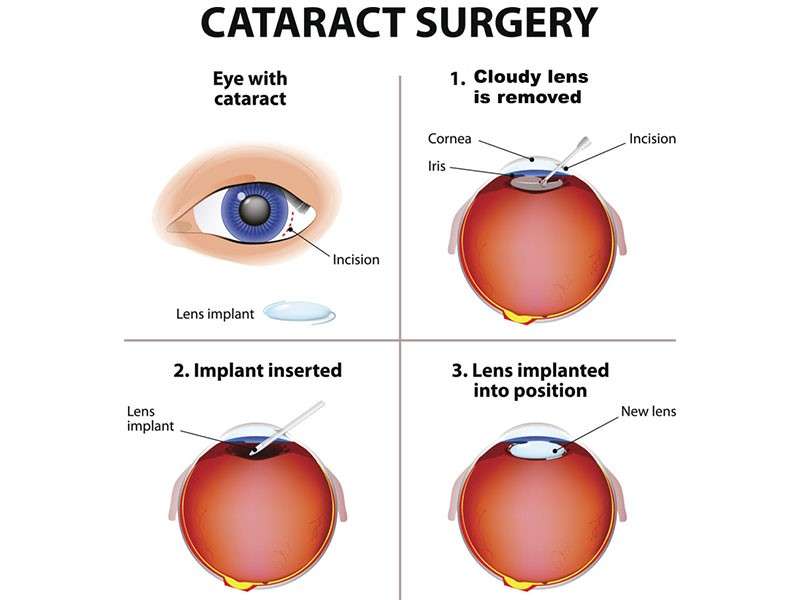
Pediatric eye exams play a vital role in detecting potential vision problems at an early age among children which lays foundation for healthy eyesight throughout life.
[< ul ](https://format) >- ( < learing ))>[< learing](https://format)
`( ). -passer}
CORNEAL ABRASION CARE
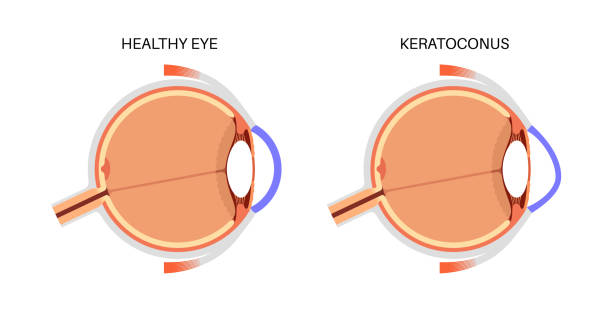
A corneal abrasion occurs when there’s a scratch on the cornea's surface leading to pain and discomfort. It can happen due to foreign bodies such as dust or injuries from contact lenses.
- Symptoms : Redness, tearing, intense pain, sensitivity to light, blurred vision shall warrant immediate attention.
- Diagnosis : Eye examinations using fluorescein staining provide insights into abrasions' extent; slit-lamp examination assesses overall corneal health.
- Treatment : Treatment generally involves antibiotic ointment application along with protective eyewear; older methods included patching but current practices recommend allowing natural tear production for healing instead.
- Management : Patients should avoid rubbing their eyes while maintaining follow-up schedules as instructed by their doctor for optimal healing processes.
- Expectations : Many abrasions heal swiftly within one day while thorough monitoring ensures no secondary infections occur afterwards.
DIABETIC RETINOPATHY TREATMENT
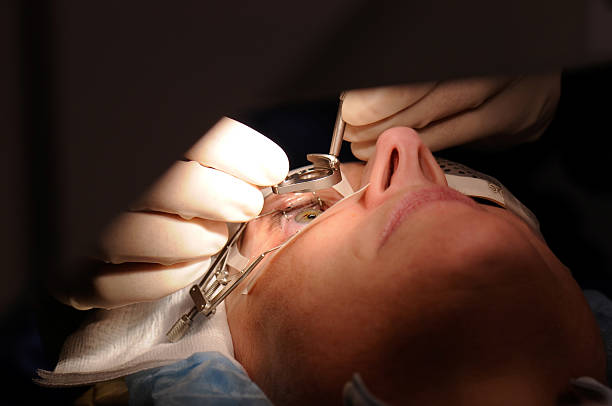
This complication associated with diabetes affects blood vessels in the retina and can lead to serious vision impairment. Early detection and management are key to preventing severe outcomes.
- Symptoms: Blurred vision, dark spots or floaters, and difficulty seeing colors may indicate diabetic retinopathy's presence.
- Diagnosis: Comprehensive eye exams including dilated fundus examinations allow for accurate assessment of retinal health.
- Treatment : Options depend on severity; mild cases may only require close monitoring while more advanced cases might need laser therapy or injections within the eye.
- Management : Control blood sugar levels through diet and medication remains critical alongside regular ocular assessments for those with diabetes.
- Expectations : Treatment effectiveness varies; some patients may experience stabilization while others could see improvement post-intervention.
The implications of untreated diabetic retinopathy highlight the importance of vigilant self-care and professional eye evaluations.
GLAUCOMA MANAGEMENT
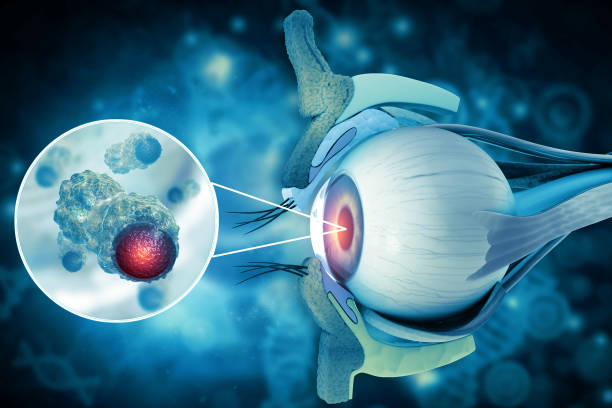
Glaucoma refers to a group of conditions that damage the optic nerve due to increased intraocular pressure. It often develops gradually without noticeable symptoms until significant damage occurs.
- Symptoms: Often asymptomatic in early stages; advanced glaucoma can result in loss of peripheral vision or tunnel vision.
- Diagnosis: Regular eye examinations including visual field tests and tonometry help detect early signs of glaucoma.
- Treatment: Initial treatments typically involve medicated eye drops aimed at lowering pressure. More advanced cases may require laser treatment or surgical options as needed.
- Management: Ongoing monitoring is vital as this condition requires lifelong management to preserve eyesight.
A proactive approach helps in managing glaucoma effectively; regular check-ups are essential!
RETINAL DETACHMENT REPAIR
A retinal detachment is a serious condition where the retina pulls away from its normal position in the back of the eye. This requires immediate medical attention to prevent permanent vision loss.
- Symptoms: Sudden appearance of floaters or flashes of light, a shadow over part of your vision, or a sudden decrease in visual clarity.
- Diagnosis: An urgent examination by an eye care specialist includes visual tests and imaging techniques like ultrasound or optical coherence tomography (OCT).
- Treatment: Options include laser surgery or cryotherapy to secure the retina back in place, along with possible vitrectomy if necessary.
- Management: Patients may need to limit activities during recovery; follow-up visits are crucial for monitoring healing progress.
- Expectations: Some improvements may be noticed soon after treatment, but full recovery could vary from person to person.
Acting quickly can save your sight; don’t hesitate to seek help if you notice symptoms!
CATARACT SURGERY
Cataracts are a common eye condition that leads to the clouding of the lens, affecting vision. This condition often progresses slowly and can interfere with daily activities such as reading and driving.
- Symptoms: Blurry vision, difficulty seeing at night, sensitivity to light, and seeing halos around lights.
- Diagnosis: An eye examination by an ophthalmologist will assess visual acuity and check for cataracts using a slit-lamp microscope.
- Treatment: The primary treatment is surgical removal of the cloudy lens, which is generally safe and effective. In many cases, an artificial intraocular lens is implanted.
- Management: Post-surgery care includes follow-up appointments to ensure healing and optimal vision correction.
- Expectations: Most patients experience improved vision shortly after surgery, although full recovery might take several weeks.
Timely intervention can significantly improve quality of life impacted by cataracts.