
Dr Aniruddha Bhuiyan
About Me
Dr Aniruddha Bhuiyan
General Surgeons
Biography
My Clinic
OPD Hours
| Tuesday | Morning | 10:00 AM | - | 02:00 PM |
| Evening | 06:00 PM | - | 09:00 PM | |
| Wednesday | Morning | 10:00 AM | - | 02:00 PM |
| Evening | 06:00 PM | - | 09:00 PM | |
| Thursday | Morning | 10:00 AM | - | 02:00 PM |
| Evening | 06:00 PM | - | 09:00 PM | |
| Friday | Morning | 10:00 AM | - | 02:00 PM |
| Evening | 06:00 PM | - | 09:00 PM | |
| Saturday | Morning | 10:00 AM | - | 02:00 PM |
| Evening | 06:00 PM | - | 09:00 PM | |
| Sunday | Morning | 10:00 AM | - | 02:00 PM |
| Evening | 06:00 PM | - | 09:00 PM | |
| Thursday | Morning | 10:00 AM | - | 02:00 PM |
| Evening | 06:00 PM | - | 09:00 PM |
Treatments
Specialised care and treatments offered
UPPER GI ENDOSCOPY
An upper GI endoscopy serves as an essential diagnostic tool allowing visualization of the esophagus, stomach, and duodenum. This minimally invasive procedure helps identify various gastrointestinal disorders effectively through direct viewing using an endoscope system equipped with specialized cameras positioned correctly inside these organs' linings safely during evaluations without extensive disruption overall aspects precisely were viewed little risk involved generally compared other methods prevalent today making them quite useful!
- Purpose : Primarily aims at diagnosing causes behind unexplained symptoms including heartburn ongoing indigestion swallowing difficulties difficulty experienced consistently over periods taken seriously!
- Preparations Required : Patients should fast beforehand approximately 8 hours before their scheduled appointment point necessary ensuring optimal conditions enabling clearer views during examinations throughout comfortably participating accordingly afterward returning home shortly after completion sessions took place offering peace comfort knowing findings accurately outlined swiftly
- Post-Procedure Care Expectations : Mild throat soreness might occur subsequently regularly resolving naturally yet importantly any concerning signs detected mandate immediate communication physician committing openness future follow ups guarantee successful resolution anybody feeling reassured after going through experiences initial reservations faced initially would disappear quickly turning into confidence holding advantageous outcomes leading healthier lifetimes ahead overall!
A proactive approach toward gastrointestinal health significantly improves long-term wellness benchmarks achieved effortlessly assisting many receive rigorous health checkups routinely taking actionable steps towards soon renewed vitality gains back resulting safer happier lives discovered anew afterward enthusiastically!
BARIATRIC SURGERY

Bariatric surgery encompasses various procedures aimed at weight loss through alterations in digestion. It’s often recommended for individuals struggling with obesity-related health issues when other weight loss methods have failed efficiently over time.
- Indications : Suitable candidates typically have a BMI over 30 with related comorbidities such as diabetes type 2 and sleep apnea affecting overall health negatively;
- Evaluation Process : Thorough assessments—including medical history reviews—are essential before determining eligibility along with discussions surrounding behavioral changes needed following surgery;
- Surgical Options : Popular methods include gastric bypass and sleeve gastrectomy targeting weight reduction effectively while enhancing metabolic functions;
Understanding all aspects surrounding bariatric procedures ensures prospective patients make informed decisions regarding their path towards improved well-being.
DIVERTICULITIS TREATMENT
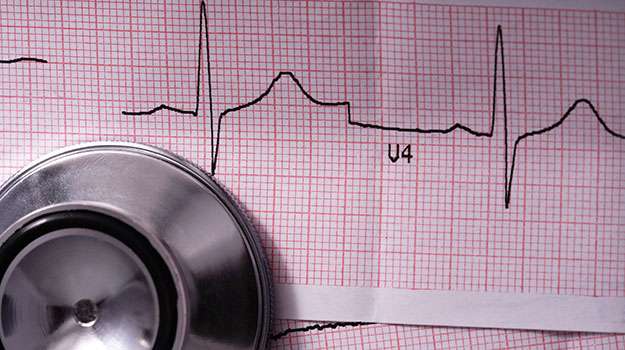
Diverticulitis arises from inflammation of small pouches called diverticula that form in the colon walls. While many individuals remain asymptomatic, flare-ups can lead to significant abdominal discomfort requiring management strategies tailored to individual needs.
- Symptoms: Key indicators include abdominal pains (especially on the left side), fever, changes in bowel habits like diarrhea or constipation, and sometimes bloating or gas buildup.
- Diagnosis Techniques: Doctors rely on symptom history alongside colonoscopy or imaging techniques like CT scans for confirmation of diverticulitis severity.
- Treatment Strategies: Mild cases might warrant dietary modifications focusing on low-fiber diets during flare-ups; severe cases could need antibiotics or even surgery in recurrent instances if complications arise.
Catching diverticulitis early allows effective management that can alleviate symptoms and improve quality of life significantly with appropriate lifestyle choices post-recovery.
APPENDICITIS MANAGEMENT
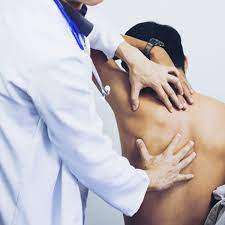
Appendicitis occurs when the appendix becomes inflamed and infected. This condition usually requires prompt medical attention as it can lead to serious complications if untreated. Understanding the symptoms is vital for early detection.
- Symptoms: The classic symptom is abdominal pain that starts near the belly button and moves to the lower right abdomen; nausea and fever often accompany this pain.
- Diagnostic Methods: Physicians typically perform a physical exam; imaging tests like CT scans confirm appendicitis diagnosis effectively.
- Treatment Approaches: Immediate surgical removal (appendectomy) is generally recommended for acute appendicitis. In certain cases, antibiotics alone may suffice for non-operative management.
- Recovery Insights: After surgery, patients usually stay in the hospital for one day before resuming usual activities within weeks while following dietary recommendations carefully.
If you suspect appendicitis, seek medical evaluation promptly to avoid potential complications like perforation of the appendix.
GALLBLADDER REMOVAL (CHOLECYSTECTOMY)
The gallbladder plays a crucial role in digestion by storing bile, but certain conditions may necessitate its removal. The most common reason is the formation of gallstones, which can cause pain and inflammation.
- Symptoms: Individuals may experience sudden pain in the upper right abdomen, especially after eating fatty meals; nausea and vomiting are also common.
- Diagnosis: Imaging studies such as ultrasounds or MRIs help confirm the presence of gallstones and evaluate gallbladder function.
- Treatment Options: The standard treatment involves surgical removal of the gallbladder; this can be done via laparoscopic techniques for quicker recovery times.
- What to Expect Post-Surgery: Patients can usually return to normal activities within a week but should anticipate some dietary adjustments post-removal as their body adapts.
Cholecystectomy is a commonly performed procedure with a high success rate. Understanding your options can help ensure a smooth recovery process.
HERNIA REPAIR
Hernias occur when an organ or tissue protrudes through an abnormal opening in the surrounding muscle or connective tissue. Common types include inguinal, umbilical, and hiatal hernias. Symptoms can vary, but if left untreated, they may lead to serious complications.
- Symptoms: Common signs include a noticeable bulge, pain or discomfort, especially when lifting or straining, and sometimes nausea.
- Diagnosis: A physical examination is often sufficient; imaging tests like ultrasounds or CT scans may be utilized for detailed assessment.
- Treatment Options: While some hernias can be monitored if asymptomatic, surgical intervention (open or laparoscopic) is frequently required for symptomatic cases to avoid complications.
- Post-Operative Care: Recovery typically involves rest and avoiding heavy lifting for several weeks. Patients should follow up with their surgeon to ensure proper healing.
Managing a hernia timely is essential to prevent further health issues. Consult with a healthcare provider for personalized guidance on treatment and recovery plans.