
Dr Anish Maru
About Me
Dr Anish Maru
MD
Oncologist
10 Years Experience
Biography
My Clinic
OPD Hours
| Monday | Morning | 10:00 AM | - | 02:00 PM |
| Evening | 06:00 PM | - | 09:00 PM | |
| Tuesday | Morning | 10:00 AM | - | 02:00 PM |
| Evening | 06:00 PM | - | 09:00 PM | |
| Wednesday | Morning | 10:00 AM | - | 02:00 PM |
| Evening | 06:00 PM | - | 09:00 PM | |
| Thursday | Morning | 10:00 AM | - | 02:00 PM |
| Evening | 06:00 PM | - | 09:00 PM | |
| Friday | Morning | 10:00 AM | - | 02:00 PM |
| Evening | 06:00 PM | - | 09:00 PM | |
| Saturday | Morning | 10:00 AM | - | 02:00 PM |
| Evening | 06:00 PM | - | 09:00 PM | |
| Sunday | Morning | 10:00 AM | - | 02:00 PM |
| Evening | 06:00 PM | - | 09:00 PM |
Treatments
Specialised care and treatments offered
GENETIC TESTING FOR CANCER RISK
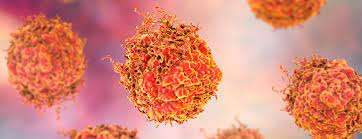
This advanced form of testing evaluates genetic predispositions associated with various cancers. By identifying inherited mutations linked to increased risks—such as BRCA1/BRCA2—it empowers individuals with information necessary for making informed decisions regarding their health management strategies moving forward!
- Symptoms : Often symptomless until later developments occur although personal histories must factor into risking assessments!
- Diagnosis : Tests analyze blood samples seeking specific markers tied towards hereditary patterns recognized scientifically increasing likelihoods posed by certain conditions.
- Treatment Options : Individuals identified at heightened risk might discuss preventive measures including frequent monitoring alternatively prophylactic surgeries based upon findings assessable via healthcare providers!
- What To Expect : Consultation precedes testing thus ensuring clarity surrounding results alongside interpretation guidance received following positive outcomes guiding future decisions across varied healthcare dimensions!
Knowledge obtained through genetic exploration shapes better healthcare planning leads families enabled against potentially serious diagnoses ahead on pathways undeniably fruitful along life journeys ahead!
SKIN CANCER SCREENING
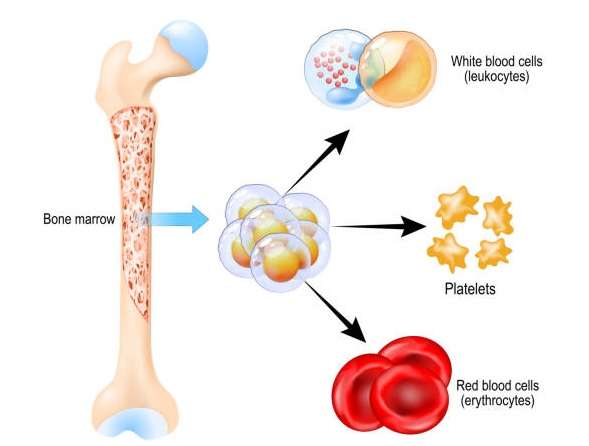
An integral part of preventive health care involves regular skin evaluations for potential signs of skin cancer. These screenings help identify atypical moles or lesions that could signify melanoma or other skin cancers early on when they are most treatable.
- Symptoms: Not all skin cancers exhibit symptoms initially; changes in existing moles’ color, size, or border warrant immediate professional evaluation.
- < span style='font-weight:bold;'>Diagnosis: Dermatologists perform visual examinations complemented by dermatoscopic analysis precisely identifying suspicious areas.
- < span style='font-weight:bold;'>Treatment: Confirmatory biopsy may lead to surgical excision if malignancy is detected; follow-ups ensure comprehensive management afterwards.
- < span style='font-weight:bold;'>Expectations: A thorough examination typically lasts about 30 minutes without any discomfort; recommendations will lead clients toward ideal dermatological vigilance protocols thereafter.
Protecting one's skin through awareness and consistent screenings aids tremendously against progressive malignancies over time ensuring peace-of-mind during sunny outings!
LOW-DOSE CT FOR LUNG CANCER SCREENING

This innovative screening method utilizes low-dose computed tomography (CT) scans to detect lung cancer at its earliest stages. Particularly beneficial for high-risk individuals such as smokers or those with significant exposure history to lung carcinogens, this method enhances early diagnosis efforts considerably.
- Symptoms: Often silent in its initial phases; however, persistent cough or shortness of breath might indicate the need for screening among high-risk groups.
- Diagnosis: The scan provides detailed images of lung tissues enabling radiologists to spot potential malignancies quickly.
- Treatment Options: If abnormalities are detected, subsequent tests may include PET scans or biopsies to confirm diagnosis and strategize treatment plans accordingly.
- Expectations: The scan itself is quick and involves minimal exposure to radiation compared to traditional CTs; annual screenings are suggested for those with elevated risks commencing at age 50 or older depending on smoking history.
A proactive approach towards lung health has shown improvements in survival rates through early detection initiatives like these screenings.
PAP SMEAR
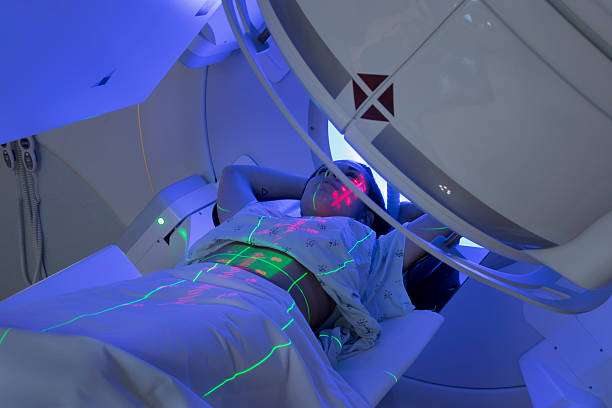
A Pap smear is an essential screening test aimed at detecting precancerous cells in the cervix. Early identification allows for timely intervention, which significantly reduces cervical cancer incidence rates among women.
- Symptoms: Often asymptomatic in its initial stages; abnormal vaginal bleeding may prompt testing.
- Diagnosis: Cells collected from the cervix are examined under a microscope for abnormalities indicative of potential cancerous changes.
- Treatment Options: Depending on results, further tests like colposcopy may follow if atypical cells are found; treatment options vary from monitoring to more invasive surgical procedures if necessary.
- What to Expect: The test takes a few minutes and may cause mild discomfort; regular testing starts at age 21 or three years after becoming sexually active, whichever comes first.
The consistency of getting Pap smears can dramatically improve cervical health outcomes over time.
COLONOSCOPY
A colonoscopy is a vital procedure that examines the interior of the colon using a flexible camera. It plays a key role in preventing colorectal cancer by allowing for the identification and removal of polyps before they can develop into cancer.
- Symptoms: Individuals might experience changes in bowel habits, unexplained weight loss, or abdominal discomfort prior to the exam.
- Diagnosis: While generally diagnostic, biopsies can also be performed during this procedure to investigate suspicious areas further.
- Treatment/Management: Polyps detected during colonoscopy can usually be removed on-site; follow-up screenings are recommended based on individual risk factors.
- Expectations: Preparation involves dietary restrictions and bowel cleansing; sedation is often used to ensure comfort throughout the procedure.
This preventive measure should be considered regularly starting at age 45 or earlier if there's a family history of colorectal issues.
MAMMOGRAPHY
Mammography is a crucial imaging technique used for the early detection of breast cancer. This test can identify tumors that are too small to be felt and can help in assessing the health of breast tissue.
- Symptoms: Many women do not experience any symptoms; however, breast lumps or changes in shape may prompt a mammogram.
- Diagnosis: Radiologists analyze the X-ray images for any abnormalities, often supplemented with additional imaging tests if needed.
- Treatment Options: If an abnormality is found, further evaluation may include ultrasound or biopsy procedures to determine if it is cancerous.
- Expectations: The process itself takes about 20 minutes. Patients may feel slight discomfort during compression but it is quick and generally well-tolerated.
Regular mammograms are essential for those aged 40 and above, as they significantly increase early detection rates and improve treatment outcomes.