
Dr Anish Vaknalli
About Me
Dr Anish Vaknalli
General Physician
Biography
My Clinic
OPD Hours
| Tuesday | Morning | 10:00 AM | - | 02:00 PM |
| Evening | 06:00 PM | - | 09:00 PM | |
| Wednesday | Morning | 10:00 AM | - | 02:00 PM |
| Evening | 06:00 PM | - | 09:00 PM | |
| Thursday | Morning | 10:00 AM | - | 02:00 PM |
| Evening | 06:00 PM | - | 09:00 PM | |
| Friday | Morning | 10:00 AM | - | 02:00 PM |
| Evening | 06:00 PM | - | 09:00 PM | |
| Saturday | Morning | 10:00 AM | - | 02:00 PM |
| Evening | 06:00 PM | - | 09:00 PM | |
| Sunday | Morning | 10:00 AM | - | 02:00 PM |
| Evening | 06:00 PM | - | 09:00 PM | |
| Thursday | Morning | 10:00 AM | - | 02:00 PM |
| Evening | 06:00 PM | - | 09:00 PM |
Treatments
Specialised care and treatments offered
PREVENTIVE HEALTH SCREENINGS
The practice of preventive health screenings aims at identifying potential health issues before they become severe problems. Regular check-ups can greatly enhance early detection rates for various conditions such as cancer or cardiovascular diseases
.Uls LiGASTROESOPHAGEAL REFLUX DISEASE (GERD) TREATMENT

This chronic digestive condition occurs when stomach acid frequently flows back into the esophagus. Managing GERD effectively helps alleviate discomfort while preventing long-term damage.< u10 < st ong >> Diagnosis:< /stron g>, endoscopy or pH monitoring provides insight into acid reflux severity. < /li> < u10 < s< s t r o n g >
HEART DISEASE SCREENING

This involves evaluating risk factors for heart disease through various diagnostic methods. Early detection plays a crucial role in prevention strategies that lead to better outcomes.
- Symptoms:: Patients may experience chest pain or discomfort but many remain asymptomatic until later stages of the disease.
- Causative factors:: Elevated cholesterol levels, hypertension, smoking habits and family history contribute significantly to heart disease risk profiles.
CHRONIC RESPIRATORY DISEASES
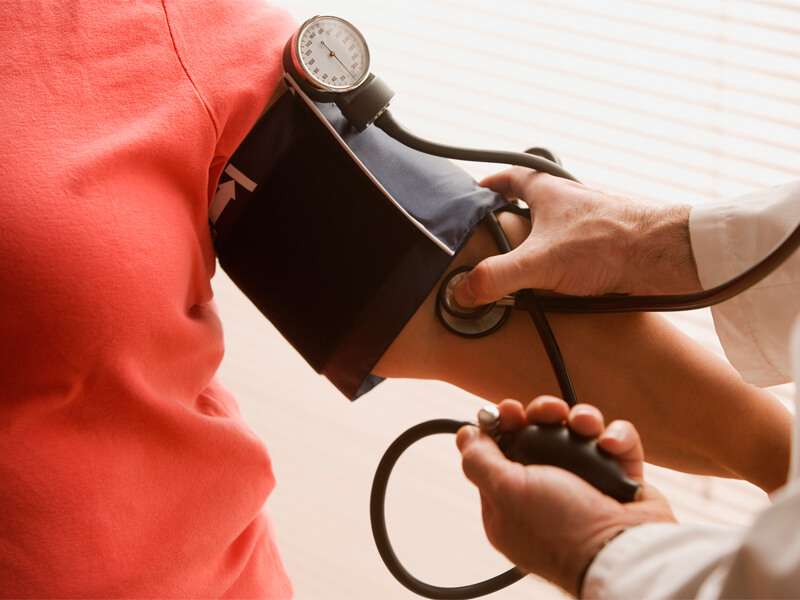
Chronic respiratory diseases encompass a variety of conditions affecting the lungs. Understanding these diseases is essential for effective management.
- Symptoms: Common symptoms include persistent coughs, wheezing, chest tightness, and difficulty breathing.
- Causes: Tobacco use, environmental pollutants, and genetic factors can lead to chronic respiratory issues such as asthma or COPD (chronic obstructive pulmonary disease).
- Diagnosis: Lung function tests along with imaging studies assist in identifying the specific condition.
- Treatment options:: Management may involve bronchodilators, corticosteroids, oxygen therapy, and pulmonary rehabilitation programs.
- What to expect:: Regular assessments by a healthcare provider can ensure optimal management of symptoms through tailored treatment plans.
A comprehensive approach is vital for improving lung health and managing daily activities without discomfort.
DIABETES MANAGEMENT

Diabetes is a chronic condition that affects how your body processes glucose. Effective management involves understanding the disease and making necessary lifestyle adjustments.
- Symptoms: Increased thirst, frequent urination, extreme fatigue, and blurred vision are common indicators.
- Causes: Type 1 diabetes is often genetic while Type 2 diabetes is linked to obesity, diet, and inactivity.
- Diagnosis: Blood tests measuring glucose levels help in diagnosing diabetes types.
- Treatment: Management includes dietary changes, regular exercise, glucose monitoring, and possibly insulin therapy or oral medications.
- What to expect:: Ongoing education about managing blood sugar levels is critical for long-term health maintenance.
A proactive approach to managing diabetes can greatly enhance one’s well-being and prevent complications.
HYPERTENSION MANAGEMENT

Hypertension, or high blood pressure, is a common condition that can lead to serious health issues if left untreated. Proper management of hypertension can significantly reduce the risks associated with heart disease and stroke.
- Symptoms: Often asymptomatic, but may include headaches, shortness of breath, and nosebleeds in severe cases.
- Causes: Risk factors include obesity, sedentary lifestyle, high salt intake, and genetics.
- Diagnosis: Blood pressure readings taken during routine check-ups are crucial for diagnosis.
- Treatment options: Lifestyle changes such as diet and exercise are often recommended alongside medications like ACE inhibitors or diuretics.
- What to expect: Regular monitoring and follow-up visits will help assess treatment efficacy and make necessary adjustments.
Managing hypertension effectively improves overall quality of life and helps prevent more serious complications.