
Dr Anita Bhandar

Dr Anita Bhandar

MD
Neurologist
4 253 ratings

About Me

Dr Anita Bhandar

MD
Neurologist
10 Years Experience

Biography

Dr. Anita Bhandar, MD, is a dedicated neurologist with over 10 years of experience in diagnosing and treating disorders of the nervous system. She is committed to providing compassionate care and personalized treatment plans that meet the unique needs of each patient. Her warm and approachable manner helps patients feel comfortable and confident throughout their medical journey. After earning her medical degree, Dr. Bhandar pursued specialized training in neurology, gaining extensive knowledge and skills in conditions affecting the brain, spinal cord, nerves, and muscles. She is well-versed in managing a wide range of neurological disorders, including migraines, epilepsy, stroke, multiple sclerosis, Parkinson’s disease, neuropathy, and other complex conditions. Her expertise allows her to accurately evaluate symptoms, order the necessary diagnostic tests, and develop effective treatment strategies. Dr. Bhandar believes that understanding a patient’s experience is key to successful treatment. She takes time to listen carefully, answer questions clearly, and explain diagnoses and treatment options in simple, easy-to-understand terms. Whether addressing a common headache or a chronic neurological condition, she strives to empower patients with the knowledge they need to actively participate in their care. In addition to clinical care, Dr. Bhandar stays up-to-date with the latest advances in neurology through continuous education and research. She employs evidence-based practices and utilizes modern technology to ensure her patients receive the most current and effective treatments available. Her approach combines medical expertise with empathy, aiming to improve both the health and overall quality of life of those she treats. Patients appreciate Dr. Bhandar’s thoroughness, patience, and genuine concern for their well-being. She understands that neurological conditions can be overwhelming, and she supports patients and their families with encouragement and guidance throughout every step. Whether managing acute neurological emergencies or providing ongoing care for chronic conditions, Dr. Bhandar remains a trusted partner in health. For individuals seeking a skilled neurologist who offers expert care in a comforting and supportive environment, Dr. Anita Bhandar is a compassionate choice. Her commitment to patient-centered care and her deep understanding of neurological health make her a valuable resource for anyone facing neurological challenges. With Dr. Bhandar, patients can expect thoughtful, attentive care designed to promote healing and enhance their overall health and wellness.

My Clinic

OPD Hours

Monday Morning 10:00 AM - 02:00 PM
Evening 06:00 PM - 09:00 PM
Tuesday Morning 10:00 AM - 02:00 PM
Evening 06:00 PM - 09:00 PM
Wednesday Morning 10:00 AM - 02:00 PM
Evening 06:00 PM - 09:00 PM
Thursday Morning 10:00 AM - 02:00 PM
Evening 06:00 PM - 09:00 PM
Friday Morning 10:00 AM - 02:00 PM
Evening 06:00 PM - 09:00 PM
Saturday Morning 10:00 AM - 02:00 PM
Evening 06:00 PM - 09:00 PM
Sunday Morning 10:00 AM - 02:00 PM
Evening 06:00 PM - 09:00 PM

Treatments

Specialised care and treatments offered

STROKE

Stroke

A stroke occurs when blood flow to an area of the brain is interrupted or reduced. Understanding its indications is vital for swift action as it directly impacts recovery outcomes.

  • The two main types are ischemic strokes caused by blockages in blood vessels, while hemorrhagic strokes result from bleeding in the brain.
{Caution signs, including sudden numbness or weakness on one side of the body need immediate attention.
  • Diagnostics usually encompass imaging modalities such as CT or MRI scans alongside physical assessments by healthcare professionals .
  • Management options depend on stroke type: ischemic strokes may require clot-busting medications while hemorrhagic strokes might necessitate surgical intervention .
  • Prompt recognition of stroke symptoms is critical since timely response can save lives , making public awareness paramount .

    MULTIPLE SCLEROSIS (MS)
    Multiple Sclerosis (MS)

    This autoimmune disorder affects the central nervous system by damaging myelin sheaths around neurons. Understanding MS is crucial for effective symptom management and overall well-being.

    • The exact causes remain unclear; however, genetic predisposition coupled with environmental factors seems influential in its development.
    • Symptoms vary widely among individuals but commonly include fatigue, difficulty walking, numbness or tingling sensations.
    • Diagnosing MS involves clinical evaluations along with MRI scans to visualize lesions on the brain or spinal cord.
    • Treatment often includes corticosteroids during flare-ups while disease-modifying therapies aim at slowing progression over time.
    • Patients will benefit from tailored rehabilitation programs addressing mobility challenges.< / li />

    Promoting awareness about MS enhances understanding among patients regarding their health journey.

    ALZHEIMER'S DISEASE
    Alzheimer's Disease

    This degenerative brain disease leads to memory loss, cognitive decline, and behavioral changes. Early detection can greatly assist in managing its progression.

    • The symptoms typically start subtly but escalate over time, affecting daily functioning significantly.
    • A comprehensive diagnostic assessment often involves cognitive tests along with neuroimaging techniques like MRI scans.
    • Treatment focuses on medications that can temporarily improve symptoms related to memory loss and cognitive function.
    • Cognitive therapies and lifestyle adjustments play important roles in enhancing quality of life during the disease’s course.

    Caring support systems are essential for both patients and families coping with Alzheimer’s onset impacts.

    EPILEPSY

    Epilepsy

    This chronic disorder is marked by abnormal brain activity leading to seizures. Recognizing the signs is crucial for timely intervention and care.

    • The causes can vary widely from genetic factors to brain injuries or infections.
    • Symptoms primarily involve patterns of seizures that differ in type and frequency across individuals.
    • A proper diagnosis often includes an electroencephalogram (EEG) alongside patient history analysis.
    • Treatment generally revolves around anti-epileptic drugs which help control seizures effectively for many patients.
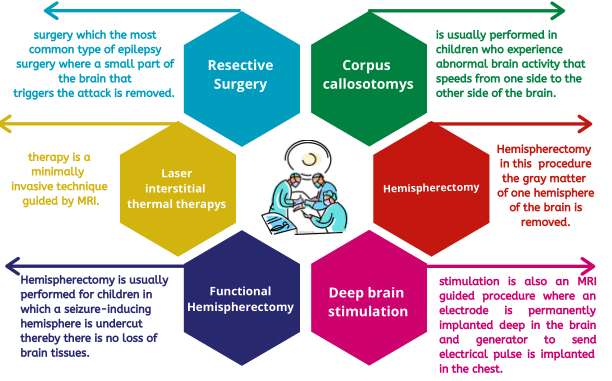
    • In some cases, surgery or dietary changes might be recommended as additional management strategies.

    An individualized treatment plan plays a key role in improving life quality for those living with epilepsy.

    PARKINSON'S DISEASE

    Parkinson's Disease

    This progressive neurological disorder primarily affects movement. It develops gradually and can significantly impact daily life.

    • The causes are not fully understood but involve the degeneration of nerve cells in the brain responsible for producing dopamine.
    • Common symptoms include tremors, stiffness, slowness of movement, and balance problems.
    • A diagnosis typically requires a comprehensive neurological evaluation based on clinical signs and patient history.
    • Treatment options may include medications like levodopa or dopamine agonists aimed at managing symptoms effectively.
    • Patients may also benefit from physical therapy to improve mobility and function.

    A proactive approach to treatment can help maintain independence for longer periods in affected individuals.

    MIGRAINE

    Migraine

    Migraine is a neurological condition characterized by recurrent headaches that can cause significant discomfort. This condition is often accompanied by a range of other symptoms, making it essential to understand its nature.

    • Symptoms often include throbbing pain, nausea, and sensitivity to light and sound.
    • Diagnosing migraines typically involves a thorough medical history and may include imaging tests to rule out other conditions.
    • Treatment can vary; common options include over-the-counter pain relievers, prescription medications, and lifestyle changes.
    • Management strategies may also involve identifying triggers, such as certain foods or stress factors.
    • Patients can expect ongoing support from healthcare providers to develop effective coping mechanisms.

    Understanding this condition is vital for effective management and improving quality of life.


    FAQs

    What are some early signs of dementia?
    Early indicators fluctuate ; common manifestations comprise memory lapses , confusion regarding familiar tasks etc . Observing these prompts prompt consultations towards addressing concerns promptly.
    How long does it take to diagnose multiple sclerosis?
    The diagnostic process varies; however , thorough evaluations combined with neuroimaging techniques ensure accurate identification over time frame manageable within appointments scheduled together .
    'Is epilepsy hereditary?'
    While some forms have genetic components , many cases arise without family history . Consultation with your neurologist will clarify personal risks through familial assessments drawn over decade-long expertise !
    What treatments exist for Parkinson's Disease?
    'Treatments often encompass medication that addresses symptoms alongside supportive therapies like occupational therapy tailored after assessment by a seasoned neurologist.'
    Are there preventative measures for strokes?
    Yes! Preventative strategies against strokes involve controlling risk factors such as hypertension or high cholesterol levels. Consult a neurologist like Dr. Bhandar who has dedication backed by ten years of experience in educating patients about these measures.
    How do I know if my memory issues are serious?
    Memory problems can have numerous causes ranging from aging to neurological disorders like Alzheimer's disease. An experienced neurologist will conduct assessments in Jaipur to determine any underlying conditions after reviewing your history.
    Can stress really lead to neurological issues?
    Indeed, stress can contribute significantly to various neurological conditions such as migraines or tension-type headaches. With ten years of experience focusing on these areas, your neurologist can help identify stress-related triggers.
    What should I do if I experience frequent headaches?
    If you frequently experience headaches, it's advisable to consult with a neurologist who specializes in headache disorders. In Jaipur, Dr. Anita Bhandar offers expertise gleaned from ten years of experience examining various headache types.