
Dr Anita Kothari
About Me
Dr Anita Kothari
MBBS
General Physician
10 Years Experience
Biography
My Clinic
OPD Hours
| Monday | Morning | 10:00 AM | - | 02:00 PM |
| Evening | 06:00 PM | - | 09:00 PM | |
| Tuesday | Morning | 10:00 AM | - | 02:00 PM |
| Evening | 06:00 PM | - | 09:00 PM | |
| Wednesday | Morning | 10:00 AM | - | 02:00 PM |
| Evening | 06:00 PM | - | 09:00 PM | |
| Thursday | Morning | 10:00 AM | - | 02:00 PM |
| Evening | 06:00 PM | - | 09:00 PM | |
| Friday | Morning | 10:00 AM | - | 02:00 PM |
| Evening | 06:00 PM | - | 09:00 PM | |
| Saturday | Morning | 10:00 AM | - | 02:00 PM |
| Evening | 06:00 PM | - | 09:00 PM | |
| Sunday | Morning | 10:00 AM | - | 02:00 PM |
| Evening | 06:00 PM | - | 09:00 PM |
Treatments
Specialised care and treatments offered
VACCINATION PROGRAMS
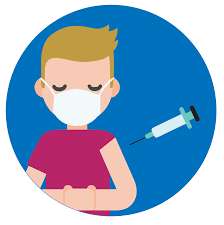
Vaccinations are essential in preventing infectious diseases. Staying up-to-date with vaccines protects both individual and community health by reducing the spread of illnesses like influenza and pneumonia!
- The need for vaccinations varies based on age group; children typically require certain vaccines during their first years while adults may need boosters later in life .
- Vaccines work by stimulating the immune system to recognize pathogens without causing the disease itself
- Regular consultations ensure vaccinations remain current according to new guidelines published by health authorities
An efficient vaccination strategy provides peace of mind while safeguarding against potentially serious ailments throughout one’s life
RESPIRATORY HEALTH ASSESSMENT

The respiratory system plays a key role in overall health. Assessing respiratory function helps detect issues such as asthma or chronic obstructive pulmonary disease (COPD) early on when they are more manageable.
- Sneezing, coughing, wheezing, or shortness of breath could indicate underlying respiratory problems that necessitate further investigation.
- Healthcare providers perform lung function tests like spirometry to evaluate breathing capacity and airflow limitations accurately.
ANNUAL HEALTH CHECK-UP
An annual health check-up is crucial for maintaining overall well-being. These comprehensive assessments help identify potential health issues before they become serious problems.
- The check-up typically includes evaluations of vital signs, weight measurements, and basic lab tests to screen for various conditions like hypertension or diabetes.
- Additional screenings may be performed based on age, gender, family history, or specific risk factors identified during the visit.
- A thorough consultation enables healthcare providers to discuss lifestyle choices that can enhance health outcomes over time.
This preventive approach not only fosters early detection of diseases but also promotes healthier living habits among individuals across all age groups.
CHOLESTEROL SCREENING
Monitoring cholesterol levels is vital for preventing cardiovascular diseases. High cholesterol often has no visible symptoms, making routine checks an important aspect of health care.
- Main contributors to high cholesterol include poor diet, lack of exercise, genetics, and certain medical conditions.
- Diagnosis involves a simple blood test called a lipid panel that measures different types of lipids in your bloodstream.
- If elevated levels are detected, treatment might entail dietary adjustments or medications such as statins to lower cholesterol levels effectively.
- Lifestyle modifications play a pivotal role; incorporating physical activity into daily routines can significantly improve lipid profiles.
Early detection through screening allows for timely intervention to reduce the risk of heart disease and other related conditions.
DIABETES SCREENING AND MANAGEMENT

Diabetes is a chronic disease that affects how your body processes glucose. Timely screening can lead to early detection and better management outcomes for patients.
- Symptoms may include increased thirst, frequent urination, extreme fatigue, and blurred vision.
- Doctors diagnose diabetes through fasting blood sugar tests or HbA1c tests that measure average blood sugar over 2-3 months.
- Treatment involves lifestyle changes such as diet modification and regular physical activity; medication may also be required for some patients.
- Ongoing education about the disease empowers individuals to make informed decisions about their care.
- Regular check-ups help monitor progress and prevent potential complications associated with diabetes.
A proactive approach ensures effective management of diabetes, improving quality of life for those diagnosed with this condition.
HYPERTENSION MANAGEMENT
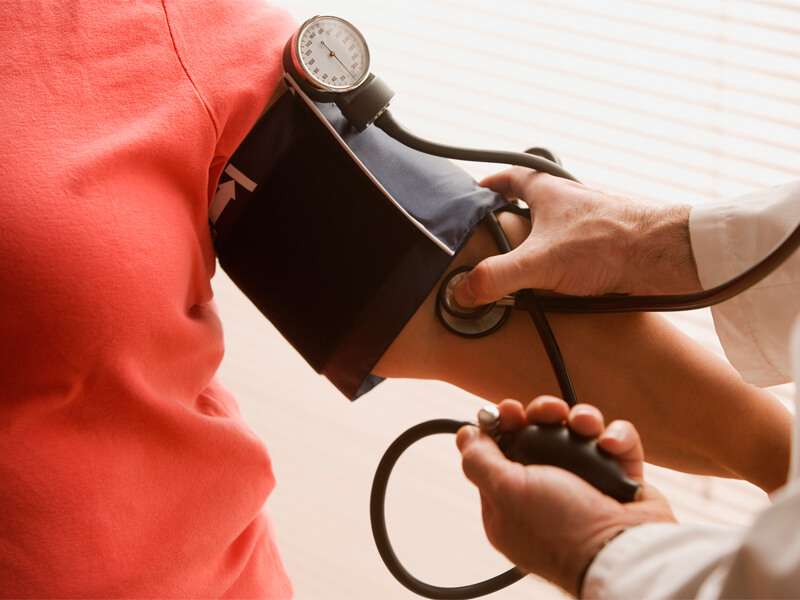
Hypertension, or high blood pressure, is a common condition that can lead to serious health complications if left untreated. It often develops over years and may not show symptoms, making regular screening essential.
- Common symptoms include headaches, dizziness, and nosebleeds; however, many individuals experience no symptoms at all.
- Diagnosis typically involves measuring blood pressure using a sphygmomanometer on multiple occasions.
- Treatment options range from lifestyle changes such as diet and exercise to medications like diuretics and ACE inhibitors.
- Managing stress through relaxation techniques can also help in controlling blood pressure levels.
- Regular follow-up appointments are crucial to monitor blood pressure and adjust treatment plans accordingly.
With proper management, individuals can lead healthy lives while effectively controlling their hypertension.