
Dr Anita Vijays
About Me
Dr Anita Vijays
MD
Dermatologist
Biography
My Clinic
OPD Hours
| Monday | Morning | 10:00 AM | - | 02:00 PM |
| Evening | 06:00 PM | - | 09:00 PM | |
| Tuesday | Morning | 10:00 AM | - | 02:00 PM |
| Evening | 06:00 PM | - | 09:00 PM | |
| Wednesday | Morning | 10:00 AM | - | 02:00 PM |
| Evening | 06:00 PM | - | 09:00 PM | |
| Thursday | Morning | 10:00 AM | - | 02:00 PM |
| Evening | 06:00 PM | - | 09:00 PM | |
| Friday | Morning | 10:00 AM | - | 02:00 PM |
| Evening | 06:00 PM | - | 09:00 PM | |
| Saturday | Morning | 10:00 AM | - | 02:00 PM |
| Evening | 06:00 PM | - | 09:00 PM | |
| Sunday | Morning | 10:00 AM | - | 02:00 PM |
| Evening | 06:00 PM | - | 09:00 PM |
Treatments
Specialised care and treatments offered
WARTS
Warts are benign growths caused by human papillomavirus (HPV) infection. They often appear on hands or feet but can develop anywhere on the body. Understanding warts helps individuals address them effectively without unnecessary concern since they're not usually harmful;
- The typical symptoms involve small raised bumps varying in texture depending upon their location & viral strain variety observed within them!
- While anyone might contract HPV leading towards wart formation; specific populations exhibit higher susceptibility due decreased immunity levels!
- Diagnosis relies heavily upon visual assessments performed followed by determination based off prior personal medical histories surrounding previous occurrences noted down throughout respective consultations held!
- Effective treatments available range widely from topical solutions capable eradicating visible manifestations residing above surface level right through freezing techniques better suited remove underlying roots entirely removing entire wart growths permanently!
- It's important noting resolutions achieved around weeks depending severity involved which ensures those investing efforts reap positive outcomes accordingly experienced confirmed returns following prescribed courses undertaken immediately thereafter seen finished too successfully completed enigmatic journey resolving each session scheduled efficiently done ahead given full reliability established beforehand setting clear objectives prospects outlined beforehand during initial engagements!
With patience fortifying self-assurance gathered together actively engaging peers known struggling elsewhere enduring similar situations faced currently brought forth into light allowing discussions foster empathetic community support shared openly everywhere approached candidly warmed hospitality rendered generous pursuit triumphantly!!
ROSACEA
Rosacea is a chronic inflammatory condition primarily affecting the facial skin. It often manifests as redness across the cheeks and nose area; in some cases, it may present with bumps resembling acne. Understanding rosacea helps patients manage its effects more effectively while minimizing triggers that could worsen symptoms over time!
- Main symptoms include persistent facial flushing along with visible blood vessels – these prominent features require careful observation by dermatologists during assessment processes!
- Poor immune function coupled with environmental factors such as UV radiation contribute significantly towards disease progression seen clinically among those affected most severely!
- A thorough diagnosis often requires clinical evaluations focused upon specific characteristics displayed uniquely according each patient's experience levels concerning this ailment community-wide!
- Management options generally involve topical agents aimed at reducing inflammation while systemic medications assist severely afflicted patients achieve stability overall!
- Comprehensive education about lifestyle adjustments plays an integral role enabling individuals control their manifestations successfully moving forward!
Empowering yourself through knowledge fosters self-confidence essential navigating daily routines alongside battling any flares that occur unexpectedly!
SKIN CANCER SCREENING
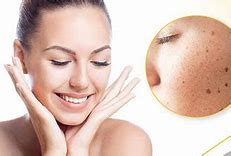
A regular skin cancer screening is critical in detecting malignant changes early. Skin cancer can take different forms; basal cell carcinoma (BCC), squamous cell carcinoma (SCC), and melanoma are among the most common types encountered by dermatologists. Early detection enhances treatment effectiveness significantly.
- The symmetric lesions, uneven borders, varying colors - these are signs prompting immediate evaluation for potential malignancy.
- Diagnosis involves detailed visual examination alongside dermatoscopy for suspicious moles or lesions found on the body during checks.
- Treatment depends on type; options may range from surgical excision to cryotherapy for non-invasive removal methods for certain cancers.
- Screens are recommended annually or as advised based on individual risk factors including family history or previous sun exposure incidents.
Catching changes early on can save lives; thus understanding risks is vital for proactive health care decisions regarding skin health maintenance!
PSORIASIS
Psoriasis is an autoimmune condition that results in rapid skin cell production leading to thickened patches on the skin's surface. These patches are often red and covered with silvery scales; they can be itchy or painful.
- The primary symptoms include raised red lesions covered with flaky white scales that usually appear on elbows, knees, and the scalp.
- The causes are linked to immune system dysfunction that accelerates skin cell growth.
- A dermatologist can diagnose psoriasis through observation and sometimes skin biopsies if needed for confirmation.
- Treatment options may consist of topical treatments, phototherapy, or systemic medications based on severity.
- Patients should be aware that psoriasis is a long-term condition requiring ongoing management for optimal quality of life.
A proactive approach allows individuals with psoriasis to live comfortably while managing their symptoms effectively.
ECZEMA
Eczema, also known as atopic dermatitis, is a chronic condition characterized by dry, itchy skin. It often begins in childhood but can occur at any age. The severity can vary significantly from person to person.
- Common symptoms include red patches of skin that may ooze or crust over during flare-ups.
- The causes are often linked to genetic factors combined with environmental triggers like allergens or irritants.
- A precise diagnosis is made through patient history and physical examination by a dermatologist.
- Treatment typically involves moisturizing creams and corticosteroids to reduce inflammation.
- With proper care and management strategies, individuals can experience significant relief from flare-ups over time.
Understanding eczema is important for effective management and prevention of future outbreaks.
ACNE
Acne is a common skin condition that affects individuals of all ages, particularly during adolescence. It occurs when hair follicles become clogged with oil and dead skin cells, leading to the formation of pimples, blackheads, and cysts.
- Symptoms include various types of lesions such as whiteheads, blackheads, and inflamed pustules.
- The primary causes involve hormonal fluctuations, excess oil production, and bacteria.
- Diagnosis typically involves a physical examination of the skin by a dermatologist.
- Treatment options may include topical medications, oral antibiotics, or even laser therapy to reduce inflammation and eliminate scars.
- Patients can expect gradual improvement over weeks to months with consistent treatment adherence.
If left untreated, acne can lead to scarring and emotional distress; therefore, timely intervention is crucial for effective management.