
Dr Anjali Bhosale
About Me
Dr Anjali Bhosale
General Physician
Biography
My Clinic
OPD Hours
| Tuesday | Morning | 10:00 AM | - | 02:00 PM |
| Evening | 06:00 PM | - | 09:00 PM | |
| Wednesday | Morning | 10:00 AM | - | 02:00 PM |
| Evening | 06:00 PM | - | 09:00 PM | |
| Thursday | Morning | 10:00 AM | - | 02:00 PM |
| Evening | 06:00 PM | - | 09:00 PM | |
| Friday | Morning | 10:00 AM | - | 02:00 PM |
| Evening | 06:00 PM | - | 09:00 PM | |
| Saturday | Morning | 10:00 AM | - | 02:00 PM |
| Evening | 06:00 PM | - | 09:00 PM | |
| Sunday | Morning | 10:00 AM | - | 02:00 PM |
| Evening | 06:00 PM | - | 09:00 PM | |
| Thursday | Morning | 10:00 AM | - | 02:00 PM |
| Evening | 06:00 PM | - | 09:00 PM |
Treatments
Specialised care and treatments offered
RESPIRATORY INFECTIONS ASSESSMENT
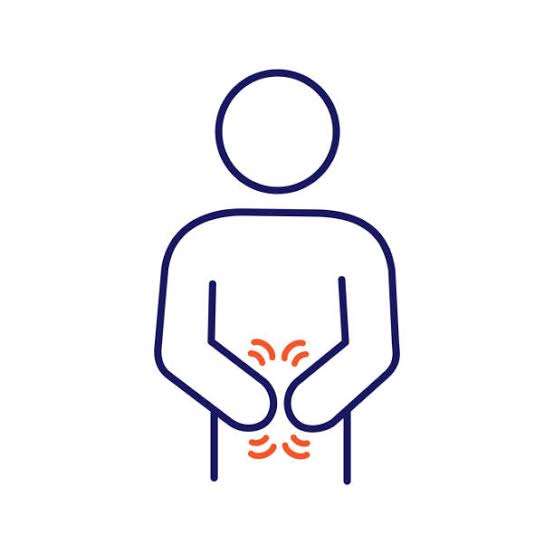
Respiratory infections encompass various ailments affecting the airways including colds & pneumonia! Timely assessment ensures appropriate interventions prevent worsening conditions too easily overlooked sometimes especially individuals prone coughing sneezing wheezing breathe difficulties occasionally experienced during infections arising counts those situations!.
CHOLESTEROL MANAGEMENT

Recognizing high cholesterol levels is crucial since it contributes to cardiovascular diseases while often showing no overt symptoms. Effective management begins with understanding cholesterol’s role in your body’s overall health context.
- You might not notice any signs until serious conditions arise; thus regular screening is encouraged particularly among individuals at higher risk due to family history or lifestyle factors!
ANEMIA INVESTIGATION
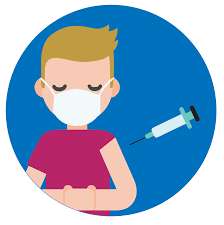
Anemia occurs when there is a deficiency in red blood cells or hemoglobin in the bloodstream. This condition can lead to fatigue, weakness, and other serious health issues if left untreated. Understanding anemia's causes aids in effective management strategies.
- Main symptoms comprise fatigue, pale skin, shortness of breath during exertion, and dizziness on standing quickly.
- A definitive diagnosis may involve complete blood counts (CBC) along with additional tests to determine underlying causes like iron deficiency or chronic disease factors.
- Treatment typically focuses on addressing the root cause—iron supplements for iron deficiency or appropriate therapies for underlying conditions causing anemia.
- A nutritious diet rich in iron alongside vitamin C can enhance absorption from foods consumed by patients with iron-deficiency anemia.
THYROID DISORDERS
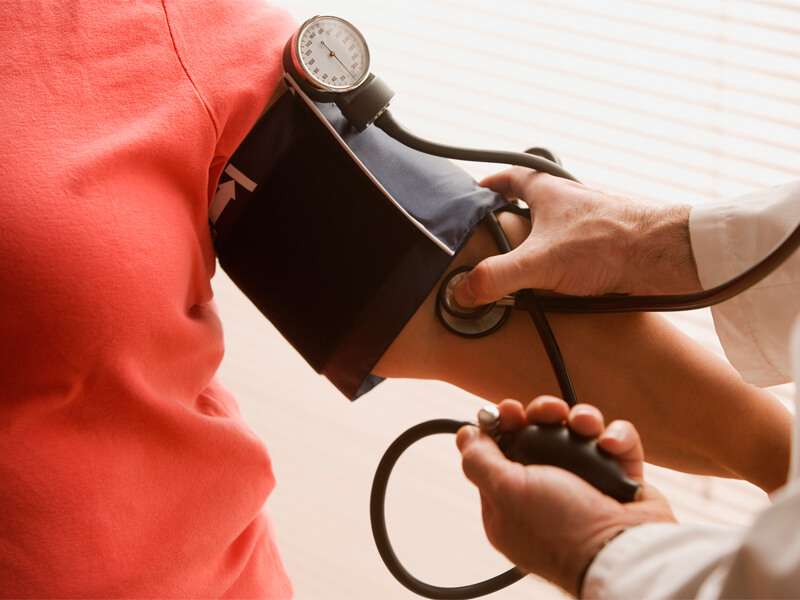
The thyroid gland plays a critical role in regulating metabolism through hormone production. Disorders such as hypothyroidism (underactive thyroid) or hyperthyroidism (overactive thyroid) can significantly impact overall health.
- Common signs include weight changes, fatigue, mood variations, and temperature sensitivity depending on the type of disorder.
- Diagnosis may involve blood tests measuring TSH (Thyroid Stimulating Hormone), T3, and T4 hormone levels for accurate assessment.
- Treatment generally consists of hormone replacement for hypothyroidism or antithyroid medications for hyperthyroidism.
- Regular follow-ups are essential to monitor hormone levels and adjust treatments according to individual responses.
- Understanding one’s condition can significantly improve quality of life by alleviating symptoms effectively through proper management strategies.
A thorough understanding of thyroid function is imperative for effective treatment plans that support wellbeing and health maintenance.
DIABETES MANAGEMENT

Diabetes is a metabolic disorder characterized by elevated blood sugar levels due to insufficient insulin production or ineffective use of insulin. It's crucial to understand the types of diabetes and their management strategies.
- The most common symptoms include increased thirst, frequent urination, fatigue, and blurred vision.
- A diagnosis is usually made through blood tests such as fasting glucose levels or HbA1c tests that measure average blood sugar over time.
HYPERTENSION
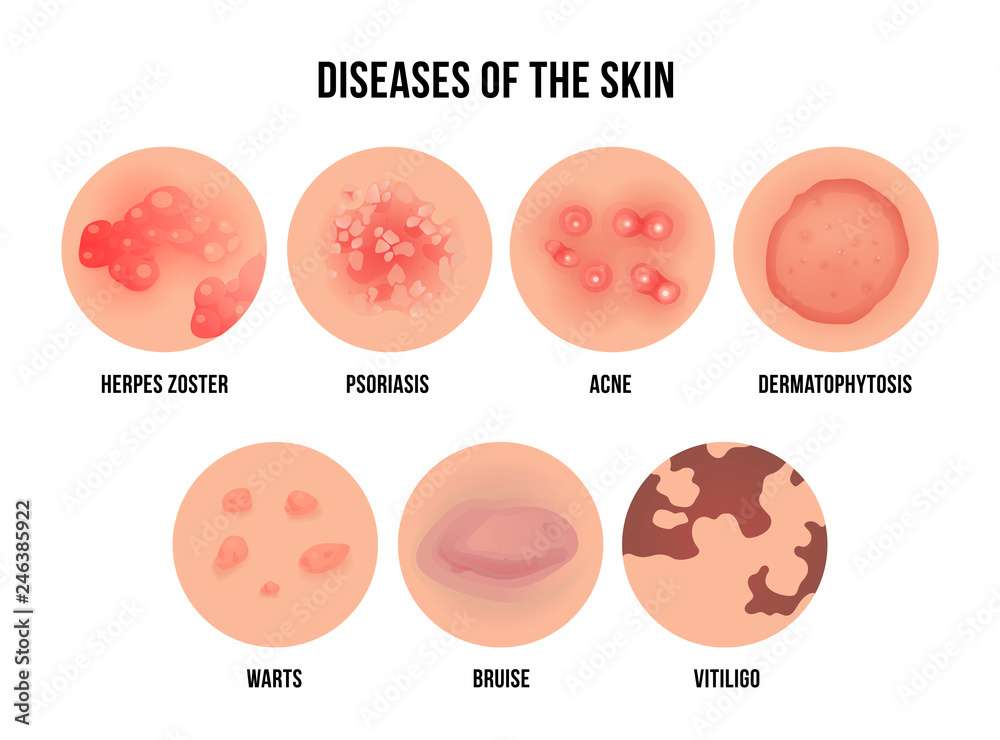
Hypertension, commonly known as high blood pressure, is a prevalent condition that often goes unnoticed until serious complications arise. It involves the increased pressure of blood against the walls of the arteries.
- Symptoms can be subtle, including headaches, shortness of breath, and nosebleeds.
- Diagnosis typically involves blood pressure measurements over multiple visits to confirm consistent elevation.
- Treatment may include lifestyle changes such as diet and exercise, along with medications like diuretics or ACE inhibitors.
- Regular monitoring is essential to manage blood pressure effectively and adjust treatments as necessary.
- Patients should understand that hypertension can lead to more serious health issues if left untreated, including heart disease and stroke.
Being proactive about managing hypertension through regular check-ups can significantly improve overall health outcomes.