
DR ANJALI JAIN,
About Me
DR ANJALI JAIN,
MBBS
Therapist
10 Years Experience
Biography
My Clinic
OPD Hours
| Monday | Morning | 10:00 AM | - | 02:00 PM |
| Evening | 06:00 PM | - | 09:00 PM | |
| Tuesday | Morning | 10:00 AM | - | 02:00 PM |
| Evening | 06:00 PM | - | 09:00 PM | |
| Wednesday | Morning | 10:00 AM | - | 02:00 PM |
| Evening | 06:00 PM | - | 09:00 PM | |
| Thursday | Morning | 10:00 AM | - | 02:00 PM |
| Evening | 06:00 PM | - | 09:00 PM | |
| Friday | Morning | 10:00 AM | - | 02:00 PM |
| Evening | 06:00 PM | - | 09:00 PM | |
| Saturday | Morning | 10:00 AM | - | 02:00 PM |
| Evening | 06:00 PM | - | 09:00 PM | |
| Sunday | Morning | 10:00 AM | - | 02:00 PM |
| Evening | 06:00 PM | - | 09:00 PM |
Treatments
Specialised care and treatments offered
INTERPERSONAL THERAPY (IPT)
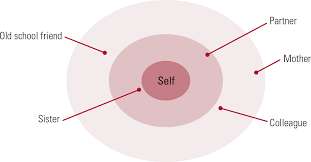
This time-sensitive psychotherapy centers around interpersonal relationships which often affect mood disorders. IPT helps patients improve problematic social functioning contributing to their psychological symptoms like depression or grief reaction following loss or role transitions.
- Clinical indications: Depressed mood linked explicitly with relational disputes , role changes such as job loss or bereavement are prime scenarios warranting IPT consideration.
- Diagnostic framework: Comprehensive evaluation highlights specific interpersonal problem areas needing therapeutic focus .
- Treatment specifics: Typically delivered over 12-16 weekly sessions focusing on communication enhancement , role negotiation skills , social support augmentation .
- Expected progress : Patients often see notable improvement within three months reflecting better relationship dynamics alongside mood stabilization .
By targeting how social relationships shape emotional state this therapy fosters durable coping capacities beneficial beyond immediate symptom control.
ACCEPTANCE AND COMMITMENT THERAPY (ACT)
An evidence-based intervention focused on promoting psychological flexibility by encouraging acceptance of difficult thoughts while committing to behavior changes aligned with personal values. ACT blends mindfulness strategies with behavior change techniques effectively addressing diverse conditions.
- Main concerns treated:Anxiety disorders, depression relapse prevention, chronic pain management among others benefiting from enhanced acceptance rather than avoidance behaviors are suited for ACT interventions.
PSYCHODYNAMIC PSYCHOTHERAPY
This form of therapy focuses on exploring unconscious processes as they manifest in a patient's present behavior. The goal is to increase self-awareness and understand the influence of past experiences on current mental states.
- Causal factors: Often indicated for chronic psychological issues rooted in unresolved conflicts from childhood or significant life events.
- Eliciting diagnosis: A detailed clinical interview uncovers personality patterns influencing emotions and interpersonal relationships.
- Treatment method: Through open-ended dialogue over extended periods ranging from months to years patients uncover repressed thoughts affecting their wellbeing.
- Therapeutic goals: Enhance insight into internal conflicts promoting healthier coping strategies and emotional growth.
The reflective nature of this therapy allows gradual transformation through increased understanding rather than symptom suppression alone.
EYE MOVEMENT DESENSITIZATION AND REPROCESSING (EMDR)

Eye Movement Desensitization and Reprocessing (EMDR) is a specialized psychotherapy intended to alleviate distress associated with traumatic memories. The technique utilizes bilateral stimulation such as eye movements to facilitate the processing of traumatic events.
- Symptoms/causes: Targets post-traumatic stress disorder (PTSD), anxiety stemming from trauma, and certain phobias.
- Assessment: Detailed history taking with identification of trauma triggers initiates the treatment preparation phase.
- Treatment process: Involves eight phases including history taking, preparation, desensitization using eye movements or taps, installation of positive cognitions, body scan assessments, closure, and reevaluation sessions.
- Efficacy: Studies show significant reduction in trauma-related symptoms after limited EMDR sessions compared to traditional therapies.
This method enhances natural healing processes by integrating traumatic memories adaptively into consciousness without overwhelming distress.
DIALECTICAL BEHAVIOR THERAPY (DBT)
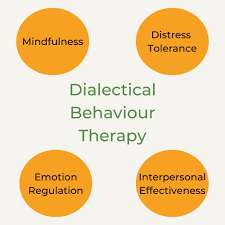
Dialectical Behavior Therapy (DBT) is designed to help individuals manage intense emotions and reduce self-destructive behaviors. It combines cognitive-behavioral techniques with concepts of mindfulness and acceptance.
- Symptoms/causes: Especially effective for borderline personality disorder, suicidal ideation, and emotional dysregulation.
- Diagnosis: Clinical evaluation identifies emotional instability patterns that interfere with daily functioning.
- Treatment protocol: DBT includes individual therapy, group skills training, phone coaching, and therapist consultation teams.
- Management goals: Emphasizes improving interpersonal effectiveness, distress tolerance, emotional regulation, and mindfulness skills.
- Patient experience: Structured format promotes gradual skill acquisition leading to enhanced emotional resilience over several months.
This therapy balances acceptance with change strategies for sustainable mental wellness improvements.
COGNITIVE BEHAVIORAL THERAPY (CBT)
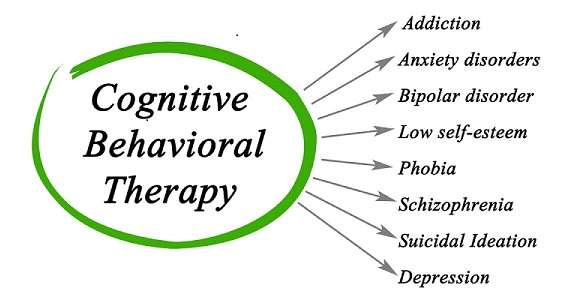
Cognitive Behavioral Therapy (CBT) is a structured, time-limited psychotherapeutic approach aimed at addressing dysfunctional emotions, behaviors, and cognitions through goal-oriented procedures. It is widely used to help patients recognize and change negative thought patterns.
- Symptoms/causes: Frequently used for depression, anxiety disorders, phobias, and PTSD where maladaptive thinking affects emotional health.
- Diagnosis: Assessment involves clinical interviews and standardized questionnaires to identify specific cognitive distortions.
- Treatment: CBT employs various techniques such as cognitive restructuring, exposure therapy, and behavioral experiments tailored to individual needs.
- Management: Therapy typically occurs over 6-20 sessions with active patient participation both during and between sessions.
- Expectations: Patients can expect gradual improvement in coping skills, mood regulation, and reduced symptom severity through consistent practice.
This approach empowers individuals by fostering self-awareness and practical strategies to overcome mental health challenges.