
Dr Anjali Palvia
About Me
Dr Anjali Palvia
Internal Medicine
Biography
My Clinic
OPD Hours
| Tuesday | Morning | 10:00 AM | - | 02:00 PM |
| Evening | 06:00 PM | - | 09:00 PM | |
| Wednesday | Morning | 10:00 AM | - | 02:00 PM |
| Evening | 06:00 PM | - | 09:00 PM | |
| Thursday | Morning | 10:00 AM | - | 02:00 PM |
| Evening | 06:00 PM | - | 09:00 PM | |
| Friday | Morning | 10:00 AM | - | 02:00 PM |
| Evening | 06:00 PM | - | 09:00 PM | |
| Saturday | Morning | 10:00 AM | - | 02:00 PM |
| Evening | 06:00 PM | - | 09:00 PM | |
| Sunday | Morning | 10:00 AM | - | 02:00 PM |
| Evening | 06:00 PM | - | 09:00 PM | |
| Thursday | Morning | 10:00 AM | - | 02:00 PM |
| Evening | 06:00 PM | - | 09:00 PM |
Treatments
Specialised care and treatments offered
DIABETES MELLITUS TYPE 2
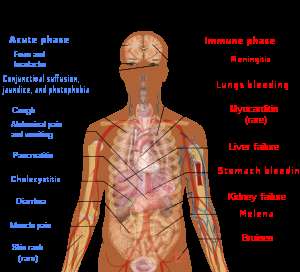
This chronic disease affects how your body processes glucose (sugar), leading potentially hazardous complications without continuous oversight!
- Symptoms : Increased thirst , frequent urination , blurred vision reflect possible elevated glucose levels needing attention immediately!< / li />< l i >< s t r o n g >( Causes ) : < s t r o n g >( Diagnosis ) : A simple fasting glucose test along with HbA1c monitoring helps determine diabetes status accurately... Regular check-ups pivotal here too !< | l i | < s t r o n g >( Treatment/Management ): Lifestyle changes involving balanced diets regular exercise plans alongside possible medication adherence crucially influence daily management success!| l i | < s t r o n g >( What To Expect ) : Although challenging adapting towards healthier routines favors long-term health perspectives improving overall quality significantly...| l i >| < p| Consequently being aware remains key combating diabetes impacting lives substantially ...taking charge fosters positive transformation entirely!.|
HEART FAILURE
This chronic condition indicates that the heart cannot pump sufficiently to meet the body's needs. It signifies an underlying issue requiring careful management!
- Symptoms : Common indications include shortness of breath during exertion, persistent coughing, fatigue, swelling in legs or abdomen.
- Causes : Heart failure may stem from coronary artery disease , hypertension , or previous heart attack history .
- Diagnosis : Physicians utilize echocardiograms , stress tests , alongside physical examinations for assessment .< / li />
- Treatment/Management : Management options encompass lifestyle modifications , medication therapies aimed at improving heart efficiency , dietary changes .< / li />
- What To Expect : Ongoing follow-up appointments will emphasize symptom control progression towards improved health outcomes .
User education regarding heart health plays a crucial role! Regular check-ups foster better living conditions even post diagnosis .
ACUTE KIDNEY INJURY (AKI)
This condition results from a sudden decrease in kidney function over a short period. It can occur due to various reasons including dehydration or medication effects!
- Symptoms: Patients may experience decreased urine output, swelling due to fluid retention, fatigue, and confusion.
- Causes < : Common causes range from severe infections to blockage of urine flow or use of certain medications.
- Diagnosis < : A combination of blood tests measuring creatinine levels and urinalysis help confirm AKI.
- Treatment/Management < : Treatment focuses on addressing the underlying cause while supporting kidney function; this could involve hydration or adjusting medications.
- What to Expect < : With appropriate management, many individuals recover fully; ongoing monitoring becomes necessary until stable.
Understanding AKI aids in prompt action. If experiencing related symptoms or have risk factors present , consult your healthcare professional promptly.
PULMONARY EMBOLISM
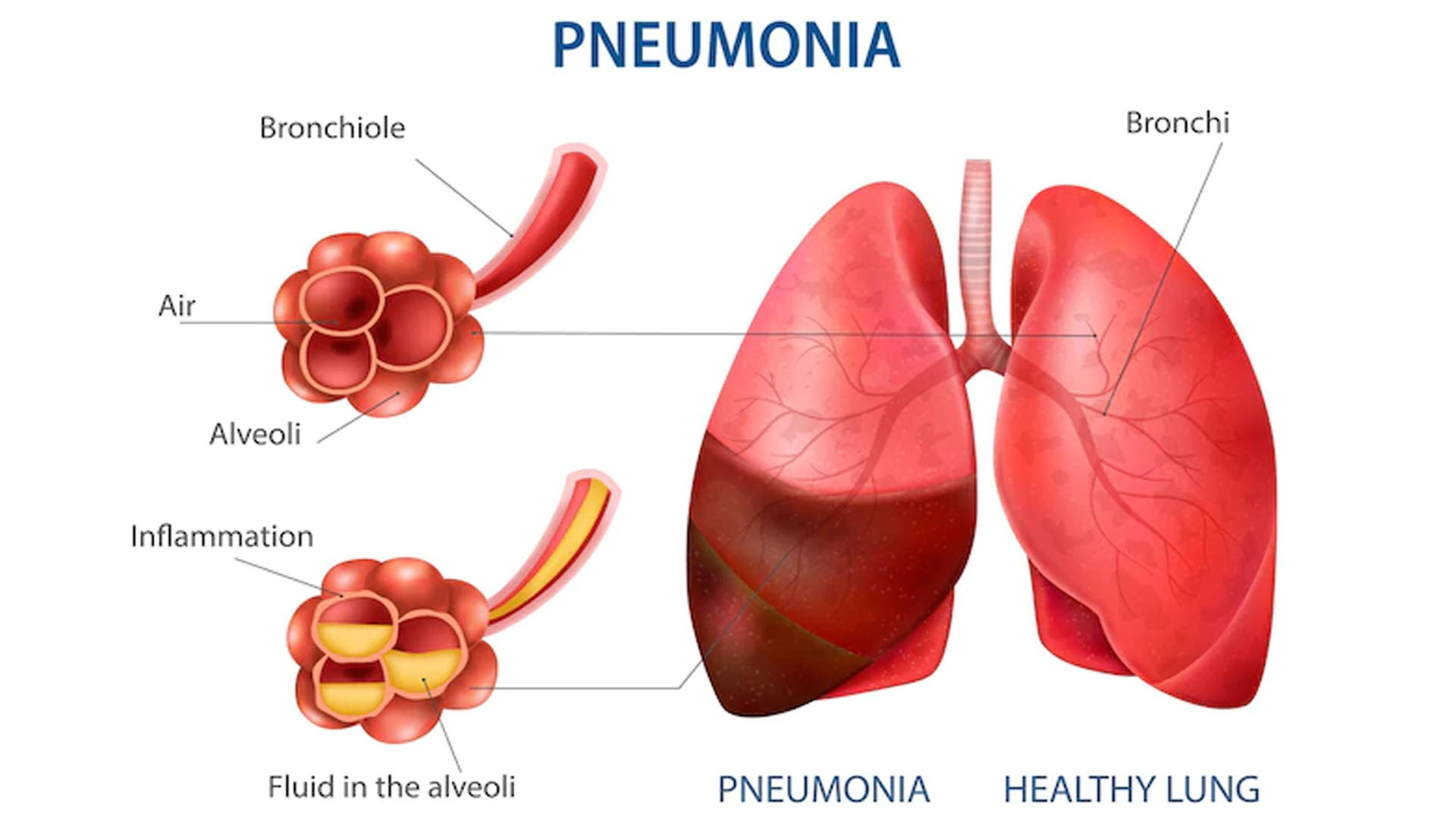
A pulmonary embolism occurs when one or more arteries in the lungs become blocked by a clot. This can lead to serious complications if not addressed swiftly!
- Symptoms: Typical symptoms include sudden shortness of breath, chest pain that worsens with deep breaths, and coughing up blood.
- Causes: Most commonly caused by blood clots originating from the legs (deep vein thrombosis).
- Diagnosis: Diagnosis may involve imaging studies like CT angiography or ventilation-perfusion scans alongside clinical evaluation.
- Treatment/Management: Treatment options include anticoagulant medications to dissolve clots and prevent new ones from forming; in severe cases, surgical interventions might be necessary.
Pulmonary embolism requires urgent evaluation and treatment. Awareness of risk factors can aid in prevention!
SEPTIC SHOCK
This life-threatening condition arises from an infection that leads to dangerously low blood pressure and organ failure. Early recognition and treatment are essential for improving outcomes.
- Symptoms: Signs may include confusion, reduced urine output, fever, or chills.
- Causes: Common triggers include bacterial infections from skin wounds or abdominal issues.
- Diagnosis: Clinicians utilize blood cultures and other laboratory tests to confirm the presence of infection and assess organ function.
- Treatment/Management: Immediate treatment includes intravenous fluids and antibiotics; vasopressors may be required if blood pressure remains low.
- What to Expect: Timely intervention can lead to recovery; however, it may take time for full healing depending on severity.
If you notice symptoms indicative of shock or severe infection, do not delay seeking medical help.
ACUTE RESPIRATORY DISTRESS SYNDROME (ARDS)
Acute Respiratory Distress Syndrome is a serious condition that arises from various causes, leading to severe inflammation in the lungs. Patients may experience difficulty in breathing, and prompt attention is critical for effective management.
- Symptoms: Common signs include rapid breathing, low oxygen levels, and bluish skin coloration.
- Causes: ARDS can result from pneumonia, sepsis, or trauma among other factors.
- Diagnosis: Doctors typically diagnose ARDS through imaging tests such as chest X-rays or CT scans along with blood tests to assess oxygen levels.
- Treatment/Management: Management often involves mechanical ventilation to support breathing and addressing the underlying cause of the syndrome.
- What to Expect: Recovery can vary; many patients require monitoring in an intensive care setting.
Understanding ARDS is vital for early intervention. If you suspect any symptoms related to respiratory distress, seek immediate medical care.