
Dr Anjana Gala
About Me
Dr Anjana Gala
Dermatologist
Biography
My Clinic
OPD Hours
| Tuesday | Morning | 10:00 AM | - | 02:00 PM |
| Evening | 06:00 PM | - | 09:00 PM | |
| Wednesday | Morning | 10:00 AM | - | 02:00 PM |
| Evening | 06:00 PM | - | 09:00 PM | |
| Thursday | Morning | 10:00 AM | - | 02:00 PM |
| Evening | 06:00 PM | - | 09:00 PM | |
| Friday | Morning | 10:00 AM | - | 02:00 PM |
| Evening | 06:00 PM | - | 09:00 PM | |
| Saturday | Morning | 10:00 AM | - | 02:00 PM |
| Evening | 06:00 PM | - | 09:00 PM | |
| Sunday | Morning | 10:00 AM | - | 02:00 PM |
| Evening | 06:00 PM | - | 09:00 PM | |
| Thursday | Morning | 10:00 AM | - | 02:00 PM |
| Evening | 06:00 PM | - | 09:00 PM |
Treatments
Specialised care and treatments offered
SKIN CANCER SCREENING
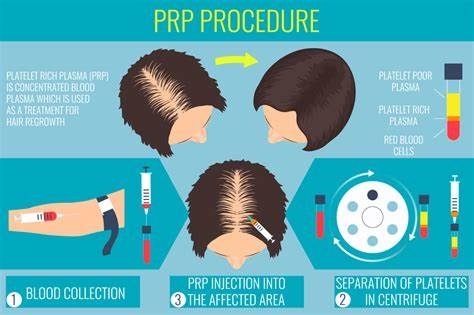
A comprehensive evaluation by a dermatologist focuses on detecting early signs of various kinds of skin cancer including melanoma. Regular screenings are vital for prevention especially in high-risk populations such as those with fair complexions or family histories of cancer..}
SEBORRHEIC DERMATITIS
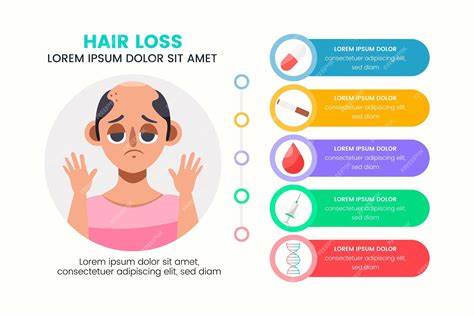
This persistent scalp condition causes scaly patches that can be greasy in appearance. While it primarily affects the scalp (where it’s often termed dandruff), it may also appear on other oily regions including the face and chest.
MELASMA
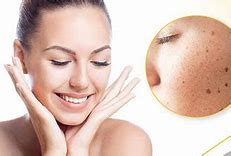
This dermatological condition presents as brown patches on sun-exposed areas of skin. It’s particularly prevalent among women during pregnancy or those taking contraceptive pills due to hormonal influences.
- Main Characteristics: The patches typically appear symmetrically on the face—particularly on the cheeks—and are often exacerbated by sun exposure.
- Causative Agents: Hormonal changes triggered by pregnancy or birth control methods are significant contributors alongside UV radiation exposure from sunlight.
PSORIASIS
This chronic autoimmune skin condition leads to the rapid buildup of skin cells resulting in scaling on the surface. Psoriasis commonly appears on elbows, knees, scalp, and lower back.
- Symptoms: Manifestations often include red patches with thick silvery scales that itch or burn; nails can become pitted or discolored too.
- Causative Factors: Genetics play a role but triggers may include stress, infections like strep throat, or certain medications that provoke flare-ups.
- Diagnosis Process: Diagnosis is made through physical examination; sometimes a biopsy is performed if the diagnosis is uncertain.
Treatment options encompass topical therapies to reduce inflammation as well as phototherapy techniques which involve exposing affected areas to ultraviolet light under controlled conditions. Lifestyle adjustments are integral for long-term management of psoriasis symptoms.
ECZEMA (ATOPIC DERMATITIS)
Eczema is a chronic inflammatory skin condition characterized by itchy and inflamed patches of skin. It often begins in childhood but can persist into adulthood or manifest later in life.
- Symptoms: Patients usually experience dry skin, intense itching, redness, and sometimes fluid-filled blisters that may crust over.
- Triggers: Common triggers include allergens like pollen or pet dander, irritants like soaps or fragrances, and environmental factors such as temperature changes.
- Diagnosis: A dermatologist assesses the affected areas visually and may review personal or family history of allergies.
- Treatment Approaches: Treatment may involve topical steroids for inflammation control along with moisturizers to enhance hydration. In severe cases, immunomodulatory therapies might be recommended.
A proactive approach to managing eczema can lead to significant improvement in quality of life for those affected.
ACNE VULGARIS
Acne is a common skin condition that affects individuals of all ages, particularly during adolescence. It occurs when hair follicles become clogged with oil and dead skin cells, leading to the formation of pimples, cysts, and scars.
- Symptoms: Common signs include blackheads, whiteheads, pustules, and painful nodules; these can appear on the face, back, and shoulders.
- Causes: Factors contributing to acne include hormonal changes, excess oil production, certain medications, and bacteria.
- Diagnosis: Dermatologists typically diagnose acne by examining the skin; in some cases, they may inquire about medical history or perform tests.
- Treatment Options: Options may include topical treatments like retinoids or benzoyl peroxide, oral antibiotics for more severe cases, and lifestyle modifications such as dietary changes.
- Management: Consistent skincare routines and avoiding picking at lesions can significantly improve outcomes.
With appropriate care and patience, most individuals can achieve clearer skin and a boost in confidence.