
Dr Anjaneya P Agashe
About Me
Dr Anjaneya P Agashe
Ophthalmologist
Biography
My Clinic
OPD Hours
| Tuesday | Morning | 10:00 AM | - | 02:00 PM |
| Evening | 06:00 PM | - | 09:00 PM | |
| Wednesday | Morning | 10:00 AM | - | 02:00 PM |
| Evening | 06:00 PM | - | 09:00 PM | |
| Thursday | Morning | 10:00 AM | - | 02:00 PM |
| Evening | 06:00 PM | - | 09:00 PM | |
| Friday | Morning | 10:00 AM | - | 02:00 PM |
| Evening | 06:00 PM | - | 09:00 PM | |
| Saturday | Morning | 10:00 AM | - | 02:00 PM |
| Evening | 06:00 PM | - | 09:00 PM | |
| Sunday | Morning | 10:00 AM | - | 02:00 PM |
| Evening | 06:00 PM | - | 09:00 PM | |
| Thursday | Morning | 10:00 AM | - | 02:00 PM |
| Evening | 06:00 PM | - | 09:00 PM |
Treatments
Specialised care and treatments offered
DIABETIC RETINOPATHY MANAGEMENT
This complication related to diabetes affects blood vessels in the retina leading potentially towards blindness if not managed properly over time. Regular screening plays a vital role in catching it early before severe damage occurs.
- Signs might include sudden changes in eyesight or dark spots appearing across your visual field while diabetics should remain particularly vigilant regarding annual checks.
- Diagnosis primarily relies upon comprehensive dilated fundus examinations along with optical coherence tomography for detailed imaging & analysis purposes surrounding retinal health status .
- Management approaches encompass lifestyle modifications coupled alongside medical treatments such as injections meant at reducing abnormal vascular growth within affected areas themselves .
By staying proactive actively managing diabetes you've taken steps necessary protecting eye health ensuring potential deterrence against resultant diabetic retinopathy impacting day-to-day quality living .
OCULOPLASTIC SURGERY
This specialized area focuses on correcting eyelid deformities and other orbital issues affecting appearance and function. Oculoplastic surgeries may address both cosmetic concerns as well as functional impairments caused by conditions like ptosis or entropion.
- If you notice symptoms such as drooping eyelids that obstruct vision or irritation due to misaligned lashes, surgery may be recommended.
- A thorough evaluation by an ophthalmologist will determine suitable procedures based on individual anatomy and desired outcomes.
- Surgical options can involve lifting sagging eyelids, correcting tear duct obstructions, or even reconstructing orbital fractures if necessary.
- Recovery time varies; however most patients report significant improvements within weeks after surgery.
- With oculoplastic interventions being skillfully performed by qualified specialists results can enhance both aesthetic aspects as well as functional capabilities greatly enhancing patient comfort overall.
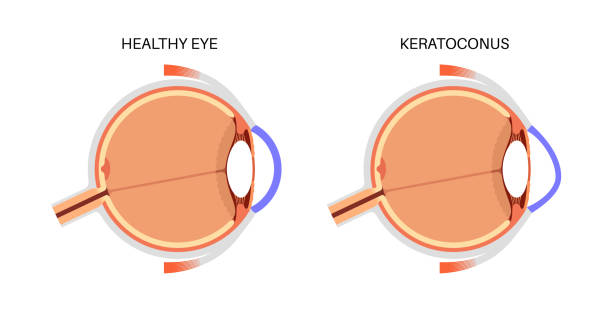
CORNEAL TRANSPLANTATION
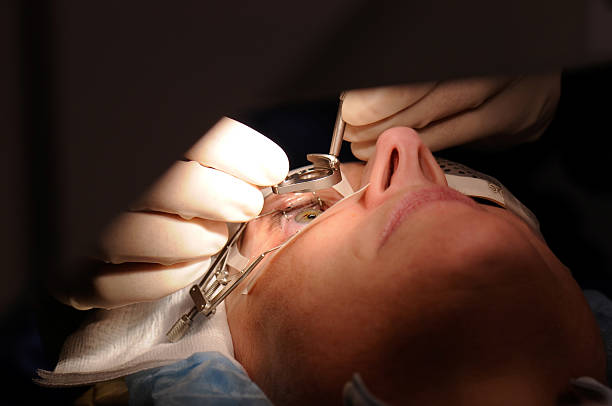
This surgical procedure replaces damaged corneas with healthy donor corneal tissue. Corneal transplants are typically recommended for individuals suffering from severe corneal disease or injury affecting their vision quality significantly.
RETINAL DETACHMENT REPAIR
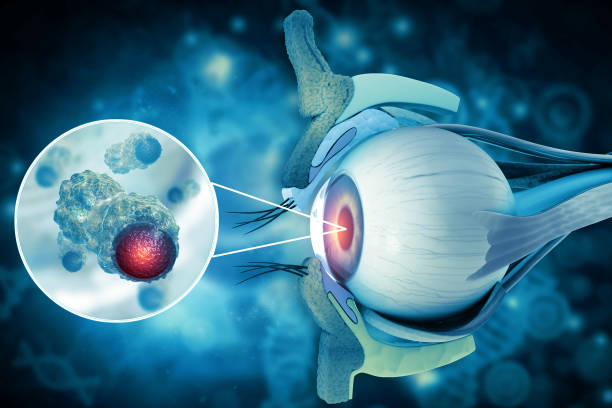
A retinal detachment occurs when the retina separates from its underlying layer of support tissue. This serious condition requires immediate attention as it can lead to permanent vision loss if not treated swiftly.
- You might experience sudden flashes of light, floaters, or a shadow over your field of vision as early warning signs.
- The condition is diagnosed during an exam that includes direct observation of the retina using specialized instruments by an ophthalmologist.
- Surgical repair methods include pneumatic retinopexy or scleral buckling based on the specific type and severity of detachment.
- Post-operative care is crucial; follow-up appointments will help ensure successful recovery and monitor for any complications.
Timely intervention for retinal detachment can be life-changing, restoring lost sight effectively in many cases.
GLAUCOMA TREATMENT
This group of eye diseases can lead to irreversible vision loss by damaging the optic nerve. The increased pressure in the eye is often a key factor in this condition.
- Common symptoms include loss of peripheral vision and blurred vision, though there may be no symptoms in the early stages.
- A diagnosis typically involves eye exams including tonometry to measure intraocular pressure and visual field tests to assess any vision loss.
- Treatment strategies might consist of prescribed medications, laser therapy, or surgical procedures aimed at lowering eye pressure.
- Regular follow-ups are essential to monitor eye health and ensure effective management of the disease.
Early detection and treatment of glaucoma can help prevent further damage and preserve your sight for years to come.
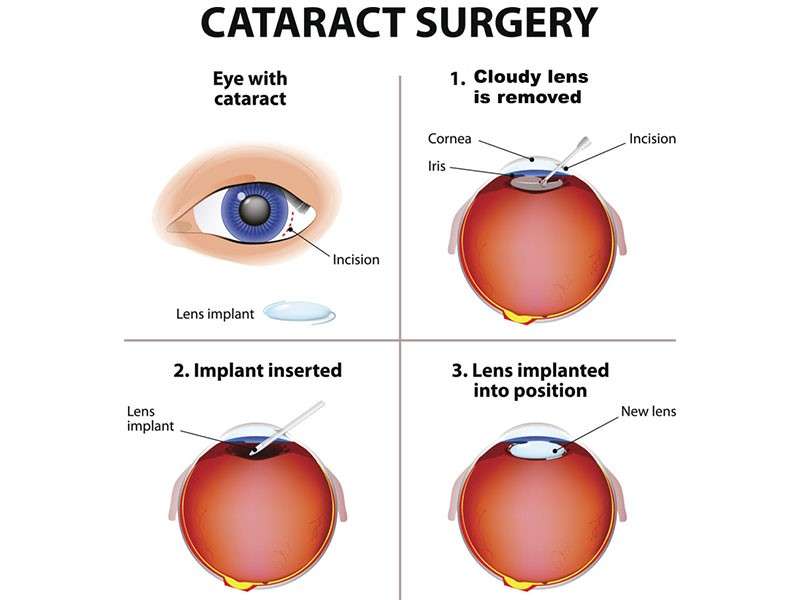
CATARACT SURGERY
Cataracts are a common eye condition that occurs when the lens of the eye becomes cloudy, impairing vision. This cloudiness can affect your ability to see clearly and may lead to increased difficulty with activities such as reading or driving.
- Symptoms often include blurry vision, difficulty seeing at night, and sensitivity to light.
- Cataracts are usually diagnosed through a comprehensive eye examination by an ophthalmologist.
- Treatment typically involves surgical removal of the cloudy lens, which is replaced with a clear artificial lens.
- Management options may include regular monitoring if cataracts are not significantly affecting vision.
- Post-surgery, patients can generally expect improved vision, although it may take some time for complete recovery.
Addressing cataracts through surgery is a safe and effective way to restore clear vision and improve quality of life.