
Dr Anjani Kumar
About Me
Dr Anjani Kumar
MD
Cardiologist
10 Years Experience
Biography
My Clinic
OPD Hours
| Monday | Morning | 10:00 AM | - | 02:00 PM |
| Evening | 06:00 PM | - | 09:00 PM | |
| Tuesday | Morning | 10:00 AM | - | 02:00 PM |
| Evening | 06:00 PM | - | 09:00 PM | |
| Wednesday | Morning | 10:00 AM | - | 02:00 PM |
| Evening | 06:00 PM | - | 09:00 PM | |
| Thursday | Morning | 10:00 AM | - | 02:00 PM |
| Evening | 06:00 PM | - | 09:00 PM | |
| Friday | Morning | 10:00 AM | - | 02:00 PM |
| Evening | 06:00 PM | - | 09:00 PM | |
| Saturday | Morning | 10:00 AM | - | 02:00 PM |
| Evening | 06:00 PM | - | 09:00 PM | |
| Sunday | Morning | 10:00 AM | - | 02:00 PM |
| Evening | 06:00 PM | - | 09:00 PM |
Treatments
Specialised care and treatments offered
ARRHYTHMIA EVALUATION

An arrhythmia evaluation assesses irregularities in the heartbeat which can affect blood circulation throughout the body. Understanding these disturbances is critical for preventing adverse health consequences like fainting spells or even sudden cardiac arrest in severe cases!
- .• Suspected Causes: Various factors including stressors & existing comorbidities heavily influence how rhythm disorders develop leading us down this diagnostic pathway!• Main Identifying Signs: Palpitations coupled with dizziness signify possible concerns unmasking needful attention promptly guiding appropriate follow-through steps ahead!• Main Diagnostic Approaches: Healthcare professionals leverage Holter monitors capturing electrical impulses revealing patterns paving way towards rightful interventions based upon findings observed thereon!• Your Management Plan: Adapting both medicinal strategies alongside interventional therapies caters best according personalized evaluations ultimately assisting discerning suitable routes maximizing wellbeing later!
CARDIAC REHABILITATION PROGRAM
A cardiac rehabilitation program is designed for individuals recovering from heart surgery or events like myocardial infarction. It aims to enhance recovery while promoting overall cardiovascular fitness through structured care plans tailored to individual needs.
- Benefits of Rehabilitation: Programs focus on improving physical endurance while managing emotional well-being post-cardiac event through education about lifestyle changes that lower risks associated with future episodes.
- Treatment Modalities: These usually encompass exercise regimens combined with nutritional counseling aimed at fostering healthy lifestyle choices long-term
- Outcomes You Can Expect: Participants frequently report improved quality-of-life scores with reduced chances for recurrence marking profound positive impacts across various parameters
This comprehensive approach ensures better adherence toward essential change fostering stronger hearts moving forward post-diagnosis enhancing life expectancy overall when embraced diligently by patients involved throughout their journeys together!
ELECTROCARDIOGRAM (ECG) TESTING
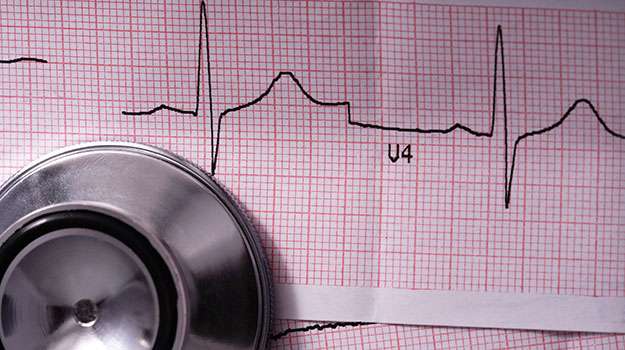
An electrocardiogram (ECG) test records the electrical signals of the heart. It’s a vital tool for diagnosing various cardiac conditions by providing insights into heart rhythm abnormalities or structural issues.
- Purpose of ECG: Helps identify issues such as arrhythmias, previous myocardial infarctions (heart attacks), and electrolyte imbalances affecting heartbeat patterns.
- Symptoms: Patients may report palpitations or unexplained fatigue but often do not exhibit symptoms prompting testing on a routine basis for monitoring cardiovascular health.
- Diagnosis: The healthcare provider will attach electrodes to the skin at specific body locations; results are interpreted immediately by trained professionals.
- Treatment/Management Options: Based on findings from ECG tests further investigations like echocardiograms or stress tests may be recommended alongside lifestyle changes or medications if necessary.
Regular ECGs offer valuable insights into your heart's functionality ensuring early detection of potential problems leading up to timely interventions.
HEART DISEASE RISK ASSESSMENT
A comprehensive heart disease risk assessment helps identify potential risk factors early. This proactive measure plays a crucial role in preventing serious cardiac events in at-risk individuals.
- Causative Factors: Common contributors include family history, age, obesity, diabetes, and unhealthy lifestyles encompassing poor dietary habits and inactivity.
- Symptoms: While there are often no obvious signs in early stages, individuals might experience fatigue or chest discomfort during exertion as conditions progress.
- Diagnosis: Healthcare providers use various methods including blood tests for cholesterol/glucose levels and an evaluation of personal/family medical history during assessments.
- Treatment Strategies: Recommendations may vary from lifestyle changes like exercise routines to more intensive interventions involving medication or surgeries depending on the assessed risk level.
An effective assessment can empower patients with knowledge about their heart health status promoting timely preventive action against potential diseases.
CHOLESTEROL SCREENING
Monitoring cholesterol levels is vital for preventing heart disease. High cholesterol can lead to atherosclerosis, which substantially increases the risk of heart attacks and strokes.
- Risk Factors: Poor diet, lack of physical activity, smoking, and genetics are significant contributors to high cholesterol levels.
- Symptoms: High cholesterol itself typically has no symptoms; hence routine screening is important for early detection.
- Diagnosis: A lipid panel test measures levels of LDL (bad cholesterol), HDL (good cholesterol), and triglycerides in your blood.
- Treatment/Management: Options include dietary modifications aimed at lowering saturated fats and increasing fiber intake. Statins or other medications may be prescribed depending on individual risk factors.
- What to Expect: Regular screenings help track cholesterol levels and make timely adjustments to treatment plans as necessary for better heart health outcomes.
A proactive approach towards management can dramatically improve your cardiovascular profile over time.
HYPERTENSION MANAGEMENT
Hypertension, commonly known as high blood pressure, is a prevalent condition that can lead to serious health complications if left unmanaged. This condition often develops over many years and typically has no noticeable symptoms.
- Causes: Factors such as genetics, obesity, excessive salt intake, and a sedentary lifestyle can contribute to elevated blood pressure.
- Symptoms: Most individuals with hypertension may not experience symptoms; however, severe cases can result in headaches, shortness of breath, or nosebleeds.
- Diagnosis: Regular monitoring of blood pressure levels is essential for diagnosis. A healthcare professional may also evaluate your medical history and conduct physical exams.
- Treatment Options: Management may include lifestyle changes like diet modification and exercise, along with medications such as diuretics or ACE inhibitors.
- What to Expect: Adhering to treatment plans can stabilize blood pressure levels and significantly reduce the risk of heart disease or stroke over time.
Effective management of hypertension through regular check-ups is crucial for maintaining overall cardiovascular health.