
Dr Anju B Mathur
About Me
Dr Anju B Mathur
MS
Urologists
Biography
My Clinic
OPD Hours
| Monday | Morning | 10:00 AM | - | 02:00 PM |
| Evening | 06:00 PM | - | 09:00 PM | |
| Tuesday | Morning | 10:00 AM | - | 02:00 PM |
| Evening | 06:00 PM | - | 09:00 PM | |
| Wednesday | Morning | 10:00 AM | - | 02:00 PM |
| Evening | 06:00 PM | - | 09:00 PM | |
| Thursday | Morning | 10:00 AM | - | 02:00 PM |
| Evening | 06:00 PM | - | 09:00 PM | |
| Friday | Morning | 10:00 AM | - | 02:00 PM |
| Evening | 06:00 PM | - | 09:00 PM | |
| Saturday | Morning | 10:00 AM | - | 02:00 PM |
| Evening | 06:00 PM | - | 09:00 PM | |
| Sunday | Morning | 10:00 AM | - | 02:00 PM |
| Evening | 06:00 PM | - | 09:00 PM |
Treatments
Specialised care and treatments offered
URINARY TRACT INFECTIONS (UTIS)
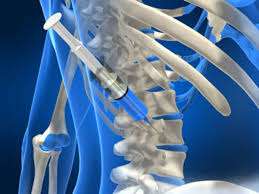
A Urinary Tract Infection occurs when bacteria enter the urinary system causing infections usually affecting the bladder but sometimes extending upwards towards kidneys leading potentially serious complications if untreated particular demographic groups such female population experience them frequently than males thanks anatomical differences .
- Symptoms: Common signs encompass burning sensations during urination urgency needing go bathroom frequently cloudy foul-smelling urine even lower abdominal discomfort .
- Diagnosis: Appropriate evaluation includes laboratory tests analyzing sample urine culture identifying responsible pathogen while assessing potential defenses immunity levels central addressing risk factors contributing infections will aid prevention measures .
- Methods Relieving Symptoms: Typical treatment entails antibiotics prescribed according specific bacterial strain duration needed & maintaining hydration levels promoting flushing out pathogens body speeds recovery process .
Essential consulting healthcare practitioner immediately upon experiencing symptoms enables timely intervention reduces risk further complications possible long-term impacts overall health welfare individuals affected by UTIs shall not hesitate seek assistance !
ERECTILE DYSFUNCTION

Erectile dysfunction (ED) is characterized by the inability to achieve or maintain an erection sufficient for satisfactory sexual performance. It’s a common issue affecting men worldwide that often has underlying psychological or physiological causes requiring comprehensive understanding and treatment approaches.
- Causative Factors: ED can arise from conditions such as diabetes mellitus, cardiovascular diseases hypertension stress anxieties excessive alcohol use among other lifestyle factors impacting blood flow nerves involved in erections
PROSTATITIS

Prostatitis is an inflammation of the prostate gland that can cause discomfort and urinary problems. This condition affects men primarily between ages 30-50 but can occur at any age due to various reasons such as infection or other inflammatory responses.
- Types: There are several types of prostatitis including acute bacterial prostatitis which manifests suddenly with severe symptoms and chronic prostatitis which persists over time often without clear cause.
- Symptoms: Symptoms may involve pelvic pain, painful urination (dysuria), difficulty urinating, fever chills with acute cases accompanied by swelling
- Your Doctor's Approach: Diagnosis might involve history taking along with tests such as urinalysis; sometimes imaging tests are necessary for thorough evaluation.
Treatment will depend on whether it’s bacterial or non-bacterial prostatitis and may involve antibiotics along with supportive care measures aimed at alleviating discomfort. Early consultation helps manage this condition effectively!
KIDNEY STONES

Kidney stones are hard mineral deposits that form in the kidneys and can cause intense pain when they pass through the urinary tract. The formation of these stones often results from high concentrations of certain substances in urine due to dietary factors or medical conditions.
- Symptoms: Typical symptoms include severe pain in the back or side, blood in urine (hematuria), nausea, vomiting, and frequent urination.
- How Diagnosed: Diagnosis generally involves imaging studies like X-rays or CT scans along with urinalysis to detect stone composition.
- Treatment Options: Treatment ranges from drinking plenty of fluids for small stones to medication for pain relief. Larger stones may require procedures like extracorporeal shock wave lithotripsy (ESWL) or surgical removal.
If you suspect kidney stones based on your symptoms, it’s crucial to seek professional advice for proper evaluation and management strategies tailored to prevent future occurrences.
URINARY INCONTINENCE

Urinary incontinence refers to the involuntary leakage of urine and is often more prevalent in older adults. It is not a disease but a symptom of various underlying health conditions. Understanding this condition is essential for effective management and improvement of quality of life.
- Causes: Urinary incontinence can result from weakened pelvic floor muscles due to aging, neurological diseases, or specific treatments such as surgery or radiation therapy.
- Symptoms: Symptoms range from occasional leaks when sneezing or coughing to an urgent need to urinate that may lead to accidents if immediate access isn't available.
- Diagnosis: Healthcare providers may conduct bladder diaries, physical exams, or urodynamic studies to understand the type and severity of incontinence.
- Treatment Options: Management encompasses lifestyle modifications, pelvic floor exercises, medications, or minimally invasive procedures depending on severity.
Efficacious management options exist for those experiencing urinary incontinence; consulting with a qualified urologist can help tailor an approach suitable for your needs.
BENIGN PROSTATIC HYPERPLASIA (BPH)

Benign Prostatic Hyperplasia, commonly referred to as BPH, is a non-cancerous enlargement of the prostate gland that can lead to urinary issues in men. As men age, the prostate can gradually enlarge due to hormonal changes and growth factors, leading to various symptoms that may significantly impact quality of life.
- Symptoms: Common symptoms of BPH include frequent urination, especially at night (nocturia), difficulty starting urination, weak urine stream, and a feeling of incomplete bladder emptying.
- Diagnosis: Diagnosis typically involves a physical examination, medical history review, and tests such as a digital rectal exam (DRE) or prostate-specific antigen (PSA) blood test.
- Treatment Options: Treatment can vary from watchful waiting for mild cases to medications like alpha-blockers or 5-alpha-reductase inhibitors. In more severe cases, surgical options such as transurethral resection of the prostate (TURP) may be considered.
- What to Expect: Patients undergoing treatment for BPH can expect improvements in urinary flow and overall comfort. However, regular follow-up appointments are essential for monitoring progress and adjusting treatment as necessary.
If you experience any symptoms associated with BPH, consult with a healthcare provider for an accurate diagnosis and tailored management plan.