
DR Anju Gupta
About Me
DR Anju Gupta
MBBS
General Physician
Biography
My Clinic
OPD Hours
| Monday | Morning | 10:00 AM | - | 02:00 PM |
| Evening | 06:00 PM | - | 09:00 PM | |
| Tuesday | Morning | 10:00 AM | - | 02:00 PM |
| Evening | 06:00 PM | - | 09:00 PM | |
| Wednesday | Morning | 10:00 AM | - | 02:00 PM |
| Evening | 06:00 PM | - | 09:00 PM | |
| Thursday | Morning | 10:00 AM | - | 02:00 PM |
| Evening | 06:00 PM | - | 09:00 PM | |
| Friday | Morning | 10:00 AM | - | 02:00 PM |
| Evening | 06:00 PM | - | 09:00 PM | |
| Saturday | Morning | 10:00 AM | - | 02:00 PM |
| Evening | 06:00 PM | - | 09:00 PM | |
| Sunday | Morning | 10:00 AM | - | 02:00 PM |
| Evening | 06:00 PM | - | 09:00 PM |
Treatments
Specialised care and treatments offered
GASTROESOPHAGEAL REFLUX DISEASE (GERD)
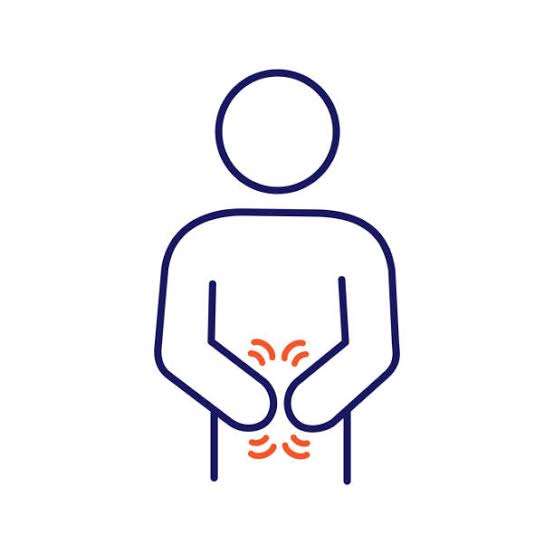
This digestive disorder occurs when stomach acid frequently flows back into the esophagus causing discomfort. Recognizing GERD early can aid effective management strategies for long-term relief from symptoms.
- Symptoms/Causes: Symptoms encompass heartburn , regurgitation , difficulty swallowing along matters which arise due anatomical abnormalities or lifestyle habits including obesity , smoking regularly consuming large meals late at night .
- Diagnosis: A combination diagnostic approach may include patient history evaluations through endoscopy imaging studies evaluating acid reflux severity depending on intensity frequency .
- Treatment/Management: Lifestyle modifications are vital comprising weight loss maintaining upright posture after meals minimizing trigger foods combined antacid over-the-counter medications whilst sometimes prescription drugs assist manage common aggravation stomach acids involved relieves discomfort patient experiences daily lives .
The proactive engagement regular consultations forming cooperative partnerships between healthcare providers enables better tracking possible improvement GERD cases overtime enhancing overall quality living standards experienced many sufferers faced dealing hardships associated illness frequently arise unnoticed they find affecting overall satisfaction day routines without notice any longer feeling helpless anymore between sunrise sunset getting much-needed relief instead being constantly bothered thereafter seeking resolutions rightly deserved!
ASTHMA MANAGEMENT

Asthma is a chronic respiratory condition characterized by airway inflammation leading to difficulty breathing. Effective asthma management includes understanding triggers that exacerbate symptoms.
- Symptoms/Causes: Asthma symptoms include wheezing , coughing , chest tightness , and shortness of breath . Common triggers consist of allergens , pollution , respiratory infections , or vigorous exercise .
- Diagnosis: Diagnosis often involves assessing medical history , conducting physical examinations , along with spirometry tests which measure lung function .
- Treatment/Management: Treatment may involve avoiding identified triggers alongside medication plans consisting of inhalers or other prescribed medications based on individual needs . Developing an asthma action plan tailored for each patient promotes better self-management .
- What to Expect: Regular monitoring enables patients to adapt their strategies efficiently leading ultimately towards improved quality life despite living with asthma .
Asthma education empowers individuals by fostering proper techniques while utilizing medication appropriately when needed .
ANEMIA

Anemia occurs when there aren’t enough healthy red blood cells to carry adequate oxygen to body tissues. Understanding its causes can help in managing this condition effectively.
- Symptoms/Causes: Symptoms include fatigue, weakness, pale skin, shortness of breath during exertion. Causes vary from iron deficiency due to inadequate dietary intake or chronic diseases that affect red blood cell production.
- Diagnosis: Diagnosis typically involves a complete blood count (CBC) that checks hemoglobin levels alongside other tests that may identify underlying causes.
- Treatment/Management: Treatment primarily focuses on dietary adjustments including iron-rich foods such as beans or leafy greens; supplementation might also be required depending on severity. Addressing underlying causes is equally important for improving overall health status
A personalized approach involving regular follow-up assessments ensures effective management of anemia over time
HIGH CHOLESTEROL
A high cholesterol level can increase the risk of heart disease and stroke. It’s important to understand how cholesterol works in your body to manage it effectively.
- Symptoms/Causes: High cholesterol usually does not present any symptoms but can be influenced by factors such as diet high in saturated fats, lack of exercise, and genetics.
- Diagnosis: A simple blood test known as a lipid panel measures total cholesterol levels along with LDL (bad) cholesterol and HDL (good) cholesterol levels.
- Treatment/Management: Lifestyle changes form the cornerstone of treatment which includes adopting a low-fat diet rich in fruits and vegetables, engaging in regular physical activities, quitting smoking if applicable, and maintaining a healthy weight. Medications might also be indicated if lifestyle changes alone are insufficient.
- What to Expect: Monitoring your cholesterol levels will help track improvements over time; adhering to recommended changes significantly reduces cardiovascular risk factors.
Pursuing regular check-ups is beneficial in addressing high cholesterol proactively before it leads to more severe conditions.
DIABETES MANAGEMENT

Diabetes is a chronic condition that occurs when the body cannot properly regulate blood glucose levels. Understanding diabetes is essential for effective management and reducing complications.
- Symptoms/Causes: Common symptoms include excessive thirst, frequent urination, fatigue, and blurred vision. Type 2 diabetes is often associated with factors such as obesity and physical inactivity.
- Diagnosis: Blood tests measuring glucose levels are used for diagnosis. A fasting blood sugar test or an HbA1c test provides insights into long-term glucose control.
- Treatment/Management: Management typically involves lifestyle changes like healthier eating habits, regular exercise, and monitoring blood sugar levels. Medications may also be necessary for some patients.
- What to Expect: With adherence to treatment plans and lifestyle modifications, individuals can effectively manage their diabetes and lower the risk of complications such as cardiovascular disease.
A collaborative approach with healthcare professionals enhances the understanding of diabetes management strategies.
HYPERTENSION
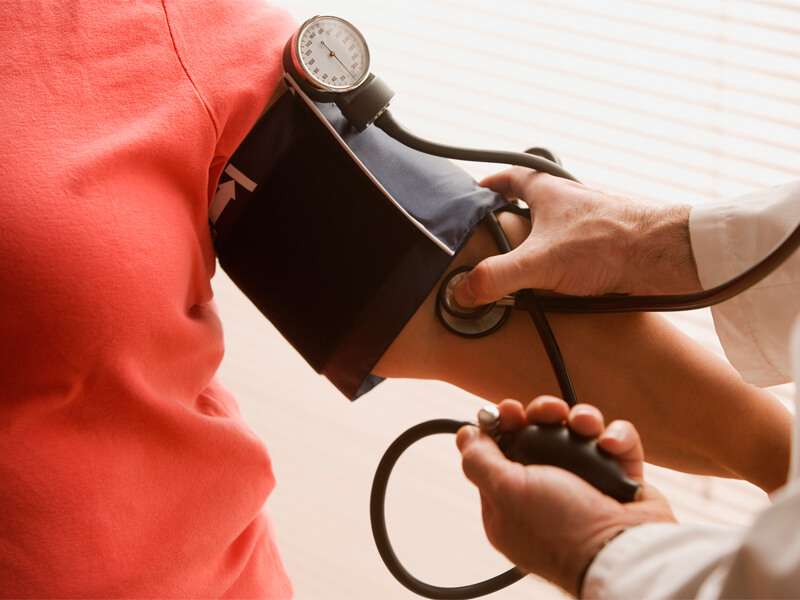
Hypertension, commonly known as high blood pressure, is a prevalent condition that can lead to serious health issues if left unmanaged. It typically develops over many years and often has no noticeable symptoms.
- Symptoms/Causes: Many individuals may not experience any symptoms; however, headaches, shortness of breath, or nosebleeds can occur in severe cases. Contributing factors include obesity, lack of physical activity, and genetic predisposition.
- Diagnosis: Blood pressure is measured using a sphygmomanometer. Multiple readings on different occasions are used to confirm a diagnosis of hypertension.
- Treatment/Management: Lifestyle changes such as adopting a heart-healthy diet, regular exercise, and weight management are crucial. In some cases, medications may be prescribed.
- What to Expect: With proper management and lifestyle adjustments, individuals can lower their blood pressure and reduce the risk of complications like heart disease and stroke.
Early detection and proactive management play a vital role in living a healthy life with hypertension.