
Dr Anju Sinha
About Me
Dr Anju Sinha
MBBS
General Physician
10 Years Experience
Biography
My Clinic
OPD Hours
| Monday | Morning | 10:00 AM | - | 02:00 PM |
| Evening | 06:00 PM | - | 09:00 PM | |
| Tuesday | Morning | 10:00 AM | - | 02:00 PM |
| Evening | 06:00 PM | - | 09:00 PM | |
| Wednesday | Morning | 10:00 AM | - | 02:00 PM |
| Evening | 06:00 PM | - | 09:00 PM | |
| Thursday | Morning | 10:00 AM | - | 02:00 PM |
| Evening | 06:00 PM | - | 09:00 PM | |
| Friday | Morning | 10:00 AM | - | 02:00 PM |
| Evening | 06:00 PM | - | 09:00 PM | |
| Saturday | Morning | 10:00 AM | - | 02:00 PM |
| Evening | 06:00 PM | - | 09:00 PM | |
| Sunday | Morning | 10:00 AM | - | 02:00 PM |
| Evening | 06:00 PM | - | 09:00 PM |
Treatments
Specialised care and treatments offered
ASTHMA
Asthma is a lung condition characterized by airway inflammation leading to breathing difficulties. Recognizing it early enables better control over triggers that provoke asthma attacks and enhances quality of life for affected individuals across all age groups.
- Symptoms primarily consist of wheezing sounds while breathing; persistent coughing especially at night; chest tightness; or shortness of breath during physical activities
- An accurate diagnosis typically involves medical history review combined with pulmonary function tests assessing airflow obstruction severity using spirometry methods
- Options for managing asthma include avoiding triggers—such as smoke/pollutants—and using inhalers for quick relief alongside long-term control medications
Committing to regular consultations ensures ongoing reevaluation supporting optimal control measures against both moderate & severe episodes thus improving overall health outcomes.
COMMON COLD

The common cold is a viral infection affecting the upper respiratory tract. It's especially prevalent during colder months but can occur year-round. Understanding its nature aids in effective self-care measures while reducing transmission risks to others.
- Main symptoms include a runny nose, sore throat, sneezing, low-grade fever, headache, and general malaise. These usually arise gradually over days rather than suddenly falling ill.
- A healthcare provider generally diagnoses a cold based on reported symptoms since lab tests aren't routinely required unless complications develop.
- Treatment focuses mainly on symptom relief through rest; hydration; over-the-counter medications such as decongestants or antihistamines can alleviate discomfort effectively
This usually resolves within a week or two without lasting impacts; however; consulting a physician is advised if symptoms worsen or persist beyond typical durations to rule out other illnesses like flu or strep throat.
GASTROESOPHAGEAL REFLUX DISEASE (GERD)

GERD is a chronic digestive condition where stomach acid flows back into the esophagus. Understanding its causes helps in effective treatment strategies to alleviate discomfort associated with this disorder.
- Main symptoms include persistent heartburn, regurgitation of food or sour liquid, difficulty swallowing, and chronic cough at night due to irritation from acid refluxing into the throat.
- A diagnosis typically comes from symptom review alongside procedures like endoscopy if needed for further evaluation of esophageal damage.
- Treatment usually combines lifestyle modifications—like avoiding trigger foods—with medications that reduce acid production or aid in digestion. Severe cases might require surgical intervention for long-term relief.
Managing GERD effectively not only improves daily comfort but also protects against more serious complications related to prolonged acid exposure in the esophagus.
RESPIRATORY INFECTIONS
Respiratory infections encompass a range of conditions affecting the lungs and airways. These infections can be viral or bacterial in origin and require attention for effective recovery.
- Common symptoms include coughing, fever, chest discomfort, fatigue, and difficulty breathing depending on severity.
- A physician can diagnose these infections through physical examinations and diagnostic tests such as chest X-rays or sputum cultures.
- Treatment options vary based on the type of infection; viral infections often resolve with rest while bacterial infections may require antibiotics.
- Preventative measures such as vaccinations can also protect against specific respiratory illnesses like influenza and pneumonia.
Catching respiratory issues early leads to better outcomes and reduces the risk of complications like pneumonia or chronic lung disease.
DIABETES MANAGEMENT

Diabetes is a chronic condition that affects how your body processes glucose (sugar). Understanding diabetes is crucial for effective management and minimizing complications associated with the illness.
- The primary types are Type 1 diabetes, which is usually diagnosed in children and young adults, and Type 2 diabetes, which develops over time due to lifestyle factors.
- Symptoms may include increased thirst, frequent urination, fatigue, and blurred vision.
- A diagnosis is made through blood tests measuring glucose levels along with potential insulin testing.
- Treatment often includes dietary adjustments, regular exercise, monitoring blood sugar levels, and possibly insulin injections or oral medications.
With consistent management and support from healthcare professionals, individuals with diabetes can lead healthy lives while reducing complications.
HYPERTENSION
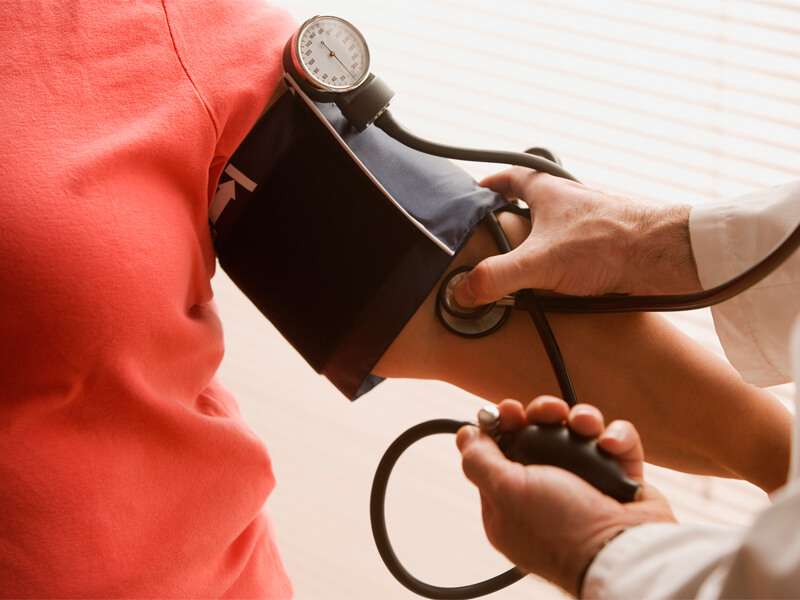
Hypertension, commonly known as high blood pressure, is a prevalent condition that requires vigilant management to prevent serious health complications. It often presents without noticeable symptoms, making regular monitoring essential.
- Symptoms may include headaches, dizziness, and shortness of breath, although many individuals experience none at all.
- A physician diagnoses hypertension through routine blood pressure measurements during visits or screenings based on established guidelines.
- Treatment typically involves lifestyle modifications such as diet changes and increased physical activity. In some cases, medication may be prescribed.
- Regular follow-up appointments help in managing the condition effectively and adjusting treatment as necessary.
Early detection and appropriate management can significantly improve quality of life and reduce the risk of heart disease or stroke.