
Dr Anju taly ,Gem
About Me
Dr Anju taly ,Gem
MBBS
General Physician
Biography
My Clinic
OPD Hours
| Monday | Morning | 10:00 AM | - | 02:00 PM |
| Evening | 06:00 PM | - | 09:00 PM | |
| Tuesday | Morning | 10:00 AM | - | 02:00 PM |
| Evening | 06:00 PM | - | 09:00 PM | |
| Wednesday | Morning | 10:00 AM | - | 02:00 PM |
| Evening | 06:00 PM | - | 09:00 PM | |
| Thursday | Morning | 10:00 AM | - | 02:00 PM |
| Evening | 06:00 PM | - | 09:00 PM | |
| Friday | Morning | 10:00 AM | - | 02:00 PM |
| Evening | 06:00 PM | - | 09:00 PM | |
| Saturday | Morning | 10:00 AM | - | 02:00 PM |
| Evening | 06:00 PM | - | 09:00 PM | |
| Sunday | Morning | 10:00 AM | - | 02:00 PM |
| Evening | 06:00 PM | - | 09:00 PM |
Treatments
Specialised care and treatments offered
GASTROESOPHAGEAL REFLUX DISEASE (GERD) MANAGEMENT
Gastroesophageal reflux disease (GERD) occurs when stomach acid frequently flows back into the esophagus causing irritation. Understanding this condition aids in effective symptom management which enhances quality of life significantly.
- Common manifestations include heartburn , regurgitation , difficulty swallowing , or chronic cough . These signs warrant attention due to potential complications associated if uncontrolled .
- Diagnosis typically comprises discussing symptom history along with diagnostic procedures such as endoscopy if necessary .
- Treatment revolves around lifestyle changes like dietary modifications , weight loss strategies , alongside pharmacologic options like proton pump inhibitors which diminish acid production .
- Antacids may provide symptomatic relief but should not substitute long-term management solutions .
- Following established protocols allows continual monitoring ensuring successful outcomes while alleviating discomfort associated with GERD .
Knowledgeable interventions result in better healthcare experiences ultimately paving ways towards enjoying meals once again without distress caused by GERD .
ALLERGY TESTING & MANAGEMENT

Allergies occur when the immune system reacts unusually to substances. Understanding allergens through testing can significantly enhance quality of life for affected individuals by leading toward effective management strategies.
- You may experience common allergy symptoms such as sneezing, itching eyes/nose/throat or skin rashes depending on the allergen involved — these reactions can greatly differ among individuals.
- The diagnosis often involves skin tests or specific IgE blood tests performed in an office setting to pinpoint allergies accurately.
- Treatment generally includes avoiding known triggers where possible alongside medications such as antihistamines or nasal sprays to control symptoms effectively.
- Immunotherapy could be discussed if standard treatments are insufficient in managing persistent allergic reactions.
- Regular follow-ups ensure optimal symptom control while adapting management plans suited specifically for patient needs.
Taking proactive steps towards allergy identification empowers patients towards healthier living without undue discomfort .
UPPER RESPIRATORY INFECTIONS TREATMENT
Upper respiratory infections (URIs) are common ailments that affect the nose and throat. They are typically caused by viral infections but can also stem from bacterial sources. Understanding how to manage URIs can expedite recovery time and support overall health improvement.
- Common symptoms include coughing, sore throat, nasal congestion, and sometimes fever. These signs often resolve within a week or two without extensive intervention.
- Your doctor may diagnose a URI based on physical exams along with discussing symptoms experienced over recent days.
- Treatment frequently involves symptomatic relief such as hydration, rest, decongestants or throat lozenges; antibiotics are only prescribed for bacterial infections when indicated.
- You should expect advice regarding home remedies that complement medical treatment for alleviating symptoms comfortably during recovery
Most URIs are manageable with proper care; however watching for worsening symptoms is advised as consultation might be warranted in those cases.
ANNUAL HEALTH CHECK-UP
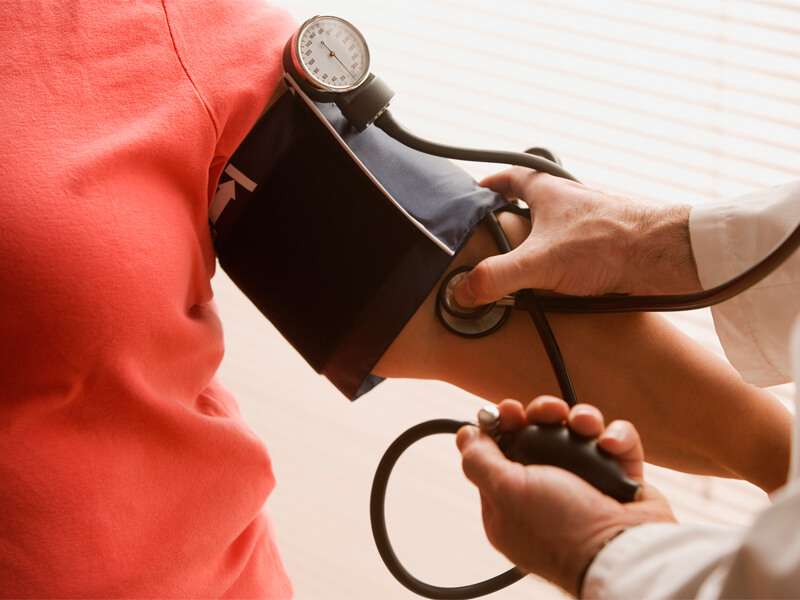
An annual health check-up is an essential practice for maintaining overall wellness. Regular check-ups help in identifying health issues early before they develop into more significant problems.
- During a check-up, you may be assessed for various conditions including high cholesterol, hypertension, and diabetes based on personal health history.
- Your doctor will evaluate any symptoms you report along with family medical history during this visit.
- Routine tests might include blood pressure measurement, cholesterol tests, blood sugar testing, and other examinations tailored to your age and risk factors.
- This proactive approach aids in preventing disease progression through timely intervention or lifestyle recommendations as guided by the physician’s advice.
- You can generally expect a personalized care plan that helps mitigate risks associated with your identified health concerns.
An annual check-up empowers you to take charge of your health through informed decisions based on professional guidance.
TYPE 2 DIABETES MANAGEMENT

Type 2 diabetes is a chronic condition that affects the way your body metabolizes sugar (glucose). Effective management is essential to maintain healthy blood sugar levels and prevent potential complications.
- This condition can lead to symptoms such as increased thirst, frequent urination, and fatigue. However, many may not exhibit noticeable symptoms early on.
- A diagnosis is often made through blood tests measuring glucose levels or A1C testing.
- Treatment generally includes lifestyle modifications like diet changes, increased physical activity, and possibly medications or insulin therapy when necessary.
- Monitoring blood sugar levels regularly helps patients stay informed about their condition and manage it effectively.
- Expect regular follow-ups to assess your treatment plan's effectiveness and make adjustments based on your current health status.
With the right approach and ongoing support, living well with type 2 diabetes is entirely achievable.
HYPERTENSION MANAGEMENT
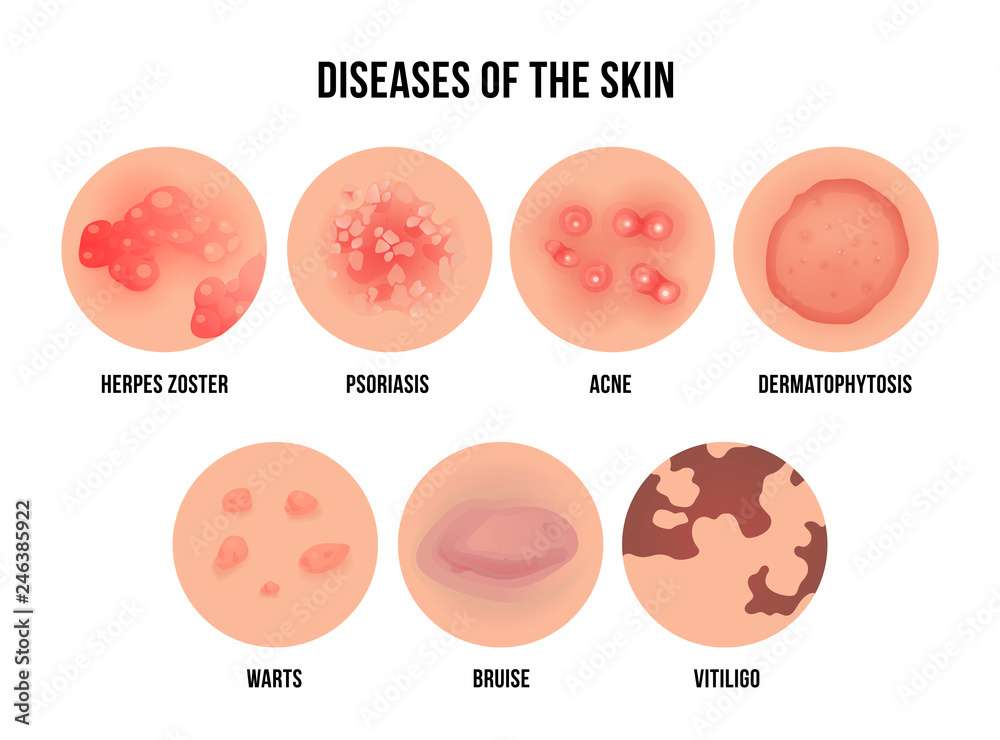
Hypertension, commonly known as high blood pressure, is a prevalent condition that can lead to severe health complications if left untreated. Managing hypertension is crucial for reducing the risk of heart disease and stroke.
- Symptoms may include headaches, shortness of breath, or nosebleeds, although many individuals experience no symptoms at all.
- The diagnosis is typically made through routine blood pressure measurements during check-ups.
- Treatment options usually involve lifestyle changes such as adopting a healthier diet, increasing physical activity, and sometimes medications like diuretics or ACE inhibitors.
- Regular monitoring of your blood pressure is important to evaluate treatment effectiveness and make necessary adjustments.
- You should expect follow-up visits to discuss progress and possibly update your management plan as needed.
Timely management of hypertension can significantly improve quality of life and prevent future health issues.