
Dr Anjum Khan Joa
About Me
Dr Anjum Khan Joa
MD
Oncologist
10 Years Experience
Biography
My Clinic
OPD Hours
| Monday | Morning | 10:00 AM | - | 02:00 PM |
| Evening | 06:00 PM | - | 09:00 PM | |
| Tuesday | Morning | 10:00 AM | - | 02:00 PM |
| Evening | 06:00 PM | - | 09:00 PM | |
| Wednesday | Morning | 10:00 AM | - | 02:00 PM |
| Evening | 06:00 PM | - | 09:00 PM | |
| Thursday | Morning | 10:00 AM | - | 02:00 PM |
| Evening | 06:00 PM | - | 09:00 PM | |
| Friday | Morning | 10:00 AM | - | 02:00 PM |
| Evening | 06:00 PM | - | 09:00 PM | |
| Saturday | Morning | 10:00 AM | - | 02:00 PM |
| Evening | 06:00 PM | - | 09:00 PM | |
| Sunday | Morning | 10:00 AM | - | 02:00 PM |
| Evening | 06:00 PM | - | 09:00 PM |
Treatments
Specialised care and treatments offered
SKIN CANCER EXCISION
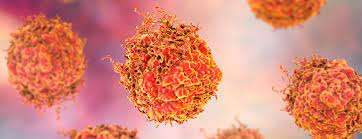
The excision procedure for skin cancer represents an essential step in removing malignant lesions effectively. Timely intervention ensures that potentially dangerous skin cancers are managed before more severe implications develop over time.
- Persistent changes in moles or new skin growths are common warning signs associated with skin cancers like melanoma or basal cell carcinoma that warrant professional evaluation。
- A precise diagnostic evaluation includes visual examination complemented by dermoscopy where necessary。
- Excision entails removing not only the visible tumor but also surrounding healthy tissue to ensure complete excision - particularly crucial for high-risk variants。
- Post-surgical care includes wound management alongside education surrounding sun protection measures relevant after experiencing skin-related cancers。
- Regular follow-ups allow healthcare professionals tracking recurrence risks while ensuring psychological aspects remain addressed during recovery periods。
This proactive stance against skin lesions empowers individuals towards safer outdoor activities without undue fear regarding future developments following successful excisions。
HEPATOCELLULAR CARCINOMA TREATMENT
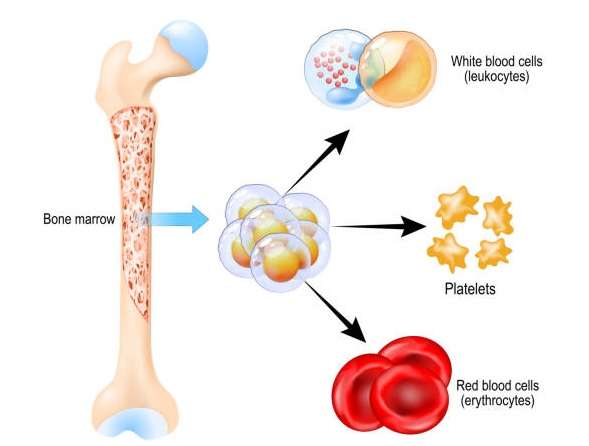
Treating hepatocellular carcinoma (HCC) necessitates a keen understanding of liver function as well as tumor biology. As a primary liver malignancy arising from cirrhotic livers, its management demands a tailored approach based on individual circumstances.
- Main symptoms, such as jaundice or abdominal swelling due to ascites, indicate potential disease progression requiring immediate attention.
- Diagnosis involves both imaging techniques like ultrasound or CT scans alongside liver biopsy when indicated.
- Surgical interventions may consist of partial hepatectomy; otherwise, transplantation could be considered if criteria are met.
- In cases unsuitable for surgery, local therapies like radiofrequency ablation offer alternatives by targeting tumor masses directly.
- Continual monitoring afterward is vital to assess response and manage complications effectively over time.
This specialized form of oncology targets not just eradication but also preservation of liver function essential for overall health post-treatment.
PROSTATE CANCER MANAGEMENT

The management of prostate cancer focuses on controlling the disease while preserving quality of life for patients. Given its prevalence among men, understanding available options is crucial for effective intervention.
- Peculiar symptoms, including frequent urination or difficulty starting urination, can signify issues requiring further evaluation.
- A definitive diagnosis typically combines PSA testing with biopsies to confirm malignancy.
- Treatment alternatives vary widely from active surveillance in low-risk cases to radical prostatectomy for more aggressive cancers.
- Add-on therapies may include radiation treatment aimed at local control or hormone therapy targeting metastatic disease spread throughout the body.
- An individualized treatment plan ensures monitoring potential side effects while maintaining patient's overall well-being during management phases.
This strategic management allows men facing prostate cancer an informed pathway toward effective treatment while considering their personal health objectives and lifestyle choices.
LUNG CANCER TREATMENT
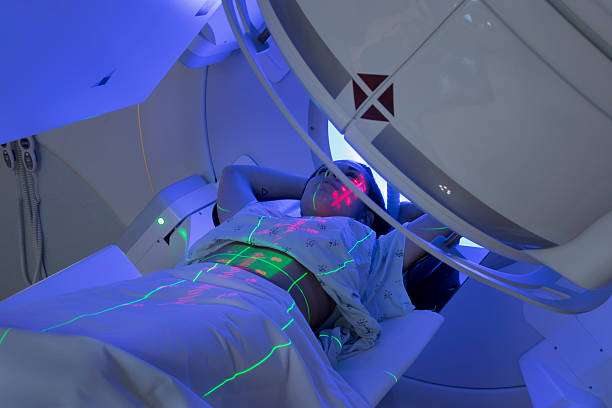
Lung cancer treatment is critical in combatting one of the most prevalent types of cancer worldwide. This condition often presents with complex challenges that require a multifaceted therapeutic approach.
- Main symptoms include persistent cough, chest pain, and breathlessness.
- A thorough diagnostic process typically involves imaging tests such as CT scans followed by biopsy confirmation.
- Treatment modalities may include surgical resection or lobectomy in early stages; however, advanced stages might necessitate chemotherapy or targeted therapies instead.
- Radiation therapy can also be utilized either alone or adjunctively to minimize tumor size before surgery or alleviate symptoms.
- A personalized care plan is established based on tumor characteristics and patient health status to optimize outcomes.
The evolution in lung cancer treatment strategies provides hope through tailored approaches aimed at improved prognosis for patients worldwide.
COLORECTAL CANCER TREATMENT
Colorectal cancer treatment encompasses various strategies aimed at eradicating cancerous cells found in the colon or rectum. The approach taken is often dependent on the staging of cancer at diagnosis.
- Common symptoms include changes in bowel habits, abdominal discomfort, and unexplained weight loss.
- A combination of colonoscopy, imaging studies, and biopsies are essential for accurate diagnosis.
- Surgical options might include resection of affected sections or more extensive procedures like colostomy, depending on severity.
- Chemotherapy and radiation therapy serve as complementary treatments to destroy lingering cells post-surgery.
- A multidisciplinary team usually supports ongoing care to monitor recovery and prevent recurrence.
The management of colorectal cancer has advanced significantly, providing patients with comprehensive options that enhance quality of life and outcomes.
BREAST CANCER SURGERY
Breast cancer surgery is a pivotal intervention in the management of breast cancer. This procedure aims to remove cancerous tissue, often leading to significant improvement in patient outcomes.
- Symptoms may include lumps, changes in breast shape, or discharge from the nipple.
- Diagnosis typically involves imaging tests such as mammograms and biopsies.
- Treatment options range from lumpectomy to mastectomy, depending on the stage and type of cancer.
- Post-operative care includes monitoring for complications and possible rehabilitation services.
- Patients can expect a tailored recovery plan that considers their overall health and treatment preferences.
This surgical approach is crucial for early-stage detection and effective management of breast cancer, promoting better survival rates.