
Dr Ankit Bansal -
About Me
Dr Ankit Bansal -
MD
Pulmonologist
Biography
My Clinic
OPD Hours
| Monday | Morning | 10:00 AM | - | 02:00 PM |
| Evening | 06:00 PM | - | 09:00 PM | |
| Tuesday | Morning | 10:00 AM | - | 02:00 PM |
| Evening | 06:00 PM | - | 09:00 PM | |
| Wednesday | Morning | 10:00 AM | - | 02:00 PM |
| Evening | 06:00 PM | - | 09:00 PM | |
| Thursday | Morning | 10:00 AM | - | 02:00 PM |
| Evening | 06:00 PM | - | 09:00 PM | |
| Friday | Morning | 10:00 AM | - | 02:00 PM |
| Evening | 06:00 PM | - | 09:00 PM | |
| Saturday | Morning | 10:00 AM | - | 02:00 PM |
| Evening | 06:00 PM | - | 09:00 PM | |
| Sunday | Morning | 10:00 AM | - | 02:00 PM |
| Evening | 06:00 PM | - | 09:00 PM |
Treatments
Specialised care and treatments offered
TUBERCULOSIS SCREENING
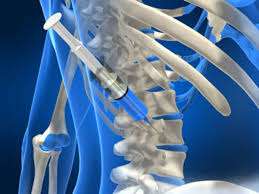
Tuberculosis (TB) is a contagious bacterial infection primarily affecting the lungs but can spread to other parts of the body. Early detection through screening plays a vital role in controlling its spread within communities.
- The main symptoms include prolonged cough lasting three weeks or longer with potential presence of blood in sputum alongside night sweats and unexplained weight loss..
- Diagnosis typically involves skin tests (Mantoux test), blood tests (IGRA), followed by chest X-rays depending on initial results .
- Effective management combines antibiotic therapy tailored specifically over an extended period—often six months—to eradicate TB bacteria fully from the body .
- Patients undergoing treatment require consistent medical supervision due diligence regarding adherence towards prescribed regimens; defaulting may lead drug resistance .
Tuberculosis remains a serious public health concern globally; proactive measures like regular screenings help mitigate risks associated surrounding highly resistant strains now developing out there today!
PNEUMONIA TREATMENT

Pneumonia is an infection that inflames the air sacs in one or both lungs. It can be caused by bacteria, viruses, or fungi; understanding the cause helps tailor treatment protocols effectively.
- The most prevalent symptoms include fever, chills, cough with phlegm production, chest pain while breathing or coughing, and shortness of breath respectively;
- Diagnosis may involve physical examination findings coupled with chest X-raysand laboratory tests on sputum samples.
- Treatment often consists of antibiotics for bacterial pneumonia while viral types may require supportive care including rest and hydration.
- Patients might also benefit from over-the-counter medications targeting specific symptoms like fever or cough suppression.
- Follow-up appointments are crucial in ensuring complete recovery while checking for any lingering complications.
Pneumonia requires prompt medical attention; seeking timely advice enhances recovery outcomes significantly with correct interventions put in place sooner rather than later.
SLEEP APNEA EVALUATION

Sleep apnea is a condition that disrupts normal sleep patterns due to repeated pauses in breathing. This disorder can have serious implications on overall health if left untreated.
- The classic signs include loud snoring followed by choking or gasping episodes during sleep along with excessive daytime fatigue.
- A thorough sleep study (polysomnography) may be required for definitive diagnosis alongside patient sleep habits evaluation.
- Treatment varies but often includes lifestyle changes such as weight loss or positional therapy; CPAP machines are also popular for managing moderate to severe cases.
- /Regular follow-up visits are important for assessing treatment effectiveness and making needed adjustments over time./
Catching sleep apnea early allows patients to explore multiple treatment avenues which can enhance both sleep quality and overall life satisfaction significantly.
SCREENING FOR LUNG CANCER

Lung cancer screening is an essential practice aimed at catching the disease in its early stages when it is most treatable. High-risk individuals should consider regular screenings even if they do not exhibit symptoms.
- Common risk factors include a history of heavy smoking or exposure to secondhand smoke, industrial toxins, and genetic factors.
- The primary diagnostic tool used is low-dose computed tomography (CT) scans that can identify abnormal growths in the lungs.
- If detected early, treatment options may include surgery, radiation therapy, and chemotherapy based on the type and stage of cancer found.
- Patients are encouraged to discuss their personal risk factors with their healthcare provider to determine an appropriate screening schedule.
- The goal of screening is early detection which significantly improves survival rates among high-risk individuals.
Lung cancer screening can save lives by identifying malignant changes before symptoms arise; timely action is critical for effective intervention.
ASTHMA MANAGEMENT

Asthma is a chronic respiratory condition characterized by inflammation of the airways, leading to difficulty breathing. This condition can be triggered by allergens, stress, exercise, or respiratory infections.
- The most common symptoms include wheezing, coughing, chest tightness, and shortness of breath.
- Asthma is diagnosed through a combination of patient history reviews and lung function tests.
- Treatment usually involves the use of inhalers containing bronchodilators for quick relief and corticosteroids for long-term control.
- A comprehensive asthma action plan tailored to individual triggers can greatly enhance management strategies.
- Routine monitoring is essential; patients should track their peak flow readings to anticipate potential asthma attacks.
An effective asthma management plan can lead to fewer symptoms and improved daily functioning for those affected by this condition.
CHRONIC OBSTRUCTIVE PULMONARY DISEASE (COPD)

Chronic Obstructive Pulmonary Disease, commonly known as COPD, is a progressive lung disease that makes it difficult to breathe. It primarily includes emphysema and chronic bronchitis, often caused by long-term exposure to harmful particulates or gases.
- Symptoms include persistent cough, excessive mucus production, and shortness of breath during physical activities.
- Diagnosis typically involves pulmonary function tests, imaging studies such as X-rays or CT scans, and a thorough medical history review.
- Treatment options focus on smoking cessation, inhaled medications like bronchodilators and steroids, and pulmonary rehabilitation programs.
- Avoiding triggers such as pollution and respiratory infections can help manage symptoms more effectively.
- Patients should expect regular follow-up appointments to monitor their lung function and adjust treatment plans as necessary.
COPD requires ongoing management to improve quality of life and prevent exacerbations, making early diagnosis crucial.