
Dr Ankit Mathur
About Me
Dr Ankit Mathur
MD
Cardiologist
10 Years Experience
Biography
My Clinic
OPD Hours
| Monday | Morning | 10:00 AM | - | 02:00 PM |
| Evening | 06:00 PM | - | 09:00 PM | |
| Tuesday | Morning | 10:00 AM | - | 02:00 PM |
| Evening | 06:00 PM | - | 09:00 PM | |
| Wednesday | Morning | 10:00 AM | - | 02:00 PM |
| Evening | 06:00 PM | - | 09:00 PM | |
| Thursday | Morning | 10:00 AM | - | 02:00 PM |
| Evening | 06:00 PM | - | 09:00 PM | |
| Friday | Morning | 10:00 AM | - | 02:00 PM |
| Evening | 06:00 PM | - | 09:00 PM | |
| Saturday | Morning | 10:00 AM | - | 02:00 PM |
| Evening | 06:00 PM | - | 09:00 PM | |
| Sunday | Morning | 10:00 AM | - | 02:00 PM |
| Evening | 06:00 PM | - | 09:00 PM |
Treatments
Specialised care and treatments offered
ABLATION THERAPY

Ablation therapy is an effective treatment option designed for patients facing recurrent arrhythmias. This minimally invasive approach aims at destroying small areas of tissue causing abnormal electrical signals in your heart muscle responsible for irregular heartbeat patterns observed clinically over time .
- Common symptoms prompting such therapies include rapid beating possibly leading faint feelings throughout daily routines & unwarranted anxiety during otherwise calm settings ; knowing they’re disrupting lives encourages people seek intervention towards peace again.
- Typical diagnostic procedures range from standard ECGs reflecting rhythm disturbances toward imaging technologies pinpointing exact sites needing addressed surgically shut downtime once achieved successfully thereafter if necessary engaging longer term strategies maintaining rhythm sustainably moving forward thereafter continually checking progress would occur routinely as well every year thereafter verifying success results achieved consistently remaining vigilant monitoring regularly
Consequently undertaking comprehensive assessments regularly contributes greatly toward preventing unexpected complications arising unexpectedly allowing individuals lead healthier lives overall enhancing quality living outcomes positively impacting daily well being accordingly long run regardless lifestyle choices made presently going forth!
STRESS TESTING
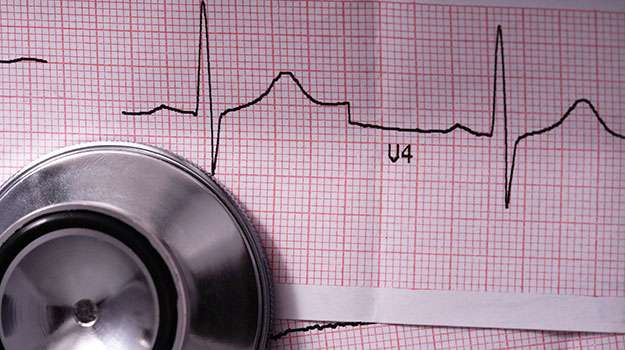
A stress test evaluates how well your heart performs under physical exertion. It's crucial for diagnosing conditions like coronary artery disease without requiring invasive procedures initially.
- Popping sensations in the chest or unusual fatigue during exercise often prompt further investigation through this test methodology;
- During a usual workout scenario while monitored via EKG equipment—the healthcare provider assesses responses related metrics such as blood pressure , oxygen levels assessed periodically along with drawing comparisons later alongside baseline readings taken beforehand
- If anything seems abnormal additional diagnostics might come into play—medications could supplement lifestyle changes necessary post-test based initially upon those results seen early on / determining next steps accordingly
Carrying out these evaluations regularly enables better predictions regarding overall cardiovascular health thus enabling proactive measures before serious complications arise down line .
TRANSESOPHAGEAL ECHOCARDIOGRAPHY (TEE)
Transesophageal Echocardiography (TEE) provides detailed images of the heart by inserting a probe into the esophagus. This method offers better visualization compared to traditional echocardiograms in certain situations where clarity is paramount.
- TTE might not provide enough detail due to obstructive structures; TEE allows for closer proximity to evaluate all heart structures thoroughly
- The procedure typically requires some sedation for patient comfort as it involves gentle insertion into the esophagus
By utilizing TEE when necessary clinicians can address complex cardiac conditions more effectively ensuring optimal patient care moving forward
HOLTER MONITORING
Holter monitoring is a method used to continuously record the heart's electrical activity over 24-48 hours. This assessment helps capture irregularities that might not be detected during a regular ECG.
- Patients may experience symptoms like palpitations or dizziness that prompt this evaluation.
- An external device attaches to the skin using electrodes and records data while patients go about their daily activities.
- This monitoring helps diagnose arrhythmias or other cardiac issues based on collected data analysis by healthcare professionals.
- If necessary, treatments can range from lifestyle modifications to medications tailored specifically based on findings from the monitor data.
The information gathered through this method provides invaluable insights into your heart's health and functions over time, facilitating timely interventions when necessary.
ECHOCARDIOGRAPHY
Echocardiography is an essential imaging technique that uses ultrasound waves to create detailed images of the heart. It helps assess heart structure and function without the need for invasive procedures.
- This test can help identify various conditions, including heart valve diseases and cardiomyopathy.
- The procedure is non-invasive and usually takes about 30-60 minutes while patients are comfortable and relaxed.
- Diagnosis is based on visualizing heart chambers, valves, and blood flow patterns during the ultrasound.
- Treatment options vary depending on findings but may include medication or further interventions if abnormalities are detected.
- No special preparation is needed prior; patients may return to normal activities immediately after.
Echocardiography provides critical information that aids in developing effective treatment plans without significant risks associated with more invasive methods.
CORONARY ANGIOPLASTY
Coronary Angioplasty is a minimally invasive procedure aimed at opening narrowed or blocked coronary arteries. This condition often results from a build-up of plaque, leading to reduced blood flow to the heart muscle.
- Symptoms may include chest pain, shortness of breath, and fatigue, especially during physical exertion.
- Diagnosis typically involves tests such as stress tests, echocardiograms, or angiograms to visualize the arteries.
- Treatment primarily includes angioplasty where a small balloon is inflated in the affected artery to restore blood flow; stents may also be used for support.
- Lifestyle changes and medications are essential for long-term management to prevent future blockages.
- Post-procedure, patients can expect some bruising but usually recover quickly with minimal discomfort.
This procedure can significantly improve quality of life by alleviating symptoms and reducing heart attack risk.