
Dr Ankit Mathur
About Me
Dr Ankit Mathur
Cardiologist
Biography
My Clinic
OPD Hours
| Monday | Morning | 10:00 AM | - | 02:00 PM |
| Evening | 06:00 PM | - | 09:00 PM | |
| Tuesday | Morning | 10:00 AM | - | 02:00 PM |
| Evening | 06:00 PM | - | 09:00 PM | |
| Wednesday | Morning | 10:00 AM | - | 02:00 PM |
| Evening | 06:00 PM | - | 09:00 PM | |
| Thursday | Morning | 10:00 AM | - | 02:00 PM |
| Evening | 06:00 PM | - | 09:00 PM | |
| Friday | Morning | 10:00 AM | - | 02:00 PM |
| Evening | 06:00 PM | - | 09:00 PM | |
| Saturday | Morning | 10:00 AM | - | 02:00 PM |
| Evening | 06:00 PM | - | 09:00 PM | |
| Sunday | Morning | 10:00 AM | - | 02:00 PM |
| Evening | 06:00 PM | - | 09:00 PM |
Treatments
Specialised care and treatments offered
ATRIAL FIBRILLATION
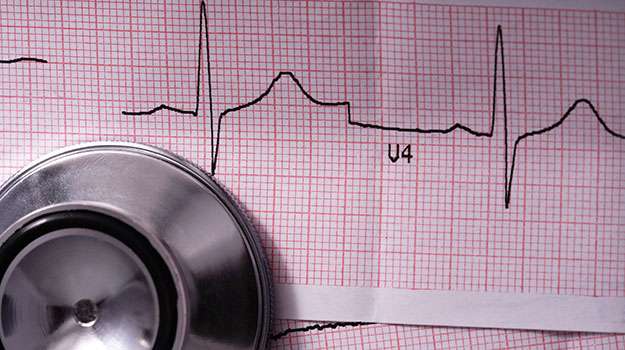
Atrial fibrillation (AFib) is an irregular heartbeat that can lead to various complications like strokes if left untreated. Recognizing this condition early on is vital for effective management and reducing risks associated with it.
- Symptoms: Patients might experience palpitations, dizziness, fatigue, or chest discomfort during episodes of AFib.
- Causes: Common causes include high blood pressure, heart-related conditions, thyroid disorders or excessive alcohol intake.
- Diagnosis:
CHOLESTEROL SCREENING

Cholesterol screening is an important preventive measure to assess lipid levels in the bloodstream. High cholesterol can be asymptomatic but significantly increases the risk of cardiovascular diseases.
- Symptoms: Elevated cholesterol typically does not exhibit any symptoms; hence the need for screening is vital for early detection.
- Causes: Diet high in saturated fats, genetics, and sedentary lifestyle contribute to high cholesterol levels.
- Diagnosis: A simple blood test measures total cholesterol, LDL (bad cholesterol), HDL (good cholesterol), and triglycerides levels.
- Treatment Options: Depending on results, treatment may involve dietary modifications, increased physical activity, or medication like statins to help lower bad cholesterol.
- What to Expect: Regular screenings allow for timely intervention which can significantly reduce the risk of heart-related issues in the future.
If you're at risk or have a family history of heart disease, consider getting screened regularly to maintain optimal cardiovascular health.
HYPERTENSION
Hypertension, commonly known as high blood pressure, is a condition where the force of the blood against the artery walls is consistently too high. It often develops over many years and can lead to severe health issues including heart disease and stroke if not managed effectively.
- Symptoms: Many individuals with hypertension may not experience noticeable symptoms, but severe cases can cause headaches, shortness of breath, or nosebleeds.
- Causes: Factors contributing to hypertension include obesity, lack of physical activity, excessive salt intake, and chronic stress.
- Diagnosis: Blood pressure is measured using a sphygmomanometer. Your doctor may monitor your levels over time to establish a diagnosis.
- Treatment Options: Management strategies may include lifestyle changes such as a balanced diet and regular exercise, as well as medications prescribed by your doctor.
- What to Expect: With appropriate management, individuals with hypertension can lead healthy lives. Regular monitoring and follow-up care are essential for prevention of complications.
If you suspect you have high blood pressure or have been diagnosed with it, regular check-ups are crucial for effective management.