
Dr ANKIT MITTAL
About Me
Dr ANKIT MITTAL
Dermatologist
Biography
My Clinic
OPD Hours
| Monday | Morning | 10:00 AM | - | 02:00 PM |
| Evening | 06:00 PM | - | 09:00 PM | |
| Tuesday | Morning | 10:00 AM | - | 02:00 PM |
| Evening | 06:00 PM | - | 09:00 PM | |
| Wednesday | Morning | 10:00 AM | - | 02:00 PM |
| Evening | 06:00 PM | - | 09:00 PM | |
| Thursday | Morning | 10:00 AM | - | 02:00 PM |
| Evening | 06:00 PM | - | 09:00 PM | |
| Friday | Morning | 10:00 AM | - | 02:00 PM |
| Evening | 06:00 PM | - | 09:00 PM | |
| Saturday | Morning | 10:00 AM | - | 02:00 PM |
| Evening | 06:00 PM | - | 09:00 PM | |
| Sunday | Morning | 10:00 AM | - | 02:00 PM |
| Evening | 06:00 PM | - | 09:00 PM |
Treatments
Specialised care and treatments offered
HYPERHIDROSIS
Hyperhidrosis refers to excessive sweating beyond what is normal for regulating body temperature. While it can occur on any part of the body; it commonly affects hands, feet & underarms impacting daily activities & social interactions significantly .
- Main symptoms include unmanageable perspiration which may drench clothing even without exertion involved causing embarrassment & anxiety among affected individuals.
- Diagnosis usually entails evaluating your clinical history while ruling out underlying conditions contributing toward excess sweating through examinations done by healthcare professionals .
Treatment ranges from clinical interventions based upon severity including prescription antiperspirants , iontophoresis – involving electric currents used safely within certain areas; botox injections could potentially serve cases achieving remarkable results depending upon case specifics tailored engaging close collaboration practitioners / clients alike together ensuring optimal solutions sought after addressing these concerns diligently whilst empowering confidence restored gradually again .
SKIN ALLERGIES
Skin allergies are hypersensitive reactions resulting from exposure to allergens like certain plants, metals (nickel), or substances found in personal care products. Common manifestations include redness, swelling & itchiness at contact sites
.Symptoms appear rapidly after contact with an allergen in most cases; this may manifest as hives or eczema-like lesions depending on individual sensitivity.
- Diagnosis typically involves reviewing your medical history followed by patch testing if necessary ;to identify specific allergens triggering responses .
- Treatment mainly focuses on avoiding identified triggers along with use of topical corticosteroids , antihistamines for itching relief .
- Regular follow-up consultations are essential for monitoring reactions over time .
Living without discomfort from recurrent skin allergies is achievable collaboratively through patient education combined with conscientious avoidance strategies aimed at managing one's sensitivities effectively .
MELASMA
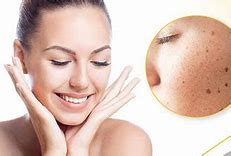
Melasma is characterized by brown or gray-brown patches on the face. It’s particularly common in women during their reproductive years but can affect anyone exposed to sunlight regularly.
- The primary symptom involves noticeable discolored patches typically found on the cheeks, forehead, or upper lip areas of the face.
- A dermatologist diagnoses melasma through observation of your medical history along with visual examination findings without needing invasive procedures.
- Treatment often includes daily sunscreen application alongside topical agents like hydroquinone that help lighten dark patches over time; chemical peels may also be beneficial for some patients.
- Avoiding sun exposure and using sun protection play critical roles in managing melasma effectively;
With dedication to treatment protocols focusing on sun protection and topical therapies, many individuals will experience significant improvement in their pigmentation issues over time
PSORIASIS
Psoriasis is an autoimmune condition that results in rapid skin cell production leading to scaling on the skin's surface. It often presents as red patches covered with thick, silvery scales.
- Common symptoms include thickened patches that can crack or bleed; itching may also be prevalent.
- This condition is diagnosed via visual inspection; occasionally a biopsy might be conducted for confirmation if the diagnosis is unclear.
- Treatment strategies can encompass topical treatments such as corticosteroids and vitamin D analogs; systemic therapies may be recommended for severe cases.
- Lifestyle changes including stress management techniques are vital in reducing flare-ups and improving overall well-being.
- Patients should look forward to clearer skin with ongoing treatment adherence and regular follow-ups with their dermatology provider.
Chronic yet manageable, psoriasis requires a tailored approach for effective control over its symptoms and flare-up prevention.
ECZEMA
Eczema, also known as atopic dermatitis, is a chronic inflammatory skin condition characterized by itchy and inflamed patches. It is commonly seen in children but can affect individuals of all ages.
- The main symptoms include dry, itchy skin that may become red or swollen during flare-ups.
- A thorough examination by a healthcare provider can confirm the diagnosis based on the appearance of the rash.
- Treatment options typically involve moisturizing creams to restore the skin barrier, topical steroids to reduce inflammation, and antihistamines for itch relief.
- It's important to identify personal triggers like stress or certain fabrics to manage flare-ups effectively.
- With appropriate care, individuals can expect significant reductions in symptoms and improved quality of life over time.
If managed well through a comprehensive skincare strategy, eczema patients often enjoy long periods of remission between flare-ups.
ACNE
Acne is a common skin condition that occurs when hair follicles become clogged with oil and dead skin cells. It can lead to pimples, blackheads, and cysts, primarily affecting teenagers and young adults but can persist into adulthood.
- Symptoms include various types of lesions, such as whiteheads, blackheads, and inflamed cysts.
- The condition is diagnosed through a physical examination of the skin; sometimes, laboratory tests may be conducted.
- Treatment options often involve topical medications like benzoyl peroxide or retinoids, oral antibiotics in more severe cases, and lifestyle modifications.
- Management includes maintaining a consistent skincare routine and avoiding known triggers such as excessive oil use.
- Patients can expect improvement over time with proper treatment adherence, usually within a few weeks to months.
Effective management of acne not only improves skin appearance but also enhances self-esteem and reduces potential scarring.