
Dr Ankur Gahlot
About Me
Dr Ankur Gahlot
ENDOCRINOLOGIST
Biography
My Clinic
OPD Hours
| Monday | Morning | 10:00 AM | - | 02:00 PM |
| Evening | 06:00 PM | - | 09:00 PM | |
| Tuesday | Morning | 10:00 AM | - | 02:00 PM |
| Evening | 06:00 PM | - | 09:00 PM | |
| Wednesday | Morning | 10:00 AM | - | 02:00 PM |
| Evening | 06:00 PM | - | 09:00 PM | |
| Thursday | Morning | 10:00 AM | - | 02:00 PM |
| Evening | 06:00 PM | - | 09:00 PM | |
| Friday | Morning | 10:00 AM | - | 02:00 PM |
| Evening | 06:00 PM | - | 09:00 PM | |
| Saturday | Morning | 10:00 AM | - | 02:00 PM |
| Evening | 06:00 PM | - | 09:00 PM | |
| Sunday | Morning | 10:00 AM | - | 02:00 PM |
| Evening | 06:00 PM | - | 09:00 PM |
Treatments
Specialised care and treatments offered
HYPERLIPIDEMIA MANAGEMENT
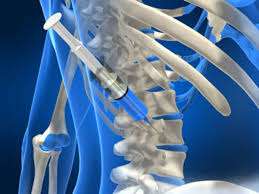
This condition refers to elevated lipid levels in the bloodstream that contribute significantly to cardiovascular diseases. Managing hyperlipidemia is vital for long-term health preservation.
- Symptoms are often absent ; however , laboratory tests reveal elevated cholesterol levels resulting from poor dietary habits or genetic predispositions .
- Diagnosis primarily relies on fasting lipid panel tests evaluating total cholesterol , LDL , HDL ,and triglycerides .
- Treatment approaches emphasize lifestyle changes including heart-healthy diets paired with physical activity routines ; adjunctive pharmacotherapy like statins might be necessary depending on severity .
- Continuous monitoring through routine lipid screening ensures target lipid profiles remain within recommended ranges effectively reducing cardiovascular risks associated with persistently high levels .
Timely intervention strategies yield significant improvements leading towards enhanced life expectancy while maintaining quality thereof .
ADRENAL INSUFFICIENCY TREATMENT

POLYCYSTIC OVARY SYNDROME (PCOS) MANAGEMENT

This common hormonal disorder affects women during their reproductive years and can lead to various symptoms due to hormonal imbalance. Understanding PCOS is essential for effective management strategies.
- Common indicators include irregular menstrual cycles, increased hair growth in unwanted areas (hirsutism), acne, and weight gain.
- A diagnosis typically involves clinical evaluations along with ultrasound imaging assessments of ovarian structure and hormone level testing.
- Treatment focuses on symptom relief through lifestyle changes such as nutrition improvements combined with medications targeting insulin resistance or regulating menstrual cycles like birth control pills.
- Long-term management may also involve regular follow-up sessions to adapt treatment according to individual responses and aspirations regarding fertility if applicable.
Addressing PCOS holistically can greatly improve overall health outcomes for affected individuals.
OSTEOPOROSIS PREVENTION

Osteoporosis is a condition characterized by weak and brittle bones, increasing the risk of fractures. It often develops silently over many years without any symptoms until a fracture occurs.
- The main causes include hormonal changes (especially after menopause), nutrient deficiencies, and lack of physical activity that leads to bone density loss.
- Densitometry testing helps diagnose osteoporosis by measuring bone mineral density (BMD).
- Treatment options may include dietary adjustments supplemented by calcium and vitamin D alongside medications such as bisphosphonates that strengthen bones.
- A comprehensive management plan may also incorporate exercise regimens focused on strength training to enhance bone strength and balance.
Preventing osteoporosis through early intervention can significantly reduce the risk of fractures later in life.
THYROID DISORDERS TREATMENT

Thyroid disorders encompass a range of conditions affecting hormone production by the thyroid gland. These disorders can significantly influence metabolism and overall well-being.
- Symptoms can vary widely but may include weight changes, fatigue, sensitivity to temperature, and mood fluctuations.
- A thorough diagnostic process typically includes blood tests to measure levels of TSH, T3, and T4 hormones.
- Treatment options range from medication to manage hormone levels, radioactive iodine therapy, or surgery in certain cases where nodules are present.
- Patients should expect ongoing monitoring of their thyroid hormone levels to ensure optimal treatment effectiveness.
- A comprehensive approach often involves addressing lifestyle factors that contribute to thyroid health.
The goal is to restore balance in hormone levels to enhance quality of life.
DIABETES MANAGEMENT

Effective management of diabetes is crucial for maintaining overall health and preventing complications associated with the condition. This chronic disease affects how the body processes glucose, leading to elevated blood sugar levels.
- Common symptoms include increased thirst, frequent urination, extreme fatigue, and blurred vision.
- Diagnosis often involves blood tests measuring glucose levels and HbA1c, which indicate average blood sugar over time.
- Treatment typically includes lifestyle modifications such as diet and exercise, alongside medications like insulin or oral hypoglycemics to help control blood sugar levels.
- Regular monitoring of blood sugar levels is essential for effective management and preventing severe complications.
- Patients can expect personalized care plans that may also incorporate regular follow-ups to adjust treatments as needed.
With proper management strategies, individuals with diabetes can lead a healthy life while minimizing risks associated with the disease.