
Dr Ankur Gahlot
About Me
Dr Ankur Gahlot
MBBS
General Physician
10 Years Experience
Biography
My Clinic
OPD Hours
| Monday | Morning | 10:00 AM | - | 02:00 PM |
| Evening | 06:00 PM | - | 09:00 PM | |
| Tuesday | Morning | 10:00 AM | - | 02:00 PM |
| Evening | 06:00 PM | - | 09:00 PM | |
| Wednesday | Morning | 10:00 AM | - | 02:00 PM |
| Evening | 06:00 PM | - | 09:00 PM | |
| Thursday | Morning | 10:00 AM | - | 02:00 PM |
| Evening | 06:00 PM | - | 09:00 PM | |
| Friday | Morning | 10:00 AM | - | 02:00 PM |
| Evening | 06:00 PM | - | 09:00 PM | |
| Saturday | Morning | 10:00 AM | - | 02:00 PM |
| Evening | 06:00 PM | - | 09:00 PM | |
| Sunday | Morning | 10:00 AM | - | 02:00 PM |
| Evening | 06:00 PM | - | 09:00 PM |
Treatments
Specialised care and treatments offered
ANEMIA EVALUATION AND CARE

Anemia occurs when there aren't enough healthy red blood cells carrying oxygen throughout the body. Identifying the type helps guide appropriate treatment strategies effectively.
- Syndrome Characteristics & Causes: Symptoms include fatigue, pallor, shortness of breath; caused by nutritional deficiencies (iron/B12), chronic diseases or blood loss.
- Evidential Diagnosis: Complete blood count (CBC) test assesses hemoglobin levels alongside peripheral smear examination helps determine etiology. Treatment Modalities:: Iron supplements, vitamin B12 injections or addressing underlying conditions depending on anemia type;
HYPOTHYROIDISM TREATMENT

This condition arises from an underactive thyroid gland causing hormone deficiency that slows bodily functions. Recognizing it timely ensures effective management.
- Main Causes & Symptoms: Fatigue, weight gain, cold intolerance; often caused by autoimmune diseases or iodine deficiency.
- Evidential Tests: Blood tests measuring TSH (thyroid stimulating hormone) and free thyroxine levels establish diagnosis.
- Therapeutic Measures: Lifelong daily thyroid hormone replacement therapy with levothyroxine is standard care.
- Treatment Outcomes: Proper dosing restores energy levels and normalizes metabolic processes; ongoing monitoring adjusts medication as needed.
The condition is manageable with consistent medical supervision resulting in normal life expectancy and wellbeing when treated early on.
CHRONIC OBSTRUCTIVE PULMONARY DISEASE (COPD) SUPPORT
COPD is a progressive lung disease that makes breathing difficult due to airflow obstruction. It primarily affects smokers or those exposed to lung irritants over time.
- Symptoms & Risk Factors: Persistent cough, shortness of breath, wheezing; mainly caused by tobacco smoke exposure or pollutants.
- Diagnosis Techniques: Lung function tests such as spirometry confirm the severity of airway obstruction.
- Treatment Options: Smoking cessation is critical; bronchodilators, corticosteroids, and pulmonary rehabilitation aid symptom relief.
- Prognosis & Monitoring: Regular follow-ups help manage exacerbations; oxygen therapy may be needed in advanced cases.
A comprehensive approach focusing on symptom control improves daily functioning and slows disease progression.
TYPE 2 DIABETES MELLITUS CARE

An increasing number of adults are affected by Type 2 diabetes, a disorder characterized by elevated blood sugar due to insulin resistance. Proper care is crucial to avoid long-term complications.
- Causes & Symptoms: Excessive thirst, frequent urination, fatigue; linked to genetics, sedentary lifestyle, and obesity.
- Diagnostic Methods: Blood glucose tests including fasting plasma glucose and HbA1c levels are standard diagnostics.
- Treatment Plans: Dietary control, regular physical activity, oral hypoglycemic agents or insulin therapy when necessary.
- Management Expectations: Ongoing monitoring of blood sugar and regular screening for complications like neuropathy and retinopathy are important.
Lifelong commitment to treatment adjustments promotes better control and prevents severe health issues associated with diabetes.
HYPERTENSION MANAGEMENT
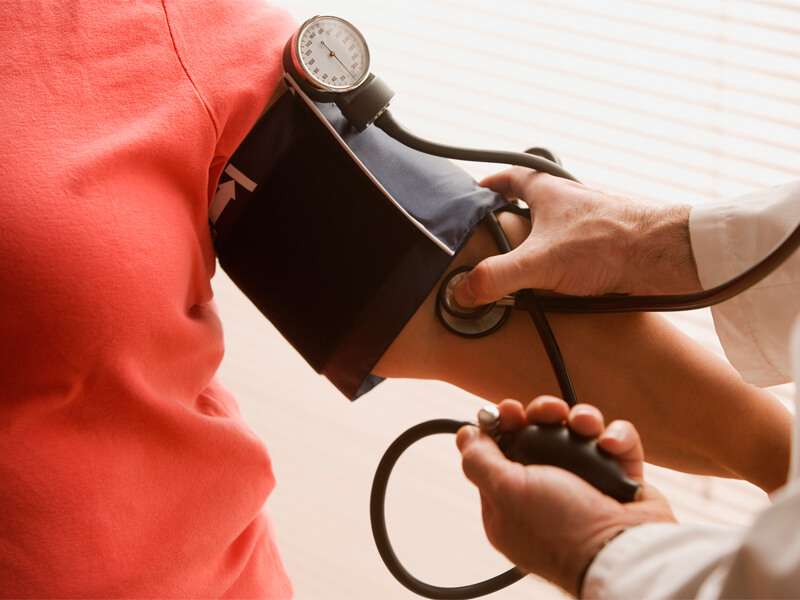
High blood pressure, or hypertension, is a common condition affecting millions worldwide. It often shows no symptoms but can lead to serious health problems if left untreated.
- Symptoms and Causes: Usually asymptomatic; risk factors include age, family history, obesity, and lifestyle habits like high salt intake.
- Diagnosis: Blood pressure measurement using a sphygmomanometer over multiple visits confirms diagnosis.
- Treatment & Management: Lifestyle changes such as diet and exercise, along with prescribed medications like ACE inhibitors or beta-blockers.
- What to Expect: Regular monitoring is essential; adherence to therapy helps prevent complications like stroke or heart disease.
Early detection and consistent management of hypertension can significantly reduce morbidity and improve quality of life.