
Dr Ankur Jain l
About Me
Dr Ankur Jain l
MD
Anesthesiologist
Biography
My Clinic
OPD Hours
| Monday | Morning | 10:00 AM | - | 02:00 PM |
| Evening | 06:00 PM | - | 09:00 PM | |
| Tuesday | Morning | 10:00 AM | - | 02:00 PM |
| Evening | 06:00 PM | - | 09:00 PM | |
| Wednesday | Morning | 10:00 AM | - | 02:00 PM |
| Evening | 06:00 PM | - | 09:00 PM | |
| Thursday | Morning | 10:00 AM | - | 02:00 PM |
| Evening | 06:00 PM | - | 09:00 PM | |
| Friday | Morning | 10:00 AM | - | 02:00 PM |
| Evening | 06:00 PM | - | 09:00 PM | |
| Saturday | Morning | 10:00 AM | - | 02:00 PM |
| Evening | 06:00 PM | - | 09:00 PM | |
| Sunday | Morning | 10:00 AM | - | 02:00 PM |
| Evening | 06:00 PM | - | 09:00 PM |
Treatments
Specialised care and treatments offered
GENERAL ANESTHESIA MONITORING
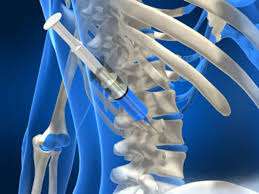
The application of general anesthesia involves deeper levels of sedation, requiring careful monitoring throughout its administration. This specialized attention helps ensure patient safety during major surgeries that necessitate a total lack of consciousness.''General anesthesia might be needed for extensive procedures like open-heart surgery or complex orthopedic operations that require full muscle relaxation.' }
ANESTHESIA CONSULTATION

Anesthesia consultations are integral before undergoing any surgical procedure. This preoperative meeting allows patients to discuss their medical history and any concerns regarding anesthetic techniques and options available during surgery.
- Preoperative Assessment: Addressing existing health conditions helps determine appropriate anesthetic methods tailored specifically for safe administration.
- Patient Awareness: Patients receive information on expected outcomes related both surgical intervention itself and anesthesia plan options chosen by experts.
- Collaboration: Close communication between surgeons and anesthesiologists ensures seamless integration throughout every stage—both pre- , intra- , post-operative phases.
- Patient Satisfaction: Establishing trust fosters an atmosphere encouraging questions about fears surrounding surgeries/anesthesia processes involved; proactive involvement leads towards enhanced satisfaction levels overall post-operatively completion.
This consultation serves as a foundation that lays the groundwork towards achieving safer experiences aligned with optimal outcomes co-dependently throughout entire care continuum journey ahead!
POSTOPERATIVE PAIN MANAGEMENT

A crucial aspect of postoperative care involves managing pain effectively after surgery. Anesthesiologists play a key role in developing personalized pain management plans catered to each patient's needs post-surgery.
- Pain Sources: Understanding whether pain arises from surgical wounds or inflammation helps determine appropriate treatment strategies.
- Mediation Options: Various analgesics may be prescribed, including non-opioid medications like acetaminophen or NSAIDs, as well as opioids when necessary for severe pain control.
- Treatment Protocols: Multimodal approaches combine different medications and therapies for increased effectiveness while minimizing side effects related to opioid use alone.
INTRAVENOUS (IV) SEDATION

This sedation technique involves administering medications directly into the bloodstream via an intravenous line. IV sedation can be tailored specifically to a patient's comfort level, making it suitable for various outpatient procedures.
- Pain Management: Ideal for minor surgical interventions where general anesthesia might be excessive yet adequate pain control is necessary.
- Dosing Strategy: Dosage can be adjusted in real-time based on patient response during the procedure, providing flexibility in managing their comfort level.
- Cautionary Measures: Prior assessments help identify factors that could increase risks associated with IV medications, including allergies or respiratory conditions.
- The Procedure Itself: Patients typically recover quickly from IV sedation; most will return to their baseline state within hours post-administration.
This method provides effective relaxation while maintaining sufficient responsiveness, facilitating successful outcomes in various procedural settings.
SEDATION FOR DIAGNOSTIC PROCEDURES

Sedation is often employed during diagnostic procedures such as endoscopies or colonoscopies to ensure patient comfort and cooperation. The goal is to achieve a state of relaxation without complete unconsciousness.
- Indications: Patients who may feel anxious or have difficulty staying still are ideal candidates for sedation during these tests.
- Evaluation: A comprehensive medical history is taken to assess any potential risks associated with sedation.
- Anesthetic Agents: Medications like midazolam or propofol are administered intravenously for rapid onset and recovery.
- Monitoring: Continuous monitoring of vital signs ensures safety throughout the process.
- Recovery Expectations: After sedation, patients may feel drowsy; it is essential to arrange transportation home post-procedure due to impaired judgment.
The use of sedation enhances comfort and decreases anxiety, allowing for more efficient diagnostics without compromising patient safety.
REGIONAL ANESTHESIA

Regional anesthesia is a method used to block pain in a specific area of the body during surgical procedures. This approach can significantly reduce discomfort while allowing patients to remain awake or lightly sedated.
- Symptoms/Conditions: It is commonly used for limb surgeries, cesarean sections, or any procedure requiring targeted pain relief.
- Diagnosis: The need for regional anesthesia is evaluated based on the type of surgery and individual patient factors.
- Treatment Options: Techniques include spinal and epidural anesthesia, which involve injecting anesthetics near nerves to numb the targeted area.
- Management: Post-operative care includes monitoring the site for complications and ensuring pain control as needed.
- What to Expect: Patients may experience temporary numbness or weakness in the area, but this typically resolves as the anesthetic wears off.
This technique not only minimizes overall pain but also promotes quicker recovery times compared to general anesthesia.