
Dr Ankur Midha
About Me
Dr Ankur Midha
Ophthalmologist
Biography
My Clinic
OPD Hours
| Monday | Morning | 10:00 AM | - | 02:00 PM |
| Evening | 06:00 PM | - | 09:00 PM | |
| Tuesday | Morning | 10:00 AM | - | 02:00 PM |
| Evening | 06:00 PM | - | 09:00 PM | |
| Wednesday | Morning | 10:00 AM | - | 02:00 PM |
| Evening | 06:00 PM | - | 09:00 PM | |
| Thursday | Morning | 10:00 AM | - | 02:00 PM |
| Evening | 06:00 PM | - | 09:00 PM | |
| Friday | Morning | 10:00 AM | - | 02:00 PM |
| Evening | 06:00 PM | - | 09:00 PM | |
| Saturday | Morning | 10:00 AM | - | 02:00 PM |
| Evening | 06:00 PM | - | 09:00 PM | |
| Sunday | Morning | 10:00 AM | - | 02:00 PM |
| Evening | 06:00 PM | - | 09:00 PM |
Treatments
Specialised care and treatments offered
VISUAL FIELD TESTING
Visual field testing assesses peripheral vision capability and helps detect various ocular diseases including glaucoma and neurological disorders affecting sight. It’s important not just for diagnostics but also monitoring disease progression over time.
- The lack of noticeable symptoms initially means many patients remain unaware until substantial damage occurs; hence proactive testing becomes imperative!
- A series of tests will determine how far out into each direction you can see clearly; results are plotted on charts indicating areas suffering deficits potentially linked back disorders requiring attention!
CORNEAL TOPOGRAPHY
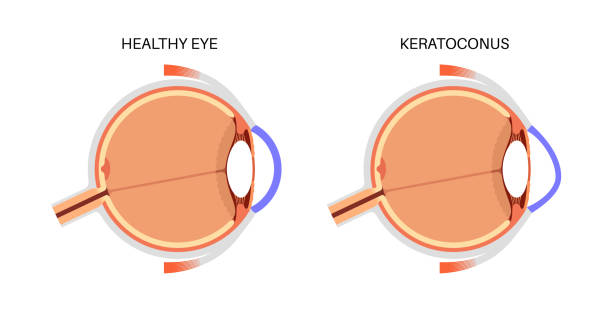
Corneal topography is an advanced diagnostic test used to map the surface curvature of the cornea. This assessment helps diagnose various conditions affecting eyesight enhancement options like contact lenses or surgical procedures such as LASIK.
- This non-invasive procedure provides detailed information on corneal shape which is essential for evaluating keratoconus or astigmatism severity levels.
- An eye care professional utilizes this mapping technique alongside routine exams for comprehensive assessment purposes during consultations or pre-operative planning stages.
- Treatment recommendations based on topography findings may vary from specialized contact lenses to surgical interventions aimed at reshaping the cornea itself if necessary.
The insights gained from corneal topography play a pivotal role in formulating personalized treatment plans tailored specifically for enhancing visual health outcomes!
RETINAL DETACHMENT REPAIR
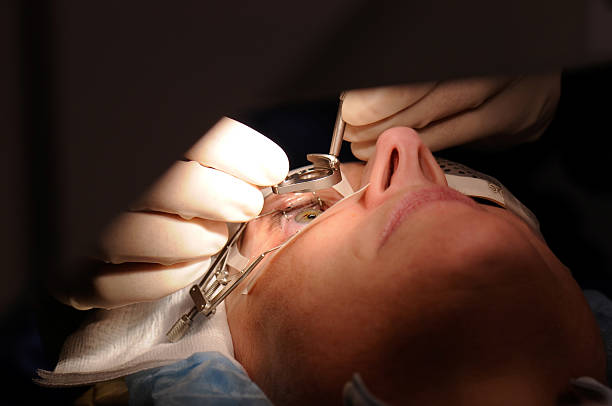
Retinal detachment is a critical condition that requires immediate medical attention as it can lead to permanent vision loss if not addressed promptly. Understanding its symptoms can save sight.
- Suffering from sudden flashes of light or shadows in your field of vision may indicate a developing retinal detachment.
- An urgent eye examination will help confirm diagnosis through imaging techniques like optical coherence tomography (OCT).
- Treatment options include laser surgery or vitrectomy, depending on the severity and location of the detachment.
- The prognosis varies; however, timely intervention often results in favorable outcomes with restored vision considerably more likely if treated early enough.
If experiencing any alarming symptoms associated with retinal detachment, seek immediate professional help for optimal results.
GLAUCOMA EVALUATION
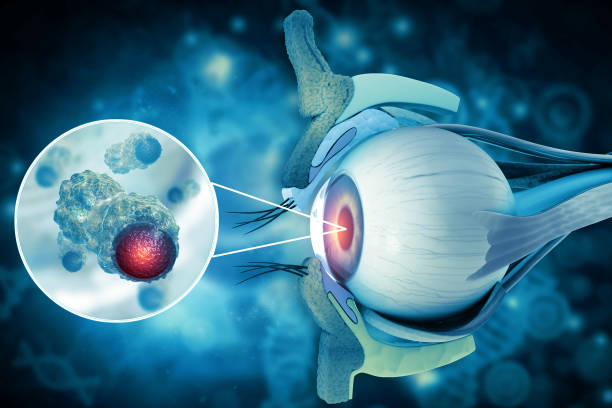
Glaucoma evaluation is critical for detecting this progressive eye disease that damages the optic nerve due to increased intraocular pressure. Early diagnosis can prevent significant vision loss.
- Main signs may include gradual loss of peripheral vision and halos around lights as the condition progresses without prompt intervention.
- An eye specialist will conduct tests such as tonometry to measure eye pressure and visual field tests to assess peripheral sight.
- Treatment revolves around either medication or surgical procedures to lower intraocular pressure effectively.
- With proper treatment plans, patients can maintain their vision and slow down the disease's progression considerably.
The importance of regular glaucoma evaluations cannot be overstated for those at risk, ensuring timely management and care.
DIABETIC RETINOPATHY SCREENING
Diabetic retinopathy is a serious complication of diabetes that can lead to blindness if left untreated. Regular screenings are vital for early detection and management.
- This condition often has no initial symptoms, making regular eye check-ups essential for those with diabetes.
- A comprehensive dilated eye exam helps in diagnosing any retinal changes caused by prolonged high blood sugar levels.
- Treatment may include laser therapy or injections to manage swelling and prevent further damage.
- Following detection, continuous monitoring is crucial as managing blood sugar levels can significantly improve outcomes.
Early intervention through regular screenings can preserve sight and enhance quality of life for diabetic patients.
CATARACT SURGERY
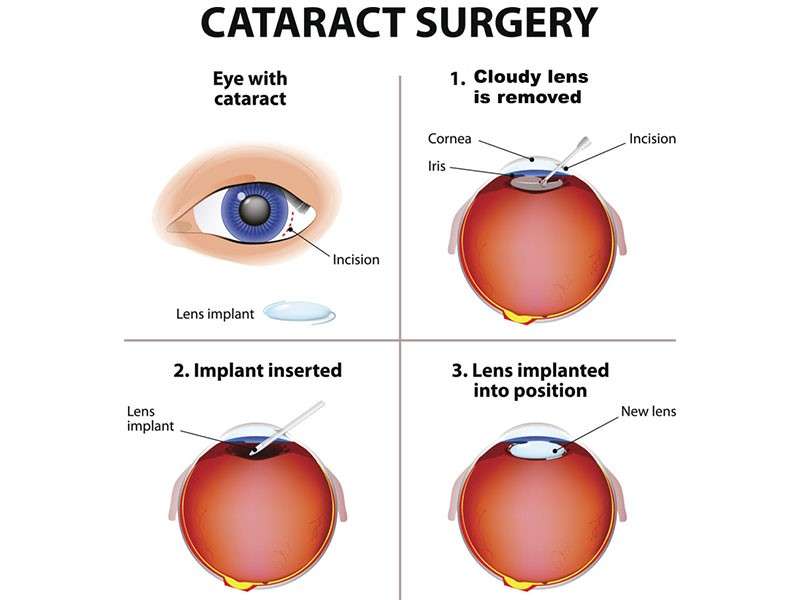
Cataract surgery is a common procedure aimed at restoring vision affected by clouded eye lenses. This condition often develops with age, leading to blurred vision and discomfort in bright light.
- Symptoms include blurry or cloudy vision, difficulty seeing at night, and sensitivity to light.
- Diagnosis typically involves a comprehensive eye exam and vision tests to assess the severity of cataracts.
- Treatment options predominantly revolve around surgical removal of the cataract, often using modern techniques like phacoemulsification.
- Post-surgery, patients usually experience a swift improvement in their vision, often returning to normal activities within days.
With advancements in technology, cataract surgery is safe and effective, providing significant relief from visual impairment.