
Dr Ankur Singh
About Me
Dr Ankur Singh
MBBS
Podiatrist
10 Years Experience
Biography
My Clinic
OPD Hours
| Monday | Morning | 10:00 AM | - | 02:00 PM |
| Evening | 06:00 PM | - | 09:00 PM | |
| Tuesday | Morning | 10:00 AM | - | 02:00 PM |
| Evening | 06:00 PM | - | 09:00 PM | |
| Wednesday | Morning | 10:00 AM | - | 02:00 PM |
| Evening | 06:00 PM | - | 09:00 PM | |
| Thursday | Morning | 10:00 AM | - | 02:00 PM |
| Evening | 06:00 PM | - | 09:00 PM | |
| Friday | Morning | 10:00 AM | - | 02:00 PM |
| Evening | 06:00 PM | - | 09:00 PM | |
| Saturday | Morning | 10:00 AM | - | 02:00 PM |
| Evening | 06:00 PM | - | 09:00 PM | |
| Sunday | Morning | 10:00 AM | - | 02:00 PM |
| Evening | 06:00 PM | - | 09:00 PM |
Treatments
Specialised care and treatments offered
FLATFOOT (PES PLANUS) SUPPORTIVE THERAPY
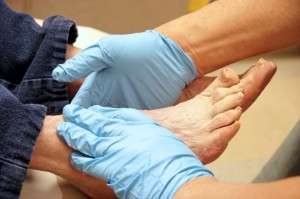
A flatfoot condition involves diminished arch height resulting in increased strain on ligaments around the foot region. While some people remain asymptomatic others develop fatigue or pain during physical activities requiring standing or walking extensively.
- Identification & contributing elements: Clinical assessment reveals arch collapse when standing; obesity or ligament laxity predispose towards this deformity.
- Diagnostic tools: Weight-bearing X-rays evaluate alignment changes critical for formulating management decisions. Treatment aims: Reducing discomfort through customized orthotics that support arches targets biomechanical imbalances preventing progression.
- Patient guidance: Strengthening exercises along with appropriate shoe gear minimize symptoms facilitating improved function daily.
By adopting supportive measures tailored individually most flatfoot sufferers achieve satisfactory symptomatic improvement without invasive intervention needed promptly.
MORTON'S NEUROMA DIAGNOSIS & TREATMENT
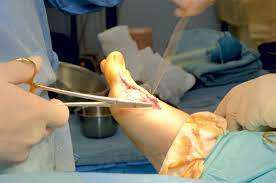
This condition involves thickening of tissue around nerves between toes causing burning pain typically felt in the ball of the foot. It often affects middle aged adults who experience discomfort while walking or standing long periods.
- Symptoms & triggers: Sharp shooting pain between third and fourth toes accompanied by tingling sensations; aggravation happens with tight shoes or high heels.
- Clinical approach: Examination reproduces symptoms with compression tests; ultrasound imaging assists in confirming nerve enlargement.
- Noninvasive treatments: Cushioning insoles reduce pressure along metatarsal heads; physical therapy focusing on stretching may alleviate nerve irritation.
- Injection therapy: Corticosteroid injections can decrease inflammation effectively under guidance during brief office procedures.
Timely identification combined with conservative measures allows most individuals alleviation without resorting immediately to surgical options targeting Morton's neuroma.
DIABETIC FOOT ULCER PREVENTION AND CARE
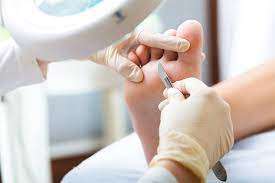
The development of foot ulcers poses a serious risk among diabetic individuals due to nerve damage and poor circulation affecting wound healing. Early attention helps prevent complications such as infection or amputation.
- Causative factors & signs: Neuropathy leads to loss of sensation; unnoticed injuries can progress to ulcers characterized by skin breakdowns commonly on pressure points like heels or toes.
- Screening & diagnosis: Regular foot inspections including monofilament testing assess sensory loss; ulcers are evaluated thoroughly for depth and infection signs during visits.
- Treatment strategies: Offloading pressure areas via special footwear or casts combined with topical dressings promotes healing while controlling blood sugar levels essential for recovery capacity.
- Nonsurgical interventions: Debridement of dead tissue may be carried out gently in office settings alongside antibiotics if infection is present based on culture results.
A multidisciplinary preventive regimen emphasizing education about daily foot care reduces ulcer incidence considerably in diabetic patients at risk of lower limb complications.
BUNIONS (HALLUX VALGUS) CONSERVATIVE CARE
Bunions involve a bony bump forming at the base of the big toe due to misalignment of bones. This deformity can cause discomfort, swelling, and difficulty fitting shoes properly.
- Main features & causes: Symptoms include localized pain exacerbated by footwear pressure; factors include genetic predisposition and repetitive stress on joints.
- Clinical evaluation: Physical exam assesses deformity degree; weight-bearing X-rays may be ordered to understand structural changes accurately.
- Treatment modalities: Conservative management focuses on wearing wide footwear, using protective pads or splints to reduce friction and inflammation.
- Surgical consideration: Surgery is reserved for severe cases unresponsive to nonoperative care but is not always required initially.
- Lifestyle adjustments: Weight management and activity modification help slow progression while minimizing symptom flare-ups over time.
A proactive conservative approach offers significant symptom relief for many bunion patients without immediate need for surgical correction.
INGROWN TOENAIL TREATMENT
An ingrown toenail occurs when the nail grows into the surrounding skin causing pain, swelling, and sometimes infection. It frequently affects the big toe and is a cause of discomfort during walking or wearing shoes.
- Signs and causes: Symptoms include redness, tenderness at nail edges and drainage if infected. Improper nail trimming or pressure from tight shoes are common contributors.
- Examination: The affected toe is inspected for infection severity; mild cases are usually diagnosed clinically without need for imaging.
- Nonsurgical care: Soaking feet in warm water, keeping nails trimmed straight across and choosing proper footwear help early cases heal.
- Surgical options: For recurrent or severe ingrown nails, partial nail avulsion under local anesthesia provides definitive relief in an outpatient setting.
- Recovery expectations: Healing typically occurs over 1-2 weeks post-procedure with minimal downtime if proper wound care instructions are followed.
A tailored approach focusing on symptom control combined with minor surgical interventions when necessary ensures optimal outcomes for patients suffering from ingrown toenails.
PLANTAR FASCIITIS MANAGEMENT
Plantar fasciitis is a common foot condition involving inflammation of the plantar fascia, the thick band of tissue connecting the heel bone to the toes. This condition often causes sharp heel pain, especially with the first steps in the morning.
- Symptoms and causes: Patients typically report stabbing heel pain, worsened by prolonged standing or activity. Overuse, improper footwear, and tight calf muscles can contribute.
- Diagnosis: Diagnosis is primarily clinical through history and examination; imaging like ultrasound or X-ray may be used to exclude other issues.
- Treatment options: Conservative methods include rest, icing, stretching exercises, orthotic supports, and anti-inflammatory medications.
- Advanced therapies: For persistent cases, minimally invasive options such as corticosteroid injections or shockwave therapy can be considered in-office.
- Outlook: Most patients improve within months with adherence to treatment plans and lifestyle modification focused on foot support.
A structured approach combining patient education and targeted therapies offers effective relief from plantar fasciitis symptoms while avoiding surgery whenever possible.