
Dr Anoop Jain-car
About Me
Dr Anoop Jain-car
Cardiologist
Biography
My Clinic
OPD Hours
| Monday | Morning | 10:00 AM | - | 02:00 PM |
| Evening | 06:00 PM | - | 09:00 PM | |
| Tuesday | Morning | 10:00 AM | - | 02:00 PM |
| Evening | 06:00 PM | - | 09:00 PM | |
| Wednesday | Morning | 10:00 AM | - | 02:00 PM |
| Evening | 06:00 PM | - | 09:00 PM | |
| Thursday | Morning | 10:00 AM | - | 02:00 PM |
| Evening | 06:00 PM | - | 09:00 PM | |
| Friday | Morning | 10:00 AM | - | 02:00 PM |
| Evening | 06:00 PM | - | 09:00 PM | |
| Saturday | Morning | 10:00 AM | - | 02:00 PM |
| Evening | 06:00 PM | - | 09:00 PM | |
| Sunday | Morning | 10:00 AM | - | 02:00 PM |
| Evening | 06:00 PM | - | 09:00 PM |
Treatments
Specialised care and treatments offered
PACEMAKER IMPLANTATION

Pacemaker implantation involves placing a small device in the chest to help regulate abnormal heartbeats. It's usually employed when the heart beats too slowly or irregularly due to various underlying conditions.
CARDIAC CATHETERIZATION
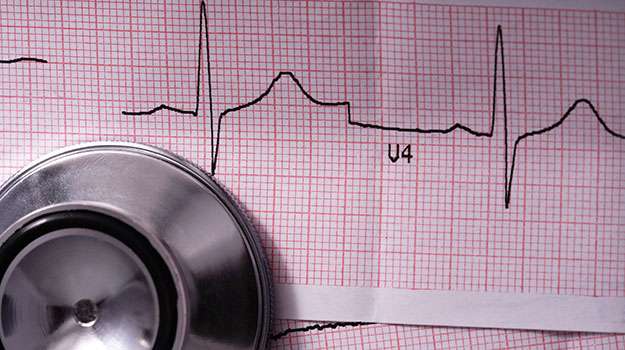
This diagnostic procedure allows doctors to visualize the interior of the heart’s arteries using specialized imaging techniques. Cardiac catheterization provides valuable information regarding blockages and other cardiac conditions without requiring major surgery.
- Disease Identification: Often used for diagnosing coronary artery disease, congenital defects, and assessing overall cardiac function post-symptoms like chest pain or shortness of breath.
STRESS TEST
A stress test evaluates how well the heart performs under physical stress. This assessment can reveal issues not evident when at rest and assists in diagnosing coronary artery disease or assessing exercise tolerance after cardiac events.
- Sweating Symptoms: Patients may exhibit symptoms like chest pain or fatigue during testing if there’s an underlying condition wreaking havoc on their cardiovascular system.
- A Range of Tests: Various methods exist—treadmill exercises are common but can also involve medication-induced stress via intravenous means if needed.
HOLTER MONITOR
A Holter monitor is a portable device used for continuous monitoring of heart rhythms over 24-48 hours. It records electrical activity throughout daily activities to detect irregularities that might not appear during standard tests.
- Indications: It is particularly useful for patients experiencing unexplained palpitations or arrhythmias.
- How It's Done: Small electrodes are attached to the skin; these connect to a recording device worn around the waist or neck.
- No Pain Involved: The procedure is non-invasive and has no discomfort associated with it other than minor adhesive irritation at electrode sites.
The collected data helps physicians make informed decisions regarding treatment options based on accurate rhythm assessments.
ECHOCARDIOGRAM
An echocardiogram is a vital diagnostic tool that uses ultrasound waves to create images of the heart's structure and function. It helps cardiologists assess various cardiac conditions without any invasive measures.
- Purpose: Commonly employed for diagnosing conditions like valve diseases, heart murmurs, and assessing cardiac function.
- Preparation: Typically involves no special preparation; however, it's recommended to avoid heavy meals beforehand.
- Procedure Details: Patients lie down while a technician applies gel on the chest and uses a transducer to capture heart images.
- No Side Effects: Being non-invasive, echocardiograms carry minimal risk and are safe for all age groups.
This examination is crucial in guiding treatment plans based on heart health status.
CORONARY ANGIOPLASTY
Coronary angioplasty is a minimally invasive procedure used to open up narrowed or blocked coronary arteries, improving blood flow to the heart. This type of intervention is critical for patients experiencing angina or those who have had a heart attack.
- Symptoms: Patients may experience chest pain, shortness of breath, or fatigue during physical activity.
- Diagnosis: The procedure often follows tests such as an ECG and echocardiogram, supplemented by a coronary angiogram.
- Treatment Options: Angioplasty involves the insertion of a balloon catheter that is inflated to widen the artery, sometimes accompanied by stent placement to keep the artery open.
- Post-Procedure Care: After angioplasty, lifestyle changes and medications are typically prescribed to maintain heart health.
This procedure has a high success rate and can significantly enhance patients' quality of life post-treatment.