
Dr Anoop Jhurani,
About Me
Dr Anoop Jhurani,
MS
Orthopaedic Surgeons
10 Years Experience
Biography
My Clinic
OPD Hours
| Monday | Morning | 10:00 AM | - | 02:00 PM |
| Evening | 06:00 PM | - | 09:00 PM | |
| Tuesday | Morning | 10:00 AM | - | 02:00 PM |
| Evening | 06:00 PM | - | 09:00 PM | |
| Wednesday | Morning | 10:00 AM | - | 02:00 PM |
| Evening | 06:00 PM | - | 09:00 PM | |
| Thursday | Morning | 10:00 AM | - | 02:00 PM |
| Evening | 06:00 PM | - | 09:00 PM | |
| Friday | Morning | 10:00 AM | - | 02:00 PM |
| Evening | 06:00 PM | - | 09:00 PM | |
| Saturday | Morning | 10:00 AM | - | 02:00 PM |
| Evening | 06:00 PM | - | 09:00 PM | |
| Sunday | Morning | 10:00 AM | - | 02:00 PM |
| Evening | 06:00 PM | - | 09:00 PM |
Treatments
Specialised care and treatments offered
ANKLE SPRAIN TREATMENT
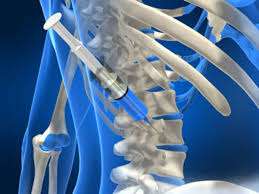
Ankle sprains are common injuries that occur when ligaments supporting the ankle stretch beyond their limit. They can result from twisting motions during sports or uneven surfaces while walking.
- Symptoms : Key symptoms include swelling over the ankle joint , bruising , tenderness , along with difficulty walking .
- Diagnosis : A thorough clinical assessment accompanied by imaging studies such as X-rays will help rule out fractures .
- Management strategies : Initial treatment typically follows RICE protocol (Rest , Ice , Compression , Elevation ) followed by gradual rehabilitation exercises .
- Expectations post-therapy : Full recovery time varies considerably depending on severity but adherence to rehabilitation ensures stronger ankles moving forward .
Effective management leads individuals back into their active lifestyles swiftly after ankle sprain incidents.
TOTAL HIP REPLACEMENT
Total hip replacement is a common surgical procedure performed on patients suffering from severe hip arthritis or injury. It involves replacing the damaged hip joint with artificial components to alleviate pain and improve mobility.
- Causative factors: Conditions that may necessitate this procedure include osteoarthritis, rheumatoid arthritis, or significant fractures around the hip joint.
- Symptoms: Patients often report severe hip pain that limits daily activities such as walking or climbing stairs alongside stiffness in the hip region.
Total hip replacement has led countless individuals towards regaining independence through improved mobility after surgery.
KNEE ARTHROSCOPY

Knee arthroscopy is a minimally invasive procedure used to diagnose and treat various knee conditions. It's particularly effective for assessing internal knee structures without large incisions.
- Indications: It's commonly indicated for repairing meniscal tears, cartilage damage, or loose bodies within the joint space.
- Symptoms leading to diagnosis: Patients may experience knee swelling, persistent pain, clicking sounds during movement, or reduced range of motion.
- Surgical process: During an arthroscope procedure, small instruments are inserted into the knee through tiny incisions for direct visualization and treatment of damaged tissues.
Knee arthroscopy typically results in faster recovery times compared to traditional open surgeries with less postoperative discomfort.
ROTATOR CUFF REPAIR

The rotator cuff is a group of muscles and tendons that stabilize the shoulder joint. Injuries to this area can cause pain and limit range of motion, affecting daily activities.
- Common causes: Rotator cuff injuries generally stem from overuse, age-related degeneration, or acute trauma such as falls.
- Symptoms: Patients frequently report shoulder pain, weakness in the arm, and difficulty performing overhead movements.
- Diagnosis: Diagnosis usually involves a clinical examination along with imaging like ultrasounds or MRIs to assess the extent of damage.
- Treatment methods: Options include conservative measures like physical therapy or surgical repairs when conservative treatments fail to alleviate symptoms.
A successful rotator cuff repair can greatly improve shoulder function and reduce pain levels for better quality of life.
LIGAMENT RECONSTRUCTION

Ligament injuries are prevalent in sports and can lead to significant instability if not addressed properly. These injuries often necessitate surgical reconstruction for comprehensive restoration of joint function.
- Causes: Ligament tears most commonly arise from sudden twists or high-impact activities during sports.
- Symptoms: Key indicators include swelling, joint instability, and intense pain during movement.
- Diagnosis: A thorough physical examination coupled with imaging tests like MRIs helps confirm the extent of ligament damage.
- Surgical options: Techniques may involve arthroscopy or open surgery to repair or reconstruct torn ligaments.
Proper surgical intervention can significantly enhance joint stability and function following a ligament injury.
FRACTURE MANAGEMENT

Bone fractures are a common injury that can occur due to trauma, accidents, or falls. They often require prompt evaluation and treatment to ensure proper healing and restore function.
- Symptoms: Common signs include swelling, pain, bruising, and limited movement at the injury site.
- Diagnosis: Fractures are typically diagnosed using imaging techniques such as X-rays or CT scans to determine the fracture type and severity.
- Treatment options: Depending on the fracture's complexity, treatment may range from immobilization with a cast to surgical intervention for realignment.
- Recovery: Post-treatment, physical therapy may be recommended to regain strength and mobility.
Timely evaluation and correct management of fractures are essential for optimal recovery.