
Dr Anshu Kabra
About Me
Dr Anshu Kabra
Cardiologist
Biography
My Clinic
OPD Hours
| Monday | Morning | 10:00 AM | - | 02:00 PM |
| Evening | 06:00 PM | - | 09:00 PM | |
| Tuesday | Morning | 10:00 AM | - | 02:00 PM |
| Evening | 06:00 PM | - | 09:00 PM | |
| Wednesday | Morning | 10:00 AM | - | 02:00 PM |
| Evening | 06:00 PM | - | 09:00 PM | |
| Thursday | Morning | 10:00 AM | - | 02:00 PM |
| Evening | 06:00 PM | - | 09:00 PM | |
| Friday | Morning | 10:00 AM | - | 02:00 PM |
| Evening | 06:00 PM | - | 09:00 PM | |
| Saturday | Morning | 10:00 AM | - | 02:00 PM |
| Evening | 06:00 PM | - | 09:00 PM | |
| Sunday | Morning | 10:00 AM | - | 02:00 PM |
| Evening | 06:00 PM | - | 09:00 PM |
Treatments
Specialised care and treatments offered
LIPID PROFILE TEST

A lipid profile test measures cholesterol levels in your blood. Monitoring these levels is critical as abnormal cholesterol can contribute significantly to cardiovascular diseases like atherosclerosis and coronary artery disease.
- Symptoms/causes: Often there are no symptoms until significant damage has occurred; therefore regular screening is recommended especially for individuals with diabetes or high blood pressure!
CARDIAC CATHETERIZATION
This procedure involves inserting a thin tube into blood vessels leading to the heart for diagnostic purposes. Cardiac catheterization helps identify blockages or abnormalities by visualizing arteries with contrast dye and X-ray imaging technology.
- Symptoms/causes: Symptoms prompting this evaluation often include severe chest pain or unexplained fatigue suggesting possible coronary artery blockages requiring immediate attention.
- Treatment Options:< / strong > Based on findings from catheterization procedures may range from angioplasty with stenting to bypass surgery if significant blockages are identified.
- What To Expect:< / strong > While being performed under sedation you will feel comfortable; recovery post-procedure typically requires observation for several hours before going home.
This process plays an integral role in determining effective interventions enhancing overall cardiac efficiency tailored towards individual patient needs.
HOLTER MONITOR
A Holter monitor is a portable device that continuously records your heart's rhythms over 24-48 hours. It's especially helpful for detecting intermittent arrhythmias that might not appear during a standard ECG.
- Symptoms/cases: Patients experiencing unexplained dizziness or palpitations may benefit significantly from this monitoring method to capture data during daily activities.
- How it is diagnosed: Electrodes placed on the chest connect to the monitor which tracks variations in heartbeat throughout different activities and rest periods alike.
- Treatment options: After reviewing the data collected, physicians can recommend specific treatments including lifestyle modifications or ongoing monitoring based on findings related to arrhythmias or other issues identified.
This non-invasive tool provides essential insights into your heart’s activity while you go about your daily life, assisting in accurate diagnosis and management plans where needed.
STRESS TEST
A stress test assesses how well your heart functions during physical activity. It is particularly useful for detecting coronary artery disease that may not be evident at rest.
- Symptoms/causes: Indications for this test often include chest discomfort during exertion or risk factors such as high cholesterol or family history of heart disease?
- Diagnosis: During the test, health professionals monitor your heart rate and rhythm while you walk on a treadmill or use a stationary bike under controlled conditions.
- Treatment options: Results can lead to prescribed lifestyle adjustments or medication aimed at improving cardiovascular efficiency.
- What to expect: The procedure involves exercise under supervision; however, patients will be monitored closely throughout to ensure safety and comfort.
The insights gained from stress testing are invaluable in formulating a comprehensive cardiac care strategy tailored to individual needs.
ECHOCARDIOGRAM
An echocardiogram utilizes sound waves to create images of the heart's chambers and valves. This imaging test provides vital information on cardiac function and helps in diagnosing several conditions.
- Symptoms/causes: Symptoms such as fatigue, swelling in the legs, or unexplained breathlessness might warrant an echocardiogram to explore possible causes.
- How it is diagnosed: By using ultrasound technology, doctors are able to evaluate how well the heart is pumping and detect any structural abnormalities.
- Treatment/management options: Based on results, treatment may include medications for heart failure or recommendations for surgical interventions if necessary.
- What to expect: The procedure is painless and lasts about 30-60 minutes, with no special preparations required beforehand.
This test plays a crucial role in understanding your cardiac health and determining appropriate treatment plans for optimal care.
ELECTROCARDIOGRAM (ECG)
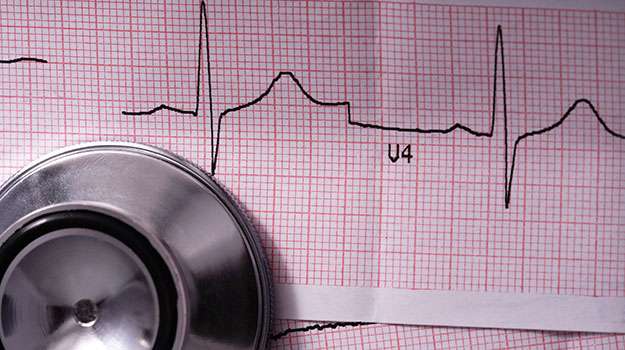
An electrocardiogram, commonly known as an ECG, is a vital diagnostic tool used to assess the heart's electrical activity. This test is crucial for identifying various heart conditions, including arrhythmias and coronary artery disease.
- Symptoms/causes: Patients may experience chest pain, shortness of breath, or palpitations which can indicate underlying heart issues.
- Diagnosis: The ECG records the electrical impulses in the heart, helping physicians diagnose irregularities in rhythm or structure.
- Treatment options: Depending on findings, management may involve lifestyle changes, medications, or further testing like echocardiography.
- What to expect: The procedure is non-invasive and generally takes about 10 minutes; patients can resume normal activities immediately after.
Understanding your heart's electrical system through an ECG can help in early detection and effective management of cardiovascular health.