
Dr Anshu Patodiy
About Me
Dr Anshu Patodiy
MBBS
Podiatrist
10 Years Experience
Biography
My Clinic
OPD Hours
| Monday | Morning | 10:00 AM | - | 02:00 PM |
| Evening | 06:00 PM | - | 09:00 PM | |
| Tuesday | Morning | 10:00 AM | - | 02:00 PM |
| Evening | 06:00 PM | - | 09:00 PM | |
| Wednesday | Morning | 10:00 AM | - | 02:00 PM |
| Evening | 06:00 PM | - | 09:00 PM | |
| Thursday | Morning | 10:00 AM | - | 02:00 PM |
| Evening | 06:00 PM | - | 09:00 PM | |
| Friday | Morning | 10:00 AM | - | 02:00 PM |
| Evening | 06:00 PM | - | 09:00 PM | |
| Saturday | Morning | 10:00 AM | - | 02:00 PM |
| Evening | 06:00 PM | - | 09:00 PM | |
| Sunday | Morning | 10:00 AM | - | 02:00 PM |
| Evening | 06:00 PM | - | 09:00 PM |
Treatments
Specialised care and treatments offered
MORTON'S NEUROMA TREATMENT
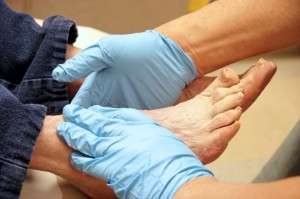
Morten's neuroma occurs when one of the nerves between your toes gets compressed, causing pain in that area. It commonly affects women more than men due largely because associated high-heeled footwear increases pressure points significantly along metatarsal areas where it forms over time unconsciously!
- Pain typically radiates into adjacent toes resulting not only discomfort but also numbness especially worsening under certain circumstances such as prolonged standing walking.
- This incidental compression could stem partly due having particularly tight shoe gear accentuating irritation again during repetitive motion cycles.
- Diagnostics mainly relies upon careful clinical evaluations supplemented periodically with imaging if necessary - mainly ultrasound assessing nerve integrity correctly.
- Treatment might include feet rest inflammatory meds followed possibly fitting custom-made pads relieving direct pressure & redistributing weight away from symptomatic regions!
Successful recovery hinges upon consistently addressing underlying causative agents targeting symptom resolution eliminating recurrence chances opportunistically whenever possible!
FLAT FEET MANAGEMENT
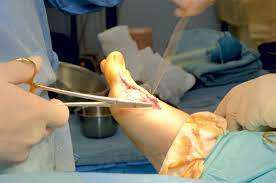
Flat feet occur when arches collapse either by genetic factors or due to wear over time. This condition can lead to discomfort throughout various parts of your body due to altered biomechanics during walking or standing activities.
- The most prevalent symptom includes aching or fatigue in foot muscles after exertion along with associated leg cramps if untreated chronically over time。
- Diagnosing flat feet usually entails observing arch formation visually accompanied by checking range-of-motion and stability tests through physical examination。
- Management primarily focuses upon strengthening exercises specifically for arch support accompanied potentially by prescription orthotic devices designed uniquely for individual requirements。
- Proper footwear recommendations play an instrumental role in enhancing overall comfort levels throughout daily tasks while facilitating proper alignment during walking landing phases.
With consistent adherence towards these strategies combined together outcome projections remain positive leading towards improved function over time。
HEEL SPURS
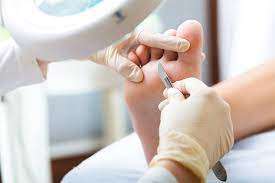
Heel spurs are bony protrusions that form on the underside of the heel bone due to chronic strain on foot ligaments. They often develop alongside conditions like plantar fasciitis and can contribute significantly to foot pain.
- This painful growth usually presents alongside symptoms including localized tenderness at the bottom of the heel as well as inflammation in adjacent tissues.
- An ongoing inflammatory response may arise from factors such as overuse or inappropriate footwear choices while engaging in physical activities.
- Differentiating heel spurs from other potential causes typically involves imaging studies alongside clinical assessment by a healthcare provider.
- Treatment strategies include gradual rest, ice therapy, stretching routines, and possibly anti-inflammatory medications.
An effective approach addresses both immediate symptoms and long-term prevention strategies through lifestyle modifications aimed at reducing repetitive stress on feet muscles and ligaments。
BUNION TREATMENT
Bunions are bony bumps that develop at the base of the big toe joint, leading to deformity and discomfort. They are often exacerbated by tight shoes or hereditary factors.
- Individuals may notice swelling and redness around the joint area as bunions progress.
- This ailment can lead to secondary conditions such as hammertoe if untreated in its early stages.
- A thorough examination helps establish a diagnosis; imaging may be used for severe cases if surgery is contemplated later on.
- Non-surgical management involves wearing properly-fitting shoes and using bunion pads for cushioning while minimizing pressure on affected areas.
- Podiatrists frequently recommend customized orthotics tailored to improve foot alignment during walking or standing activities.
The goal is not just alleviation of symptoms but also preventive measures against further deformity progression.
ACHILLES TENDINOPATHY
Achilles tendinopathy is an injury affecting the Achilles tendon, which connects the calf muscles to the heel bone. This condition is prevalent among runners and those who engage in sports that involve repetitive stress on the tendon.
- Pain along the back of the heel is common, especially during activities that require sudden accelerations or jumping.
- This condition often stems from improper footwear or increases in activity levels without adequate training adjustments.
- Diagnosis may include a clinical examination and ultrasound imaging to assess tendon integrity.
- Treatment emphasizes rest, ice application, and specific stretching exercises to relieve tension on the tendon.
- In some cases, physiotherapy could enhance recovery potential and restore functionality effectively.
A comprehensive management plan can help alleviate pain and prevent future occurrences of this issue.
PLANTAR FASCIITIS
Plantar fasciitis is a common condition characterized by pain at the bottom of the foot, particularly near the heel. This discomfort arises from inflammation of the plantar fascia, a thick band of tissue that connects your heel bone to your toes.
- Symptoms include sharp pain during your first steps in the morning or after prolonged periods of sitting.
- The condition typically starts with gradual onset, often linked to overuse or strain from activities like running.
- Diagnosis usually involves a physical exam and sometimes imaging tests like X-rays to rule out other issues.
- Treatment options focus on stretching exercises, physical therapy, and the use of orthotic devices to provide support.
- It's essential to manage this condition early, as it can worsen over time and affect daily activities significantly.
With appropriate care, most individuals find relief from symptoms and can resume their regular activities safely.