
Dr Anuj Goswami
About Me
Dr Anuj Goswami
MBBS
General Physician
10 Years Experience
Biography
My Clinic
OPD Hours
| Monday | Morning | 10:00 AM | - | 02:00 PM |
| Evening | 06:00 PM | - | 09:00 PM | |
| Tuesday | Morning | 10:00 AM | - | 02:00 PM |
| Evening | 06:00 PM | - | 09:00 PM | |
| Wednesday | Morning | 10:00 AM | - | 02:00 PM |
| Evening | 06:00 PM | - | 09:00 PM | |
| Thursday | Morning | 10:00 AM | - | 02:00 PM |
| Evening | 06:00 PM | - | 09:00 PM | |
| Friday | Morning | 10:00 AM | - | 02:00 PM |
| Evening | 06:00 PM | - | 09:00 PM | |
| Saturday | Morning | 10:00 AM | - | 02:00 PM |
| Evening | 06:00 PM | - | 09:00 PM | |
| Sunday | Morning | 10:00 AM | - | 02:00 PM |
| Evening | 06:00 PM | - | 09:00 PM |
Treatments
Specialised care and treatments offered
ACUTE APPENDICITIS SURGICAL INTERVENTION
An inflammation of the appendix that often necessitates urgent surgical removal. Prompt diagnosis followed by surgery reduces risk of rupture and subsequent complications significantly.
CHRONIC OBSTRUCTIVE PULMONARY DISEASE (COPD) CARE

A progressive lung disease characterized by airflow limitation leading to breathing difficulties. Early recognition and comprehensive care slow decline in lung function over time.
GASTROESOPHAGEAL REFLUX DISEASE (GERD) TREATMENT

This digestive disorder involves stomach acid flowing back into the esophagus causing discomfort. Managing GERD improves symptoms and prevents damage to the esophageal lining.
- Main features: Heartburn, regurgitation, chest pain especially after meals or when lying down are typical complaints caused by lower esophageal sphincter dysfunction.
- Diagnostic process: Primarily clinical diagnosis supported by endoscopy or pH monitoring if unclear cases arise.
- Treatment modalities: Lifestyle changes like weight loss and avoiding triggers combined with acid-suppressing medications such as proton pump inhibitors provide relief.
- User experience expectations: Symptoms improve gradually; adherence to treatment reduces risk of erosive esophagitis or Barrett’s esophagus development.
Diligent management can greatly enhance comfort and quality of life while protecting against long-term complications related to acid reflux disease.
ACUTE RESPIRATORY INFECTION TREATMENT
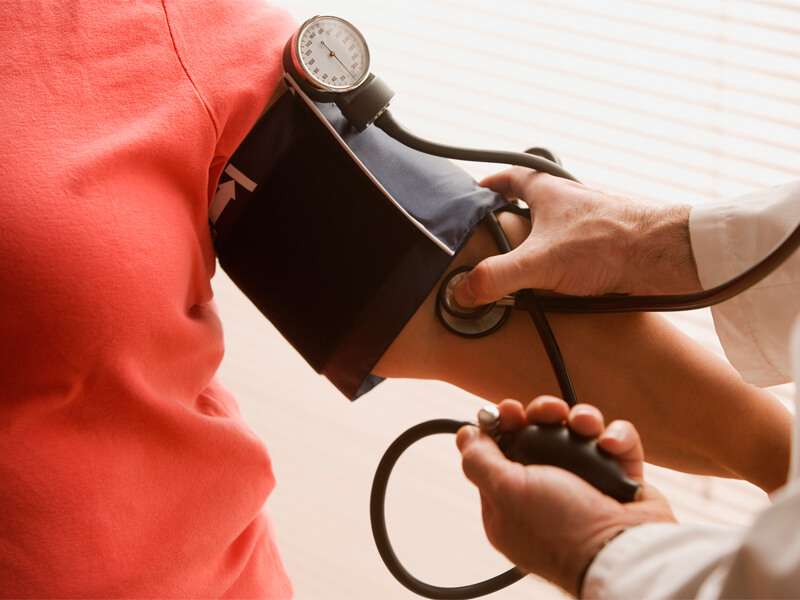
Acutely developing infections of the respiratory tract can vary from mild colds to more severe conditions requiring prompt attention. Timely intervention reduces progression risks.
- Epidemiology and symptoms: Common signs include cough, fever, nasal congestion, sore throat; viral or bacterial origins impact severity.
- Diagnostic approach: Clinical examination supplemented by lab tests or chest X-rays if pneumonia is suspected.
- Therapeutic measures: Symptomatic relief with analgesics and antipyretics; antibiotics reserved for confirmed bacterial infections.
- Recovery outlook: Most recover fully within one to two weeks; watch for worsening breathlessness or persistent fever needing reevaluation.
Caring for respiratory infections properly prevents complications such as bronchitis or pneumonia and promotes swift healing.
TYPE 2 DIABETES MONITORING AND CONTROL

This chronic condition affects how your body processes blood sugar, often requiring ongoing care to avoid severe health issues. Understanding its management is crucial for maintaining quality of life.
- Causes and symptoms: Insulin resistance leads to elevated sugar levels; symptoms may include increased thirst, frequent urination, fatigue.
- Diagnostic methods: Blood tests including fasting glucose and HbA1c levels confirm diagnosis and monitor control.
- Treatment strategies: Diet modifications, physical activity, oral medications or insulin therapy as needed to keep glucose in target range.
- Patient guidance: Regular checkups for complications screening such as eye exams and kidney function tests are essential.
Lifelong vigilance with appropriate therapy helps prevent serious outcomes like nerve damage or cardiovascular disease associated with diabetes.
HYPERTENSION MANAGEMENT

High blood pressure is a common yet serious health condition that can lead to significant complications if untreated. Proper management is vital in reducing the risk of heart disease and stroke.
- Symptoms and causes: Often called the "silent killer," it may not show obvious symptoms; causes include genetics, lifestyle factors like diet and stress.
- Diagnosis: Regular blood pressure monitoring using accurate devices over multiple visits confirms the diagnosis.
- Treatment options: Lifestyle changes such as diet and exercise, along with medications like ACE inhibitors or beta blockers, tailored to patient needs.
- Management expectations: Consistent follow-up is necessary to adjust treatment; long-term adherence helps prevent complications.
Effective control of blood pressure significantly lowers the chance of heart attacks and strokes, ensuring better overall health outcomes.