
DR Anup Awasthi
About Me
DR Anup Awasthi
B.P.T
Physiotherapist
10 Years Experience
Biography
My Clinic
OPD Hours
| Monday | Morning | 10:00 AM | - | 02:00 PM |
| Evening | 06:00 PM | - | 09:00 PM | |
| Tuesday | Morning | 10:00 AM | - | 02:00 PM |
| Evening | 06:00 PM | - | 09:00 PM | |
| Wednesday | Morning | 10:00 AM | - | 02:00 PM |
| Evening | 06:00 PM | - | 09:00 PM | |
| Thursday | Morning | 10:00 AM | - | 02:00 PM |
| Evening | 06:00 PM | - | 09:00 PM | |
| Friday | Morning | 10:00 AM | - | 02:00 PM |
| Evening | 06:00 PM | - | 09:00 PM | |
| Saturday | Morning | 10:00 AM | - | 02:00 PM |
| Evening | 06:00 PM | - | 09:00 PM | |
| Sunday | Morning | 10:00 AM | - | 02:00 PM |
| Evening | 06:00 PM | - | 09:00 PM |
Treatments
Specialised care and treatments offered
GAIT ANALYSIS
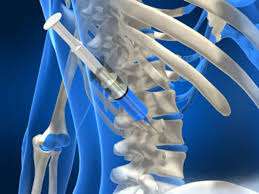
An essential component of assessing movement patterns is gait analysis. It involves observing how individuals walk or run, providing valuable insights into biomechanical efficiencies or imbalances affecting overall health and performance.
- Certain symptoms, including unexplained foot pain or frequent falls may prompt the need for gait assessment procedures conducted by physiotherapists skilled in this area.
SPORTS INJURY MANAGEMENT
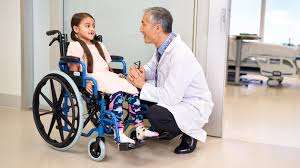
Suffering from sports-related injuries can be discouraging for athletes at any level. Physiotherapy addresses these injuries through tailored prevention strategies and rehabilitative protocols designed specifically for active individuals.
- The common symptoms, including joint pain, muscle tears, or ligament sprains require careful assessment by trained professionals aiming for accurate identification.
- Diagnosis typically encompasses physical tests alongside imaging when needed to ascertain injury severity accurately.
- Rehabilitation approaches might include strengthening exercises combined with balance training aimed at preventing future incidents alongside facilitating long-term athletic performance.
- Patients can expect personalized attention focused on returning them safely back to their sport while minimizing recurrence risks down the line.
Innovation in sports injury management fosters resilience among athletes eager to optimize their performance while ensuring proper care following injuries sustained during competition or training activities.
POST-OPERATIVE REHABILITATION

The journey of recovery after surgery often requires structured post-operative rehabilitation. Physiotherapy plays a vital role in facilitating optimal healing while restoring function effectively following surgical interventions.
- Mainly addressing post-surgical symptoms like swelling, stiffness, or weakness ensures an integrated approach towards recovery success.
- A comprehensive assessment assists physiotherapists in planning individualized rehabilitation protocols tailored to the specific surgical procedure performed.
- Treatment might include exercises aimed at gradually enhancing strength, flexibility, and joint stability over weeks or months depending on individual progress.
- Pacing rehabilitation supports not only physical recovery but also psychological well-being as patients are guided back toward their daily activities safely.
A carefully monitored rehabilitation program is essential after any surgery to minimize complications and promote quick recovery timelines efficiently.
DRY NEEDLING

Dry needling is a minimally invasive technique that targets myofascial trigger points to relieve muscular tension. This method employs fine needles inserted into specific muscle areas for therapeutic outcomes.
- The primary symptoms managed by dry needling consist of tightness and localized pain associated with muscle dysfunction.
- A thorough physical examination helps in the diagnosis, identifying the presence of trigger points that may contribute to discomfort.
- Treatments generally involve multiple sessions where needles are strategically placed to release tension within the muscle fibers.
- Patients frequently report immediate improvements after treatment, including reduced pain levels and enhanced range of motion over time.
This evidence-based technique offers significant relief for individuals suffering from persistent muscular issues, enabling them to regain functional movement effectively.
ELECTROTHERAPY

Utilizing electrical modalities, electrotherapy serves as an effective non-invasive treatment option for various musculoskeletal conditions. By delivering electrical impulses to targeted areas, it aims to enhance healing processes.
- The primary symptoms treated with electrotherapy often include severe pain and inflammation in affected regions.
- This technique is typically diagnosed based on clinical history and physical evaluations, focusing on specific pain locations.
- Treatment options may include Transcutaneous Electrical Nerve Stimulation (TENS) or ultrasound therapy, designed to alleviate symptoms through different mechanisms.
- Patients generally notice reductions in both pain intensity and recovery time following consistent sessions of electrotherapy.
This innovative treatment modality empowers patients seeking alternative solutions for their chronic discomfort.
MANUAL THERAPY

Manual therapy is a key treatment methodology used by physiotherapists to alleviate pain and improve mobility. It involves skilled hand movements to manipulate soft tissues and joints in the body.
- Symptoms of conditions addressed include chronic pain, stiffness, and decreased range of motion.
- This therapy can be diagnosed through physical examinations and patient assessments, often followed by imaging studies when necessary.
- Treatment typically involves a series of hands-on techniques such as mobilization and manipulation, aimed at restoring normal function and relieving discomfort.
- Patients can expect gradual improvement in their symptoms, with many reporting increased flexibility and reduced pain levels.
This holistic approach is crucial for those seeking relief from musculoskeletal pain without resorting to medication or surgery.