
Dr Anupama Gangwa
About Me
Dr Anupama Gangwa
MBBS
General Physician
Biography
My Clinic
OPD Hours
| Monday | Morning | 10:00 AM | - | 02:00 PM |
| Evening | 06:00 PM | - | 09:00 PM | |
| Tuesday | Morning | 10:00 AM | - | 02:00 PM |
| Evening | 06:00 PM | - | 09:00 PM | |
| Wednesday | Morning | 10:00 AM | - | 02:00 PM |
| Evening | 06:00 PM | - | 09:00 PM | |
| Thursday | Morning | 10:00 AM | - | 02:00 PM |
| Evening | 06:00 PM | - | 09:00 PM | |
| Friday | Morning | 10:00 AM | - | 02:00 PM |
| Evening | 06:00 PM | - | 09:00 PM | |
| Saturday | Morning | 10:00 AM | - | 02:00 PM |
| Evening | 06:00 PM | - | 09:00 PM | |
| Sunday | Morning | 10:00 AM | - | 02:00 PM |
| Evening | 06:00 PM | - | 09:00 PM |
Treatments
Specialised care and treatments offered
GASTROESOPHAGEAL REFLUX DISEASE (GERD)
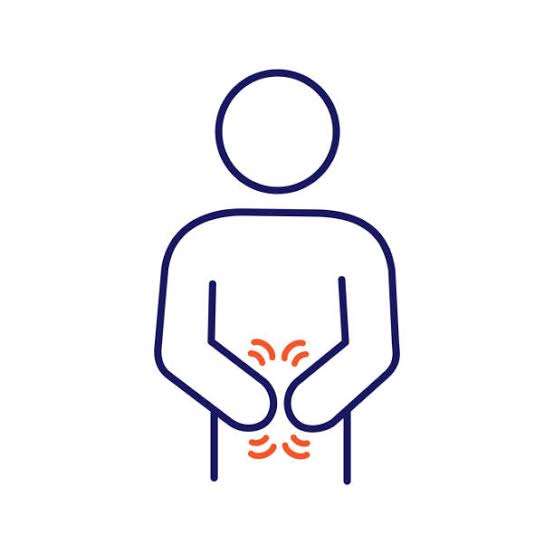
This chronic digestive disorder affects the lower esophageal sphincter resulting in acid reflux symptoms that can disrupt daily activities. Understanding GERD helps minimize discomfort associated with it!
.- < l i >< strong > Symptoms:< s t r o n g > Causes:< s t r o n g > Diagnosis:< s t r o n g > Treatment:< s t r o n g > What To Expect:
< The proactive approach towards managing GERD enhances quality living without constant interruption caused discomforts related acidity.
ANEMIA

Anemia occurs when your blood lacks enough healthy red blood cells or hemoglobin. This condition can result from various underlying causes and requires prompt evaluation for effective treatment
.- Symptoms: Commonly reported symptoms include fatigue, weakness, pale skin color, dizziness upon standing up quickly ,and unusual cravings for non-food items (a phenomenon known as pica).
- Causes: Iron deficiency is the most prevalent form due primarily insufficient intake or absorption ; but vitamin deficiencies (B12 ,folate )can contribute as well .
- Diagnosis: Blood tests evaluating hemoglobin levels & complete blood counts provide insights into an individual’s anemia status .
- Treatment: Treatment generally involves supplements (iron ,B12), dietary changes focused on iron-rich foods ,& addressing any underlying conditions responsible .
- What to Expect: Ongoing consultation & monitoring ensures gradual improvement yields sustainable health benefits.”
The successful management of anemia enhances energy levels significantly allowing individuals greater participation experiences they enjoy .
HYPERLIPIDEMIA

This condition refers to elevated levels of lipids (fats) in the bloodstream. Managing hyperlipidemia is vital for reducing cardiovascular risks associated with heart diseases.
- Symptoms: Often asymptomatic but can lead to fatty deposits under the skin or in organs if untreated.
- Causes: Poor diet high in saturated fats combined with genetic predisposition plays a significant role in development.
- Diagnosis: Blood tests measure total cholesterol levels; LDL ('bad') cholesterol should ideally be below 100 mg/dL for optimal health.
- Treatment: Lifestyle changes like diet modification and regular exercise are essential; statins may also be prescribed for higher-risk individuals.
- What to Expect: Routine monitoring through lab tests will guide adjustments in treatment strategies tailored based on individual risk profiles.
Effective management through lifestyle changes is pivotal in ensuring long-term cardiovascular health.
ASTHMA
Asthma is a chronic lung condition that inflames the airways and makes breathing difficult. With appropriate management, people with asthma can lead active lives.
- Symptoms: Common signs include wheezing, chest tightness, coughing at night or early morning, and difficulty breathing during physical activities.
- Causes: Triggers may include allergens like pollen or dust mites, respiratory infections, exercise, and air pollution.
- Diagnosis: A thorough assessment including lung function tests helps determine the severity of asthma.
- Treatment: Inhalers with bronchodilators or inhaled corticosteroids are often prescribed to manage symptoms effectively.
- What to Expect: Regular follow-ups will help adjust treatment plans based on symptom control and lung function over time.
Mild cases may require minimal intervention while severe cases necessitate comprehensive management strategies including avoiding triggers and medication adherence.
DIABETES MELLITUS

Diabetes mellitus refers to a group of diseases that affect how your body uses blood sugar (glucose). It's crucial for maintaining balanced blood sugar levels for overall health.
- Symptoms: Increased thirst, frequent urination, fatigue, and blurred vision can be common indicators.
- Causes: Risk factors include obesity, family history, and unhealthy dietary habits.
- Diagnosis: Blood tests such as fasting glucose and HbA1c are used to determine blood sugar levels over time.
- Treatment: Management often includes lifestyle modifications along with possible insulin therapy or oral medications for better control.
- What to Expect: With proper care and adherence to treatment plans, many patients can live a healthy life despite their condition.
A proactive approach is key in diabetes management to prevent complications such as heart disease or kidney issues.
HYPERTENSION
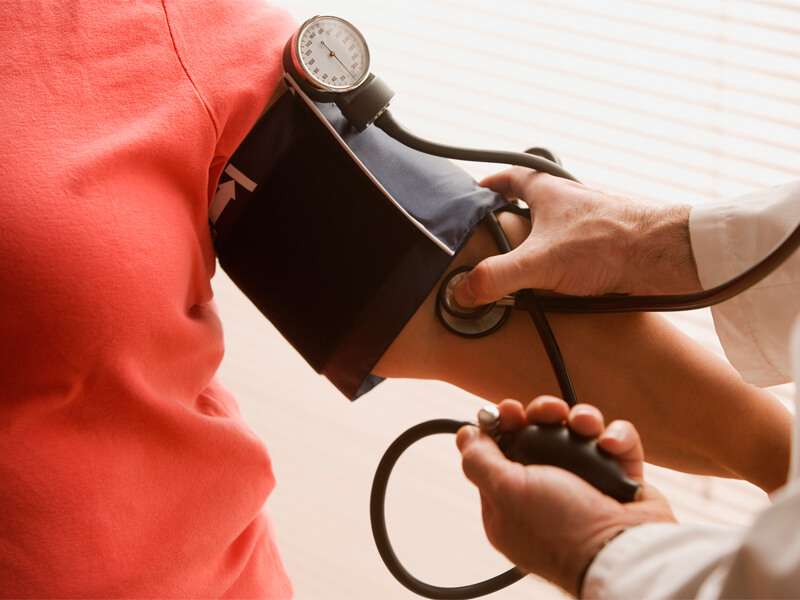
Hypertension, commonly known as high blood pressure, is a condition that affects millions worldwide. It occurs when the force of blood against your artery walls is consistently too high.
- Symptoms: Many individuals may not experience symptoms, but severe cases can lead to headaches, shortness of breath, or nosebleeds.
- Causes: Factors include genetics, poor diet, sedentary lifestyle, and stress.
- Diagnosis: Blood pressure is measured using a sphygmomanometer; readings above 130/80 mmHg are considered high.
- Treatment: Lifestyle changes like exercising and eating a balanced diet can help; medications may also be prescribed.
- What to Expect: Regular monitoring and check-ups are essential for managing this chronic condition effectively.
If left uncontrolled, hypertension can lead to serious complications such as heart disease or stroke, making early detection and management crucial.