
Dr Anupams Home
About Me
Dr Anupams Home
MBBS
Diabetologist
10 Years Experience
Biography
My Clinic
OPD Hours
| Monday | Morning | 10:00 AM | - | 02:00 PM |
| Evening | 06:00 PM | - | 09:00 PM | |
| Tuesday | Morning | 10:00 AM | - | 02:00 PM |
| Evening | 06:00 PM | - | 09:00 PM | |
| Wednesday | Morning | 10:00 AM | - | 02:00 PM |
| Evening | 06:00 PM | - | 09:00 PM | |
| Thursday | Morning | 10:00 AM | - | 02:00 PM |
| Evening | 06:00 PM | - | 09:00 PM | |
| Friday | Morning | 10:00 AM | - | 02:00 PM |
| Evening | 06:00 PM | - | 09:00 PM | |
| Saturday | Morning | 10:00 AM | - | 02:00 PM |
| Evening | 06:00 PM | - | 09:00 PM | |
| Sunday | Morning | 10:00 AM | - | 02:00 PM |
| Evening | 06:00 PM | - | 09:00 PM |
Treatments
Specialised care and treatments offered
HYPOGLYCEMIA MANAGEMENT IN DIABETES

The condition of hypoglycemia occurs when blood sugar drops below normal levels. It is a common concern during intensive diabetes treatment requiring prompt attention to avoid serious consequences.
- Symptoms : Include sweating , shakiness , confusion , irritability , dizziness , lightheadedness , which if unchecked might lead to seizures or unconsciousness .
- Diagnostic Awareness : Self-monitoring devices allow immediate detection ; recognizing warning signs early prevents severe episodes .
- Treatment Protocols : Immediate intake of fast-acting carbohydrates such as glucose tablets , fruit juice helps restore normal glycemic states rapidly .
- Prevention Strategies : Involves adjusting insulin doses appropriately based on meals/plans , avoiding skipped meals , educating patients about symptom recognition .
Effective hypoglycemia management relies heavily on patient education alongside careful glucose monitoring ensuring safety throughout treatment courses .
METABOLIC SYNDROME
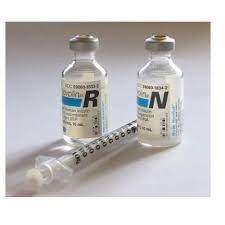
This syndrome represents a cluster of conditions — including elevated blood pressure, high blood sugar, excess abdominal fat, and abnormal cholesterol levels — that increase cardiovascular risk among diabetic patients.
- Syndrome Components & Symptoms: Often no obvious symptoms initially; identified by clinical criteria involving waist circumference measurements and lab values for lipids/glucose levels.
- Evolving Diagnosis Process: Periodic screening in at-risk patients assists in timely recognition before overt disease appears.
- Treatment Modalities:Nutritional counseling focusing on calorie reduction and low-fat diets complemented by physical activity aims at weight reduction as first-line treatment; medication might be required for hypertension or dyslipidemia control depending on severity;
- Prognosis : Addressing metabolic syndrome early lowers future incidence of heart attacks , stroke , kidney disease , as well as worsening diabetes .
Holistic lifestyle interventions combined with medical therapies offer promising results managing metabolic syndrome among diabetics effectively .
DIABETIC RETINOPATHY
An eye condition frequently seen in long-standing diabetes caused by damage to the blood vessels in the retina. Early detection is key to preserving vision over time.
- Causal Factors & Symptoms: Chronic hyperglycemia contributes to microvascular damage; early stages often asymptomatic but progressive vision changes may occur later.
- Diagnostic Methods: Regular fundoscopic examinations and retinal imaging are necessary for diagnosis and monitoring progression.
- Treatment Approaches: Strict glycemic control combined with laser therapy or intravitreal injections helps manage advanced stages effectively.
- Lifestyle & Preventive Measures: Blood pressure control and quitting smoking also reduce risk burden significantly alongside diabetes management.
If caught early through routine screening protocols, diabetic retinopathy's impact on sight can be minimized substantially with proper intervention plans in place.
GESTATIONAL DIABETES
This form of diabetes develops during pregnancy when the body cannot produce enough insulin for both mother and baby. Managing it properly reduces risks for both parties involved.
- Main Causes & Symptoms: Hormonal changes impair insulin utilization; symptoms may be subtle but include increased thirst or fatigue.
- Screening & Diagnosis: Typically identified through glucose tolerance testing between 24-28 weeks of pregnancy.
- Treatment Strategies: Emphasis on balanced diet, moderate exercise approved by healthcare providers, and sometimes insulin therapy if glucose targets aren’t met with lifestyle alone.
- Monitoring Expectations: Regular prenatal check-ups including fetal growth assessments ensure wellbeing throughout pregnancy.
A timely diagnosis with appropriate management helps prevent complications like preeclampsia or large birth weight babies associated with gestational diabetes.
DIABETIC NEUROPATHY
Diabetic neuropathy refers to nerve damage caused by prolonged high blood sugar levels. It commonly affects the legs and feet but can impact other nerve groups as well.
- Symptoms & Causes: Patients often experience numbness, tingling sensations, burning pain, or loss of sensation in affected areas.
- Diagnosis: Clinical evaluation along with nerve conduction studies help confirm the diagnosis and determine severity.
- Treatment & Management: Focuses on controlling blood sugar levels strictly and using medications like analgesics or anticonvulsants to manage pain symptoms.
- Lifestyle Modifications: Foot care education is paramount to prevent ulcers or infections due to sensory loss.
A comprehensive approach can slow progression and greatly improve quality of life for those suffering from diabetic neuropathy.
TYPE 1 DIABETES MELLITUS
Type 1 diabetes mellitus is a chronic autoimmune condition where the pancreas produces little or no insulin. Proper understanding and management are crucial for maintaining health and preventing complications.
- Causes & Symptoms: It is caused by immune-mediated destruction of insulin-producing beta cells, leading to symptoms such as frequent urination, excessive thirst, rapid weight loss, and fatigue.
- Diagnosis: Confirmed through blood tests measuring fasting blood glucose, HbA1c levels, and presence of autoantibodies.
- Treatment Options: Requires lifelong insulin therapy administered via injections or pumps to regulate blood sugar levels effectively.
- Management: Includes regular monitoring of blood glucose, careful meal planning, physical activity, and education on recognizing hypoglycemia.
- What to Expect: With diligent care, individuals can lead active lives; however, strict adherence to treatment is essential to prevent complications like neuropathy or retinopathy.
Early diagnosis and consistent management significantly improve outcomes for people living with Type 1 diabetes.