
Dr Anurag Srivas
About Me
Dr Anurag Srivas
MD
Internal Medicine
10 Years Experience
Biography
My Clinic
OPD Hours
| Monday | Morning | 10:00 AM | - | 02:00 PM |
| Evening | 06:00 PM | - | 09:00 PM | |
| Tuesday | Morning | 10:00 AM | - | 02:00 PM |
| Evening | 06:00 PM | - | 09:00 PM | |
| Wednesday | Morning | 10:00 AM | - | 02:00 PM |
| Evening | 06:00 PM | - | 09:00 PM | |
| Thursday | Morning | 10:00 AM | - | 02:00 PM |
| Evening | 06:00 PM | - | 09:00 PM | |
| Friday | Morning | 10:00 AM | - | 02:00 PM |
| Evening | 06:00 PM | - | 09:00 PM | |
| Saturday | Morning | 10:00 AM | - | 02:00 PM |
| Evening | 06:00 PM | - | 09:00 PM | |
| Sunday | Morning | 10:00 AM | - | 02:00 PM |
| Evening | 06:00 PM | - | 09:00 PM |
Treatments
Specialised care and treatments offered
LIPID PROFILE TESTING
A lipid profile measures cholesterol fractions vital to assessing cardiovascular risk. Understanding your lipid levels helps guide preventive strategies against heart disease.
- What Is Measured: Total cholesterol including LDL ('bad'), HDL ('good') cholesterol plus triglycerides provide a comprehensive lipid overview.
- When It’s Indicated: Particularly relevant in patients with family history of heart disease or metabolic syndrome markers.
- Preparation & Procedure: Fasting prior to blood draw improves accuracy by minimizing recent dietary fat influence.
- Implication & Follow-Up: Abnormal results prompt lifestyle changes such as diet/exercise enhancement alongside potential medication like statins.
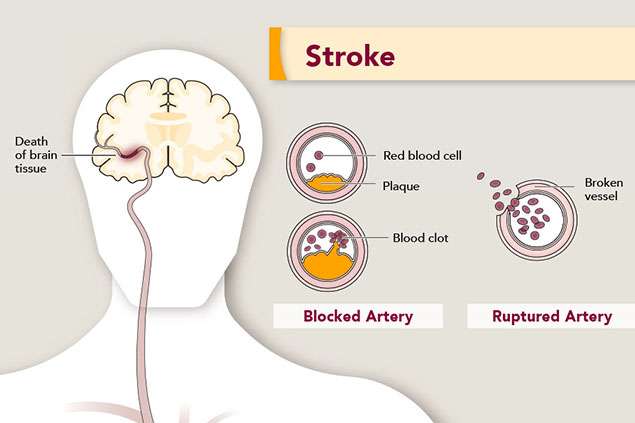
The test supports individualized plans designed to lower the likelihood of arterial blockages leading to heart attacks or strokes effectively.
THYROID FUNCTION EVALUATION
The thyroid gland regulates metabolism through hormone production. Imbalances can lead to symptoms ranging from weight changes to fatigue depending on overactivity or underactivity of the gland.
- Spectrum of Symptoms: Hyperthyroidism may cause nervousness or palpitations; hypothyroidism leads to weight gain or cold intolerance.
- Efficacious Diagnosis Tools: Blood tests measuring TSH (thyroid-stimulating hormone), free T3 & T4 hormones provide insights into thyroid status precisely.
- Treatment Modalities: Medication options include levothyroxine for hypothyroidism or antithyroid drugs for hyperthyroidism based on results interpretation.
- Lifestyle Considerations & Monitoring :: Regular testing ensures dosing adjustments as needed while maintaining functional well-being over time.
Timely evaluation allows effective regulation of thyroid hormone levels improving systemic health parameters substantially.
ANEMIA WORKUP
Anemia refers to a reduction in red blood cells or hemoglobin levels resulting in decreased oxygen delivery to tissues. It can have various underlying causes requiring detailed evaluation.
- Causative Factors and Symptoms: Fatigue, pallor, shortness of breath; causes include nutritional deficiencies like iron or vitamin B12 deficiency, chronic disease states.
- Diagnostic Testing: Complete blood count (CBC), iron studies, vitamin B12 levels help determine anemia type and origin.
- Treatment Strategies: Addressing underlying cause with supplements or treating chronic conditions accordingly; sometimes transfusions needed in severe cases.
- Treatment Expectations: Improvement typically occurs once the source is treated but requires follow-up for recurrence prevention.
A precise diagnosis enables targeted therapies enhancing patient energy levels and organ function restoration effectively.
CHRONIC OBSTRUCTIVE PULMONARY DISEASE (COPD) ASSESSMENT
COPD is a progressive lung disease that causes difficulty in breathing. Its development is often linked to smoking or prolonged exposure to lung irritants.
- Signs and Symptoms: Persistent cough with mucus production, shortness of breath especially during exertion, wheezing.
- Diagnosis Procedures: Spirometry tests measure lung function; chest X-rays assist in excluding other conditions.
- Management Options: Smoking cessation support, inhaled bronchodilators or corticosteroids to alleviate symptoms.
- Treatment Outlook: While the disease cannot be reversed completely, interventions improve breathing comfort and quality of life significantly.
A comprehensive assessment helps tailor treatments that best suit individual needs for symptom relief and slowing progression.
TYPE 2 DIABETES EVALUATION
Type 2 diabetes is a metabolic disorder characterized by elevated blood glucose levels due to insulin resistance. Early detection is vital for preventing long-term complications.
- Symptoms and Causes: Excessive thirst, frequent urination, fatigue; influenced by obesity, inactivity, family history.
- Diagnostic Tests: Fasting plasma glucose test, HbA1c test to assess average blood sugar over months, or oral glucose tolerance test.
- Treatment Approaches: Lifestyle modification focusing on diet and physical activity; medications including metformin or insulin may be necessary.
- Monitoring Expectations: Regular blood sugar checks to adjust treatment plans and avoid complications like neuropathy or cardiovascular disease.
A proactive approach enables better control of diabetes and improved overall health outcomes.
HYPERTENSION MANAGEMENT
High blood pressure, or hypertension, is a common condition that can lead to serious health issues if left untreated. It often develops gradually and may not show obvious symptoms initially.
- Symptoms and Causes: Often asymptomatic early on; risk factors include genetics, obesity, high salt intake, stress, and sedentary lifestyle.
- Diagnosis: Confirmed by repeated blood pressure measurements using a cuff; sometimes ambulatory 24-hour monitoring is done for accuracy.
- Treatment and Management: Lifestyle changes like diet improvement and exercise combined with medications such as ACE inhibitors or beta-blockers.
- Expectations: With proper control, risks of heart attack, stroke, and kidney damage are significantly reduced; ongoing monitoring is essential.
Effective management helps maintain quality of life and prevents complications from sustained high blood pressure.