
Dr Anurag Tomar
About Me
Dr Anurag Tomar
MBBS
General Physician
Biography
My Clinic
OPD Hours
| Monday | Morning | 10:00 AM | - | 02:00 PM |
| Evening | 06:00 PM | - | 09:00 PM | |
| Tuesday | Morning | 10:00 AM | - | 02:00 PM |
| Evening | 06:00 PM | - | 09:00 PM | |
| Wednesday | Morning | 10:00 AM | - | 02:00 PM |
| Evening | 06:00 PM | - | 09:00 PM | |
| Thursday | Morning | 10:00 AM | - | 02:00 PM |
| Evening | 06:00 PM | - | 09:00 PM | |
| Friday | Morning | 10:00 AM | - | 02:00 PM |
| Evening | 06:00 PM | - | 09:00 PM | |
| Saturday | Morning | 10:00 AM | - | 02:00 PM |
| Evening | 06:00 PM | - | 09:00 PM | |
| Sunday | Morning | 10:00 AM | - | 02:00 PM |
| Evening | 06:00 PM | - | 09:00 PM |
Treatments
Specialised care and treatments offered
INFLUENZA (FLU)
The flu is a contagious respiratory illness caused by influenza viruses that affects millions annually. Its impact varies greatly based on the severity of the outbreak but proactive measures play critical roles in prevention across communities worldwide!
GASTROESOPHAGEAL REFLUX DISEASE (GERD)

This chronic digestive disorder occurs when stomach acid flows back into the esophagus resulting in irritation. Understanding GERD helps manage this uncomfortable condition effectively when it arises intermittently even after meals or at night.
- Symptoms: Key symptoms include persistent heartburn regurgitation difficulty swallowing chest pain along with potential chronic cough.
- Causes: Contributing factors include obesity lying flat post-meal certain foods smoking addiction medication side effects affecting esophageal function.
- Diagnosis: Diagnosis may involve endoscopy imaging studies evaluating esophageal functionality via specialized tests assessing reflux severity.
- Treatment: Initial treatment focuses on lifestyle modifications dietary avoidance practices followed if ineffective prescription medications surgery reserved for extreme cases where conventional measures fail achieving adequate relief consistently over time.
Early intervention enables improved quality of life allowing better management alongside routine follow-up appointments ensuring adherence towards prevention strategies tailored specifically according individual needs while reducing risks associated with long-term complications significantly improving effectiveness overall healthcare journey.-
COMMON COLD

The common cold is an upper respiratory tract infection caused primarily by viral agents. Despite being mild compared to other conditions, its symptoms can be bothersome.
- Symptoms: Typical symptoms include runny nose, sore throat, cough, headache, and sometimes fever or malaise.
- Causes: Various viruses like rhinoviruses are responsible; they spread through respiratory droplets from coughing or sneezing.
- The diagnosis usually relies on observing symptoms; specific testing is rarely needed unless complications arise.
- Treatment: The common cold typically resolves on its own; supportive care such as rest hydration medication for symptomatic relief can help manage discomfort.
- What to expect: Most colds last about 7-10 days; healing naturally occurs without specific antiviral treatments.
Awareness regarding symptom duration aids reassurance that colds generally do not pose serious threats to overall health.
ASTHMA
Asthma is a chronic respiratory condition that causes inflammation in the airways. This leads to breathing difficulties that vary in severity among individuals and may require ongoing management for optimal control.
- Symptoms: Patients typically report wheezing, coughing (especially at night), chest tightness, and shortness of breath during exertion or exposure to triggers.
- Causes: Factors include allergies (to pollen or dust), air pollution, respiratory infections, and exercise-induced bronchoconstriction.
- Diagnosis: Asthma is diagnosed based on patient history along with pulmonary function tests measuring airflow obstruction.
- Treatment: Management often includes inhalers (both relievers and controllers), avoiding known triggers, and developing an action plan with healthcare providers.
If properly managed with medication and lifestyle adjustments, patients can minimize symptoms and maintain a good quality of life free from frequent exacerbations.
DIABETES MELLITUS

Diabetes mellitus is a chronic condition characterized by elevated blood sugar levels due to insufficient insulin production or resistance to insulin. Understanding diabetes is crucial for effective management.
- Symptoms: Common signs include excessive thirst, frequent urination, fatigue, and blurred vision.
- Causes: It can be caused by genetic factors, obesity, lack of physical activity, and poor diet.
- Diagnosis: Diagnosis typically involves fasting blood tests or HbA1c testing to measure average glucose levels over time.
- Treatment: Management includes dietary changes, regular physical activity, monitoring blood sugar levels, and in some cases, insulin therapy or oral medications.
- What to expect: With proper management strategies in place, individuals can lead healthy lives while effectively controlling their blood glucose levels.
Lifestyle modification plays a significant role in managing diabetes. Continuous education about the condition helps improve outcomes significantly.
HYPERTENSION
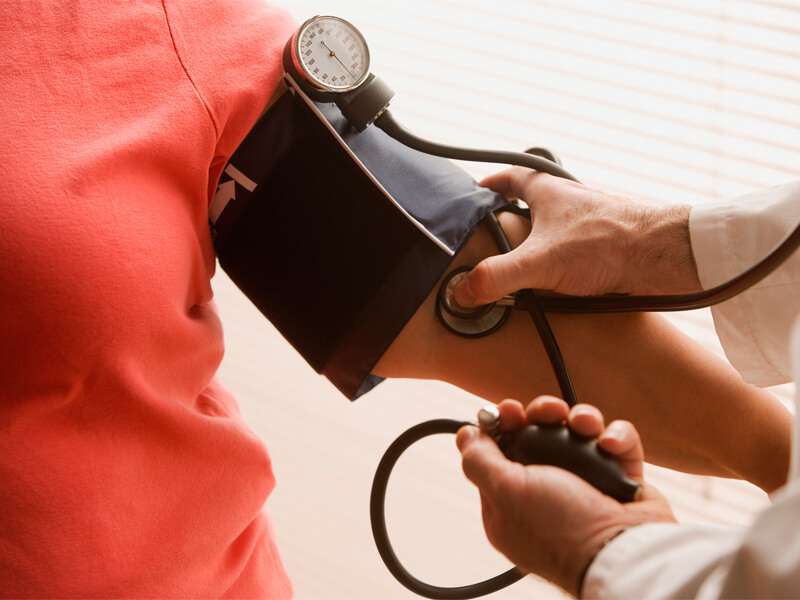
Hypertension, commonly known as high blood pressure, is a condition that can lead to serious health issues if left untreated. It often presents without any symptoms, making regular monitoring essential.
- Symptoms: Many individuals experience no symptoms; however, some may have headaches, shortness of breath, or nosebleeds.
- Causes: It can be influenced by factors such as genetics, poor diet, sedentary lifestyle, and stress.
- Diagnosis: Blood pressure is measured using a sphygmomanometer during routine check-ups.
- Treatment: Lifestyle changes like weight loss and dietary modifications are first-line strategies; medications may also be prescribed for more severe cases.
- What to expect: With proper management, individuals can maintain normal blood pressure and reduce the risk of heart disease and stroke.
Early detection and management of hypertension are key to preventing complications. Regular check-ups are recommended for maintaining optimal health.