
Dr Anurag Tomar
About Me
Dr Anurag Tomar
DO
Ophthalmologist
10 Years Experience
Biography
My Clinic
OPD Hours
| Monday | Morning | 10:00 AM | - | 02:00 PM |
| Evening | 06:00 PM | - | 09:00 PM | |
| Tuesday | Morning | 10:00 AM | - | 02:00 PM |
| Evening | 06:00 PM | - | 09:00 PM | |
| Wednesday | Morning | 10:00 AM | - | 02:00 PM |
| Evening | 06:00 PM | - | 09:00 PM | |
| Thursday | Morning | 10:00 AM | - | 02:00 PM |
| Evening | 06:00 PM | - | 09:00 PM | |
| Friday | Morning | 10:00 AM | - | 02:00 PM |
| Evening | 06:00 PM | - | 09:00 PM | |
| Saturday | Morning | 10:00 AM | - | 02:00 PM |
| Evening | 06:00 PM | - | 09:00 PM | |
| Sunday | Morning | 10:00 AM | - | 02:00 PM |
| Evening | 06:00 PM | - | 09:00 PM |
Treatments
Specialised care and treatments offered
DRY EYE SYNDROME TREATMENT
This chronic condition arises when there is insufficient production or poor quality production of tears leading to discomfort. Factors contributing include environmental conditions, prolonged screen time, or certain health conditions itself.
- Common symptoms include a gritty sensation in your eyes along with redness or blurred visibility.;< l i >< l i >Certain diagnostic tests, such as tear break-up time measurement will assess tear production levels accurately.;< l i >< l i >< s trong>Treatment options can range from over-the-counter artificial tears to prescription medications aimed at stimulating natural tear production.;< l i >< s trong>Lifestyle adjustments; like taking breaks during screen time will also support overall comfort.;< l i >
RETINAL DETACHMENT REPAIR
A retinal detachment occurs when the retina separates from its underlying supportive tissue. This serious condition requires immediate medical attention as it threatens permanent vision loss if not addressed promptly.
- Symptoms often include sudden flashes of light or floating spots in your field of vision; some may experience a shadow appearing over their eyesight.
- Diagnosis can involve several tests, including ultrasound imaging. A detailed examination can confirm whether detachment has occurred.
- Surgical interventions such as vitrectomy or scleral buckle procedures are commonly used depending on severity and type of detachment present;
- Post-operative care includes close monitoring and adhering strictly to your physician's recovery plan for optimum outcomes.
Seeking help at first signs is vital; timely intervention offers better chances for preserving vision after retinal detachment issues arise.
AGE-RELATED MACULAR DEGENERATION (AMD)
A common vision impairment among older adults, Age-Related Macular Degeneration (AMD) affects the central part of the retina called the macula. This leads to a gradual loss of sharpness in central vision.
- Early symptoms may include distorted visuals or difficulty recognizing faces;
- Diagnosis typically includes a comprehensive dilated eye exam using specialized imaging techniques, including Amsler grid testing.
- Treatment options range from lifestyle modifications to medications that target specific types of AMD; research indicates that dietary supplements may also play a preventive role.
- Regular follow-ups will be essential for monitoring progression and adjusting strategies as necessary.
If noticed early enough, interventions can significantly help maintain quality vision as one ages.
DIABETIC RETINOPATHY TREATMENT
This complication of diabetes affects the eyes due to damage caused by high blood sugar levels. Diabetic retinopathy can affect anyone with diabetes and often progresses without visible symptoms until significant damage occurs.
- The initial signs
- A comprehensive eye examination by an ophthalmologist is vital for identifying retinal changes associated with diabetesse using imaging techniques like fluorescein angiography or optical coherence tomography (OCT).
- Treatment might involve laser therapy for advanced stages or injections of medication into the eye to reduce swelling or prevent further deterioration.
- Lifestyle changes , such as better glucose control, are also essential components of managing diabetic retinopathy effectively.
Regular check-ups are crucial for those diagnosed with diabetes to manage this potentially sight-threatening condition effectively.
GLAUCOMA MANAGEMENT
Glaucoma is a serious eye condition that can lead to irreversible vision loss if left untreated. It usually results from increased pressure in the eye, often without noticeable symptoms until significant damage has occurred.
- The primary cause of glaucoma is often related to fluid buildup within the eye.
- A thorough examination by an ophthalmologist can help in diagnosing this condition using tests such as tonometry and visual field testing.
- Treatment options range from medication—usually in the form of eye drops—to surgical procedures aimed at reducing intraocular pressure.
- A regular monitoring routine will be established to track any changes in your eyesight and adjust treatment accordingly.
- An early diagnosis can greatly enhance management efforts and preserve vision over time.
If there's a family history of glaucoma or other risk factors present, proactive screening is advised for effective management of this condition.
CATARACT SURGERY
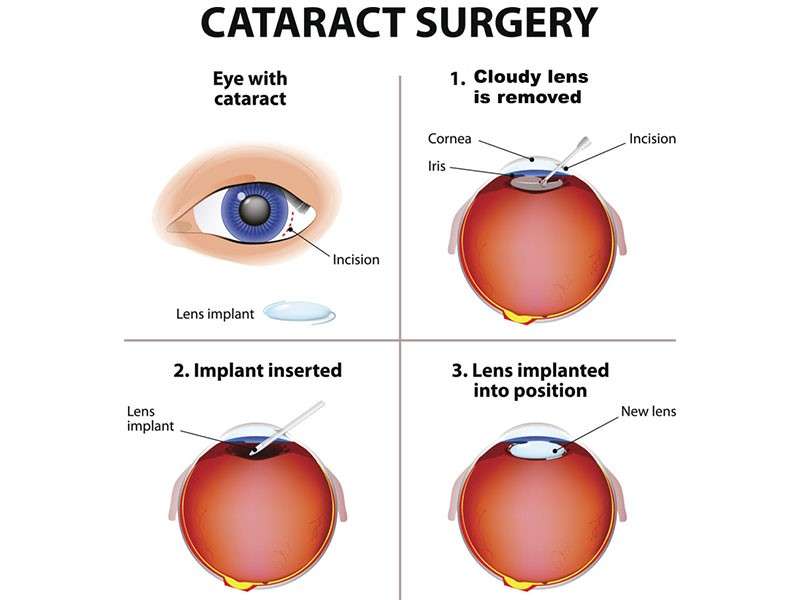
Cataracts are a common vision issue, particularly affecting older adults. They occur when the lens of the eye becomes cloudy, which can hinder clear vision.
- Symptoms include blurred or dim vision, difficulty seeing at night, and sensitivity to glare.
- The diagnosis usually involves a comprehensive eye exam, including visual acuity tests and dilated eye examinations.
- Treatment typically involves surgery to remove the cloudy lens and replace it with an artificial one.
- Post-operative care is essential and may include using prescribed eye drops and attending follow-up appointments.
- Paitents can expect significant improvements in their vision after successful surgery.
If you have been experiencing any symptoms related to cataracts, consult an ophthalmologist for personalized assessment and treatment options.