
Dr ANWAR NEURO
About Me
Dr ANWAR NEURO
MBBS
General Physician
10 Years Experience
Biography
My Clinic
OPD Hours
| Monday | Morning | 10:00 AM | - | 02:00 PM |
| Evening | 06:00 PM | - | 09:00 PM | |
| Tuesday | Morning | 10:00 AM | - | 02:00 PM |
| Evening | 06:00 PM | - | 09:00 PM | |
| Wednesday | Morning | 10:00 AM | - | 02:00 PM |
| Evening | 06:00 PM | - | 09:00 PM | |
| Thursday | Morning | 10:00 AM | - | 02:00 PM |
| Evening | 06:00 PM | - | 09:00 PM | |
| Friday | Morning | 10:00 AM | - | 02:00 PM |
| Evening | 06:00 PM | - | 09:00 PM | |
| Saturday | Morning | 10:00 AM | - | 02:00 PM |
| Evening | 06:00 PM | - | 09:00 PM | |
| Sunday | Morning | 10:00 AM | - | 02:00 PM |
| Evening | 06:00 PM | - | 09:00 PM |
Treatments
Specialised care and treatments offered
ALLERGY TESTING
An allergy occurs when your immune system reacts to a foreign substance known as an allergen. Allergy testing helps identify specific allergens triggering adverse responses in patients.
- Common Symptoms: Allergic reactions vary widely but often include sneezing, itching, skin rashes (eczema), hives, or gastrointestinal symptoms after exposure to specific allergens.
- The Testing Process: Skin prick tests or specific IgE blood tests evaluate responsiveness to various allergens—including pollen, food items, or insect stings—providing essential diagnostic information.
ASTHMA MANAGEMENT
Asthma is a chronic lung condition characterized by inflammation and narrowing of the airways. Proper management can dramatically improve quality of life for those affected by this condition.
- Symptoms: Common symptoms include wheezing, coughing (especially at night), shortness of breath, and chest tightness during episodes of exacerbation.
- Triggers: Allergens such as pollen or dust mites, respiratory infections, cold air exposure, or vigorous exercise may trigger asthma attacks.
- Asthma Action Plan: Creating a personalized action plan helps identify triggers and establish steps to manage symptoms effectively when they arise.
- Treatment Options: Options include inhaled corticosteroids or bronchodilators. Education on proper inhaler techniques ensures effective use of medications.
A comprehensive approach involving both medical management and lifestyle adaptations is key in controlling asthma effectively.
DIABETES SCREENING

Diabetes is a chronic condition that affects how your body processes glucose. Early detection through screening can help prevent complications associated with this disease.
- Risk Factors: Common risk factors include obesity, sedentary lifestyle, family history, and elevated blood sugar levels during previous screenings.
- Diagnosing Diabetes: Blood tests such as the fasting plasma glucose test or A1C test are utilized to assess blood sugar levels accurately.
- Treatment Options: Management typically includes dietary adjustments, exercise regimens, monitoring blood glucose levels regularly, and medication if necessary.
- Monitoring Progress: Regular follow-ups are crucial for tracking progress and making necessary adjustments to the treatment plan.
With proactive measures and consistent care, diabetes can be effectively managed to minimize long-term effects on health.
HYPERTENSION MANAGEMENT

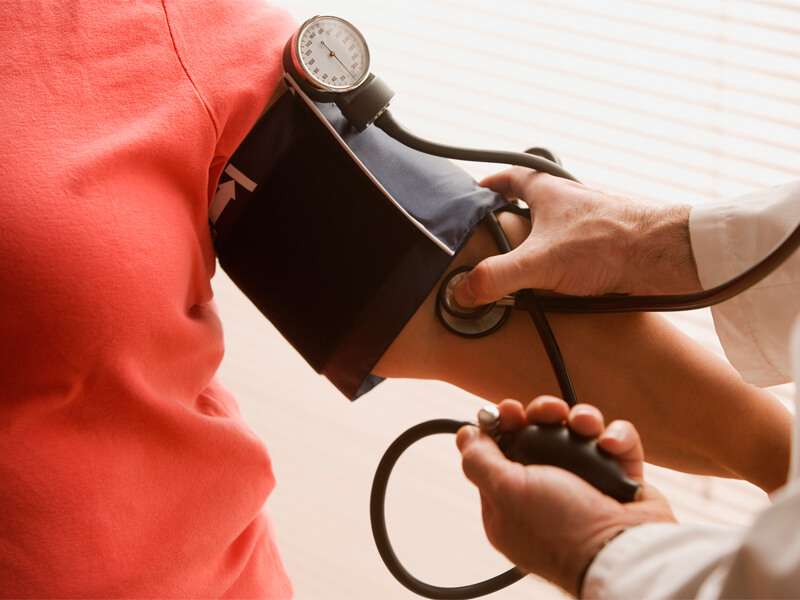
Hypertension, or high blood pressure, is a common condition that can lead to serious health complications if left untreated. It's often called the 'silent killer' because it may not present noticeable symptoms until significant damage has occurred.
- Symptoms: Many individuals remain asymptomatic; however, headaches, shortness of breath, and nosebleeds can occur in severe cases.
- Diagnosis: Regular monitoring of blood pressure is key. Blood tests and other assessments may be conducted to identify underlying causes.
- Treatment Options: Lifestyle changes such as diet modification, increased physical activity, and stress management are fundamental. Medications like diuretics may also be prescribed.
- Management: Routine follow-ups are essential for monitoring blood pressure and adjusting treatment plans as necessary.
- Expectations: With proper management, many patients can control their blood pressure effectively, reducing the risk of heart disease and stroke.
Timely intervention and adherence to treatment protocols significantly improve outcomes for individuals with hypertension.