
Dr Aparna Sharma
About Me
Dr Aparna Sharma
MD
Dermatologist
Biography
My Clinic
OPD Hours
| Monday | Morning | 10:00 AM | - | 02:00 PM |
| Evening | 06:00 PM | - | 09:00 PM | |
| Tuesday | Morning | 10:00 AM | - | 02:00 PM |
| Evening | 06:00 PM | - | 09:00 PM | |
| Wednesday | Morning | 10:00 AM | - | 02:00 PM |
| Evening | 06:00 PM | - | 09:00 PM | |
| Thursday | Morning | 10:00 AM | - | 02:00 PM |
| Evening | 06:00 PM | - | 09:00 PM | |
| Friday | Morning | 10:00 AM | - | 02:00 PM |
| Evening | 06:00 PM | - | 09:00 PM | |
| Saturday | Morning | 10:00 AM | - | 02:00 PM |
| Evening | 06:00 PM | - | 09:00 PM | |
| Sunday | Morning | 10:00 AM | - | 02:00 PM |
| Evening | 06:00 PM | - | 09:00 PM |
Treatments
Specialised care and treatments offered
CONTACT DERMATITIS
This common form of dermatitis arises from direct contact with allergens or irritants leading to inflammation of the skin. Understanding your triggers is pivotal for effective management!
- Main signs consist of red rash at contact site(s), itching/burning sensations being prevalent after exposure periods followed closely by blistering if irritation continues unchecked!
- Confirming diagnosis frequently utilizes both physical exam data alongside possible patch testing strategies specifically when allergic components come into question!
- Management generally involves immediate avoidance strategies followed perhaps by topical steroids aimed at alleviating inflammation while sometimes considering antihistamines (oral) particularly when itchy!
- Recurrent episodes necessitate heightened vigilance towards preventing future exposures plus instilling safe practices regarding product use recommendations aligned closely with professional advice!
With good education around potential irritants/allergens along targeted care approaches involved—positive outcomes remain achievable despite prevalence rates sustained throughout populations globally!
ROSACEA
Rosacea is a chronic inflammatory condition characterized by facial redness that often appears as flushing. It's frequently mistaken for acne but differs significantly in its symptoms and underlying causes.
- The primary symptoms include persistent redness across the central face, visible blood vessels (telangiectasia), papules/pustules similar to acne but without comedones (blackheads).
- Dermatologists diagnose rosacea primarily through clinical evaluation during an office visit; additional tests may be performed if there are atypical features present in patient presentations.
- Treatment focuses on managing symptoms and preventing flare-ups through topical medications (like metronidazole) or oral antibiotics for more severe manifestations; laser therapy might also be considered for visible blood vessels.
- Lifestyle modifications such as avoiding known triggers play an important role alongside therapeutic approaches in maintaining control over this condition.
Consistent management allows individuals affected by rosacea to enhance their self-esteem effectively while reducing discomfort associated with this disease.
SKIN BIOPSY
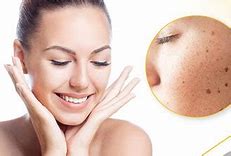
A skin biopsy is a diagnostic procedure used to examine lesions or skin abnormalities. This technique plays a crucial role in diagnosing various dermatological disorders including cancerous growths.
- The procedure involves removing a small sample of affected skin for laboratory analysis. Common indications include suspicious moles or rashes that do not respond to standard treatment.
- Dermatologists often decide between different biopsy techniques such as punch biopsy or excisional biopsy based on individual lesions' characteristics.
- The results contribute vital information needed for accurate diagnosis and personalized treatment planning moving forward; these results dictate further management strategies if malignancy is detected.
- The process usually has minimal discomfort; local anesthetic minimizes pain during the procedure itself. Full recovery typically takes only a few days depending on the technique used.
This essential diagnostic tool provides critical insights that guide effective treatment pathways for diverse dermatological conditions.
ACNE VULGARIS
Acne vulgaris is one of the most common dermatological conditions affecting adolescents and adults alike. It occurs when hair follicles become clogged with oil and dead skin cells.
- Main symptoms include whiteheads, blackheads, pimples, cysts, or scars on the face, back, chest, and shoulders.
- A dermatologist will evaluate the type of acne during an examination; sometimes blood tests are conducted to rule out hormonal imbalances as a contributing factor.
- Treatment varies based on severity but may include topical retinoids, antibiotics, hormonal treatments, or oral isotretinoin for persistent cases.
- Persistent follow-up appointments are essential as they allow for timely adjustments in treatment plans based on improvement or reactions experienced by the patient.
A comprehensive approach can greatly enhance results while reducing potential scarring associated with this common condition.
ECZEMA (ATOPIC DERMATITIS)
Eczema is an inflammatory skin condition that causes itchy, red, and swollen skin. Often seen in children but can persist into adulthood, it requires careful management to prevent flare-ups.
- The primary symptom includes intense itching along with red or brownish-gray patches on the skin.
- A dermatologist typically diagnoses eczema through physical examination and assessment of medical history; allergy testing may also be helpful in identifying triggers.
- Treatment usually includes topical corticosteroids, moisturizers, and avoiding known irritants or allergens that exacerbate the condition.
- It’s important for patients to develop a skincare routine that focuses on keeping the skin hydrated to minimize recurrences.
With proper care tailored to individual needs, those suffering from eczema can experience significant relief from symptoms and improve their overall skin health.
PSORIASIS
Psoriasis is a chronic autoimmune condition characterized by rapid skin cell reproduction, resulting in thick, scaly patches on the skin. This disorder can significantly impact a person's quality of life due to its visible symptoms and sometimes painful flare-ups.
- Symptoms include red patches covered with thick, silvery scales, dry and cracked skin that may bleed, itching or burning sensations, and thickened or ridged nails.
- The diagnosis typically involves a physical examination by a dermatologist and may be confirmed with a skin biopsy to differentiate from other conditions.
- Treatment options range from topical medications like corticosteroids to phototherapy and systemic treatments for more severe cases. Emollients help manage dryness and discomfort.
- Patients should expect regular monitoring and adjustments to their treatment plan based on their response.
With appropriate management, individuals with psoriasis can lead active lives while effectively controlling their symptoms.