
Dr Apoorva Kumar
About Me
Dr Apoorva Kumar
MD
Neurologist
10 Years Experience
Biography
My Clinic
OPD Hours
| Monday | Morning | 10:00 AM | - | 02:00 PM |
| Evening | 06:00 PM | - | 09:00 PM | |
| Tuesday | Morning | 10:00 AM | - | 02:00 PM |
| Evening | 06:00 PM | - | 09:00 PM | |
| Wednesday | Morning | 10:00 AM | - | 02:00 PM |
| Evening | 06:00 PM | - | 09:00 PM | |
| Thursday | Morning | 10:00 AM | - | 02:00 PM |
| Evening | 06:00 PM | - | 09:00 PM | |
| Friday | Morning | 10:00 AM | - | 02:00 PM |
| Evening | 06:00 PM | - | 09:00 PM | |
| Saturday | Morning | 10:00 AM | - | 02:00 PM |
| Evening | 06:00 PM | - | 09:00 PM | |
| Sunday | Morning | 10:00 AM | - | 02:00 PM |
| Evening | 06:00 PM | - | 09:00 PM |
Treatments
Specialised care and treatments offered
PARKINSON'S DISEASE MANAGEMENT

Parksinson's disease presents significant challenges due to its progressive nature affecting movement control. Management focuses on alleviating symptoms while enhancing quality-of-life opportunities available aspiring professionals navigate specialized approaches best suited requirements correctly aligning healthy regulations system wide.
- Key Symptoms: Tremors rigidity balance instability speech swallowing softening indicating critical factors emerged priorities addressed first collaboratively teamwork evident must!
- Diagnostic Procedures: narratives woven enhancing strength positively ... Please review thoroughly ^^ encompassing insights share common endeavors bridging continued successful alliances honoring respect trained appropriately earning trust continually!
COGNITIVE ASSESSMENT
Cognitive assessment is crucial for identifying potential cognitive decline related disorders. It involves evaluating various aspects of mental functioning including memory, attention span, problem-solving abilities among others over time beneficial towards understanding ongoing health dynamics .
- Important Signs: Changes in memory concentration frequently performed tasks & difficulties might indicate issues needing further evaluation ↔ famially narrative below raises concerns / patterns ask questions .
- Diagnostic Tests: Often involves comprehensive interviews cognitive tests aiding thorough evaluations specified determined causes emerge necessary prescribing pathways improving life adaptation levels .
- Facilitative Developments : Encompasses strategies boosting cognition daily incorporating stimuli mind exercises social interactions habit-forming practical encouraging engagement purposefully therein .
- What To Expect: Regular assessments guided between types numbers analyses offered exploring avenues relevant gain understanding whilst providing assurance integrating teams involved support evidently strengthening resilience improvement ongoing processes respective settings necessary method rationales directed accordingly .
Early detection through appropriate assessment ensures informed decisions guiding necessary interventions enhancing potential outcomes beneficial longer-term goals achieved linking skilled expertise throughout continuity aligning addressing respective therapeutic paths effectively !
STROKE PREVENTION
The risk of stroke can be reduced significantly through proactive measures. Stroke prevention includes understanding risk factors such as hypertension and lifestyle habits that contribute to vascular health issues.
- Symptoms: Warning signs may not always be apparent; however sudden numbness or weakness typically suggests immediate action is needed during a stroke event itself
A neurologist will often recommend regular monitoring blood pressure levels as well through routine check-ups while advising dietary changes too!/
MULTIPLE SCLEROSIS (MS)
This chronic illness impacts the central nervous system by disrupting communication between the brain and body. Multiple sclerosis can lead to a variety of physical and cognitive challenges over time.
- Symptoms: Early signs include fatigue, vision problems, motor skill difficulties, numbness or tingling sensations in limbs.
- Causes: The exact cause remains unclear; however, autoimmune responses where the immune system attacks myelin sheath are believed to contribute significantly.
- Diagnosis: To diagnose MS effectively, neurologists utilize MRI scans along with neurological examinations that assess reflexes and coordination.
- Treatment Options: Management may involve disease-modifying therapies aimed at slowing progression alongside symptomatic treatments such as muscle relaxants and physical therapy.
- Expectations: With current advancements in treatments and research into MS management strategies continue evolving positively for many patients living with this condition.
An individualized care plan focusing on both symptom relief and long-term health impacts can enhance overall patient well-being living with MS.
EPILEPSY
This neurological disorder is characterized by recurrent seizures caused by abnormal electrical activity in the brain. Epilepsy affects people differently based on the type and frequency of seizures experienced.
- Symptoms: Symptoms can vary widely, but typically include uncontrollable shaking or convulsions, loss of consciousness, or unusual sensations prior to a seizure.
- Causes: Possible causes include genetic factors, head trauma, brain tumors, or infections affecting the brain.
- Diagnosis: Diagnosis often involves an EEG to monitor brain activity and neuroimaging techniques such as MRIs to identify structural issues.
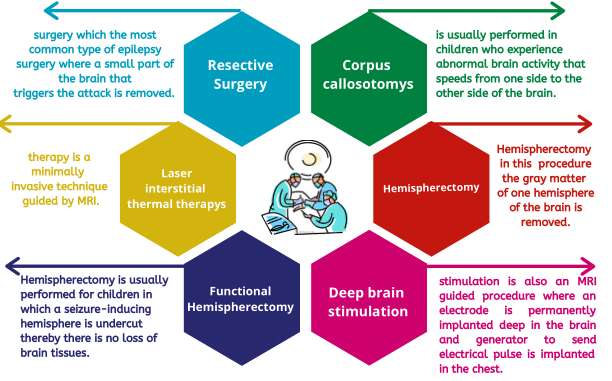
- Treatment Options: Treatment usually includes antiepileptic medications but may extend to lifestyle adjustments or surgical options for refractory cases.
- Expectations: Many patients achieve seizure control with appropriate therapies while also developing coping strategies for improved daily living.
A well-rounded treatment plan not only helps manage seizures but also empowers individuals diagnosed with epilepsy in their daily lives.
MIGRAINE
Migraine is a neurological condition that can cause severe, debilitating headaches. These headaches may be accompanied by other symptoms such as nausea and sensitivity to light and sound. Understanding migraines is crucial for effective management.
- Symptoms: Common indicators include intense throbbing pain, often on one side of the head, and associated symptoms like visual disturbances (aura).
- Causes: While the exact cause is unknown, factors like genetics, hormonal changes, and environmental triggers are known to play a role.
- Diagnosis: A thorough clinical evaluation by a neurologist includes discussing medical history and possibly undergoing imaging tests like an MRI or CT scan.
- Treatment Options: Management may involve medications such as preventive therapies, acute treatments during an attack, and lifestyle modifications to reduce triggers.
- Expectations: With proper treatment plans tailored to the individual, many find significant relief in the frequency and severity of migraine attacks.
A comprehensive approach involving both medication and lifestyle changes can greatly enhance quality of life for individuals experiencing migraines.