
Dr AR Goyal
About Me
Dr AR Goyal
MBBS
Podiatrist
10 Years Experience
Biography
My Clinic
OPD Hours
| Monday | Morning | 10:00 AM | - | 02:00 PM |
| Evening | 06:00 PM | - | 09:00 PM | |
| Tuesday | Morning | 10:00 AM | - | 02:00 PM |
| Evening | 06:00 PM | - | 09:00 PM | |
| Wednesday | Morning | 10:00 AM | - | 02:00 PM |
| Evening | 06:00 PM | - | 09:00 PM | |
| Thursday | Morning | 10:00 AM | - | 02:00 PM |
| Evening | 06:00 PM | - | 09:00 PM | |
| Friday | Morning | 10:00 AM | - | 02:00 PM |
| Evening | 06:00 PM | - | 09:00 PM | |
| Saturday | Morning | 10:00 AM | - | 02:00 PM |
| Evening | 06:00 PM | - | 09:00 PM | |
| Sunday | Morning | 10:00 AM | - | 02:00 PM |
| Evening | 06:00 PM | - | 09:00 PM |
Treatments
Specialised care and treatments offered
CHARCOT FOOT RECONSTRUCTION SURGERY
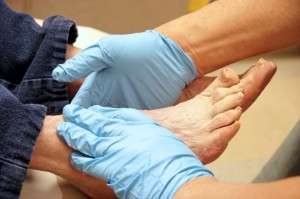
The Charcot foot is a complex condition resulting in severe joint destruction usually seen in diabetic neuropathy patients. Reconstruction surgery aims at stabilizing deformities preventing ulcerations and improving foot biomechanics.
PERIPHERAL NEUROPATHY MANAGEMENT IN FEET
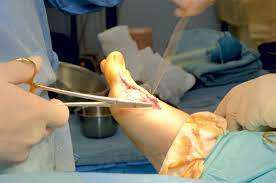
Peripheral neuropathy in feet manifests as numbness, tingling, or burning sensations arising from nerve damage. Managing this condition focuses on symptom control and preventing progression affecting foot health adversely.
- Main Symptoms & Causes:Numbness, weakness, prickling sensations commonly linked with diabetes, infections, toxins, or trauma affecting peripheral nerves in feet.
ACHILLES TENDON REPAIR
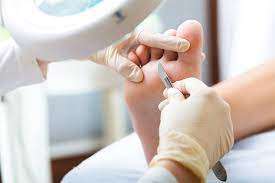
The Achilles tendon connects calf muscles to the heel bone and can suffer partial or complete ruptures impacting mobility severely. Surgical repair restores tendon integrity enabling return to normal activities.
- Causative Factors & Symptoms: Sudden calf pain accompanied by difficulty pushing off during walking or running; often results from sports injuries or degenerative changes.
- Diagnostic Evaluation: Clinical tests such as Thompson's test complemented by ultrasound or MRI imaging confirm extent of rupture.
- Surgical Technique: Involves suturing torn ends together either through open surgery or minimally invasive methods based on injury characteristics.
- Disease Management Post-Op: Immobilization followed by a structured rehab program emphasizing gradual load bearing restoration and strengthening exercises.
Achilles tendon repair offers patients a high chance for full functional recovery especially when treatment begins promptly after injury onset.
HAMMER TOE CORRECTION SURGERY
A hammer toe is a deformity causing one or more toes to bend abnormally at the middle joint. Corrective surgery focuses on restoring normal toe alignment for improved comfort and function.
- Presentation & Causes: Toe bends downward creating pressure points; commonly due to muscle imbalance or poorly fitting shoes over time.
- Assessment Methods: Visual inspection supported by X-rays helps understand joint stiffness and deformity extent.
- Surgical Approach: Procedures may involve tendon release, joint resection, or fusion depending on severity of contracture.
- Treatment Outcome Expectations: Post-surgical recovery includes immobilization followed by rehabilitation exercises to regain flexibility and strength.
This intervention can significantly alleviate pain caused by hammer toes while improving footwear compatibility and walking ability.
PLANTAR FASCIITIS RELEASE SURGERY
Plantar fasciitis causes sharp heel pain due to inflammation of the plantar fascia ligament. While most patients respond well to non-surgical treatments, persistent cases may require surgical release to alleviate tension.
- Symptoms and Causes: Heel pain worse after rest or first steps in the morning; often caused by repetitive strain or biomechanical abnormalities.
- Diagnostic Tools: Clinical evaluation supplemented with imaging like ultrasound or MRI to exclude other conditions.
- Surgical Treatment: Partial release of the plantar fascia ligament through minimally invasive techniques reducing strain on the heel bone.
- Postoperative Care: Protected weight-bearing with gradual return to activities; physical therapy may be used to enhance healing.
This surgery aims at long-term pain reduction allowing patients to resume daily activities comfortably when conservative management is insufficient.
BUNIONECTOMY SURGERY
A bunion is a painful bony bump that forms on the joint at the base of the big toe, often causing discomfort and difficulty in walking. When conservative measures fail, bunionectomy surgery becomes an effective option to realign the toe and relieve pain.
- Symptoms and Causes: Noticeable bump on the side of the foot, toe deformity, swelling, redness, and persistent pain exacerbated by footwear.
- Diagnosis: Physical examination combined with X-rays to assess bone alignment and severity of joint deformity.
- Treatment Options: Surgical removal of the bunion and realignment of bones to restore normal position; procedure choice depends on severity.
- Management Post-Surgery: Use of special footwear or casts, limited weight-bearing initially, followed by physical therapy for regaining mobility.
Recovery from bunionectomy varies but typically leads to significant pain relief and improved foot function when managed appropriately. Early intervention helps prevent further complications.