
Dr Archana Gokhr
About Me
Dr Archana Gokhr
MD
Cardiologist
10 Years Experience
Biography
My Clinic
OPD Hours
| Monday | Morning | 10:00 AM | - | 02:00 PM |
| Evening | 06:00 PM | - | 09:00 PM | |
| Tuesday | Morning | 10:00 AM | - | 02:00 PM |
| Evening | 06:00 PM | - | 09:00 PM | |
| Wednesday | Morning | 10:00 AM | - | 02:00 PM |
| Evening | 06:00 PM | - | 09:00 PM | |
| Thursday | Morning | 10:00 AM | - | 02:00 PM |
| Evening | 06:00 PM | - | 09:00 PM | |
| Friday | Morning | 10:00 AM | - | 02:00 PM |
| Evening | 06:00 PM | - | 09:00 PM | |
| Saturday | Morning | 10:00 AM | - | 02:00 PM |
| Evening | 06:00 PM | - | 09:00 PM | |
| Sunday | Morning | 10:00 AM | - | 02:00 PM |
| Evening | 06:00 PM | - | 09:00 PM |
Treatments
Specialised care and treatments offered
CHOLESTEROL MANAGEMENT
Lipid abnormalities contribute significantly to the development of cardiovascular disease. Addressing cholesterol imbalances can markedly reduce vascular risks over time.
- Causation & Identification: Elevated LDL (“bad”) cholesterol often results from genetic predisposition combined with unhealthy diets rich in saturated fats; routine blood lipid profiles establish diagnosis accurately.
ARRHYTHMIA EVALUATION AND MANAGEMENT

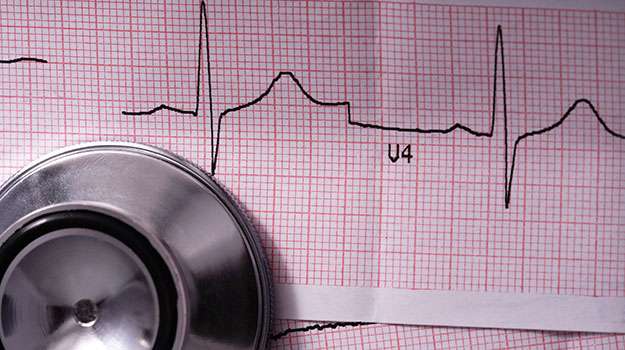
An arrhythmia refers to an irregular heartbeat which can range from harmless palpitations to life-threatening disturbances in cardiac rhythm. Prompt identification is key for safe management.
- Spectrum & Symptoms: Includes atrial fibrillation or ventricular tachycardia; symptoms may include dizziness, chest discomfort, or fainting episodes.
- Diagnostic Approaches:: Holter monitors, event recorders, ECGs are instrumental in capturing abnormal rhythms over time.
- Treatment Modalities:: Medications like antiarrhythmics, catheter ablation procedures, or implantation of pacemakers/defibrillators depending on severity.
- DateEfficacy & Follow-Up Care: : Regular monitoring ensures optimal control minimizing risks such as stroke associated with certain arrhythmias like atrial fibrillation.
HEART FAILURE CARE
Heart failure occurs when the heart cannot pump blood efficiently to meet the body's needs. It is a complex syndrome requiring comprehensive management.
- Causative Factors & Signs: Can result from conditions like hypertension or previous heart attacks; symptoms include swelling, fatigue, and difficulty breathing.
- Diagnostic Tools: Echocardiograms, blood tests such as BNP levels, and chest X-rays help evaluate heart function.
- Treatment Strategies: Emphasize medication adherence including diuretics and ACE inhibitors along with lifestyle adjustments such as sodium restriction and physical activity as tolerated.
- Long-Term Monitoring: Regular follow-ups are vital to adjust therapy based on symptom progression and prevent hospitalizations.
A multidisciplinary approach improves survival rates and helps maintain patient independence despite this chronic condition.
CORONARY ARTERY DISEASE (CAD)
This condition arises when plaque builds up inside coronary arteries, leading to reduced blood flow to the heart muscle. It often develops over many years without obvious symptoms.
- Symptoms & Causes: May present with chest pain (angina), shortness of breath, or fatigue; caused mainly by atherosclerosis linked to smoking, diabetes, and high cholesterol.
- Diagnosis: Includes ECGs, stress tests, coronary angiography, and imaging studies for accurate assessment.
- Treatment Options: Lifestyle modification, medications such as statins and antiplatelets, and in some cases procedures like angioplasty or bypass surgery.
- Prognosis & Follow-up: Early detection and treatment improve quality of life and reduce risk of heart attack significantly.
Understanding CAD enables patients to participate actively in their care and adopt healthier habits to support their heart function.
HYPERTENSION MANAGEMENT
High blood pressure is a widespread condition that increases the risk of heart disease and stroke. Managing it effectively is crucial for long-term cardiovascular health.
- Causes & Symptoms: Often called the "silent killer" because it may show no symptoms initially but can be caused by genetics, poor diet, stress, or sedentary lifestyle.
- Diagnosis: Regular blood pressure measurements taken during medical visits help detect hypertension.
- Treatment: Lifestyle changes such as improved diet and exercise, along with medications like ACE inhibitors or beta-blockers, are typically prescribed.
- Monitoring: Continuous follow-up to adjust treatments and avoid complications like kidney damage or heart attacks is essential.
Consistent management of blood pressure greatly reduces risks associated with cardiovascular disease and improves overall wellbeing.