
Dr Archana Parab
About Me
Dr Archana Parab
Dermatologist
Biography
My Clinic
OPD Hours
| Tuesday | Morning | 10:00 AM | - | 02:00 PM |
| Evening | 06:00 PM | - | 09:00 PM | |
| Wednesday | Morning | 10:00 AM | - | 02:00 PM |
| Evening | 06:00 PM | - | 09:00 PM | |
| Thursday | Morning | 10:00 AM | - | 02:00 PM |
| Evening | 06:00 PM | - | 09:00 PM | |
| Friday | Morning | 10:00 AM | - | 02:00 PM |
| Evening | 06:00 PM | - | 09:00 PM | |
| Saturday | Morning | 10:00 AM | - | 02:00 PM |
| Evening | 06:00 PM | - | 09:00 PM | |
| Sunday | Morning | 10:00 AM | - | 02:00 PM |
| Evening | 06:00 PM | - | 09:00 PM | |
| Thursday | Morning | 10:00 AM | - | 02:00 PM |
| Evening | 06:00 PM | - | 09:00 PM |
Treatments
Specialised care and treatments offered
WARTS
HYPERPIGMENTATION
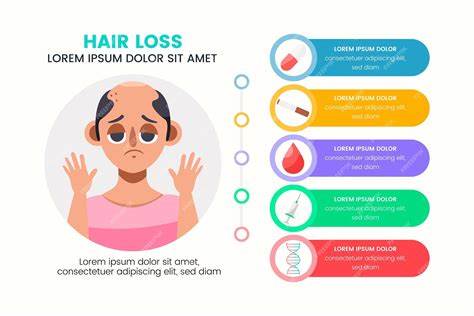
Hyperpigmentation refers to darkened patches of skin resulting from excess melanin production. This condition can affect people of all ages but is more prevalent in those with darker skin tones.
- Symptoms : Areas affected display increased color intensity compared to surrounding tissues; common types include age spots or post-inflammatory hyperpigmentation following injuries.
- Causes : Factors contributing include excessive sun exposure , hormonal changes , certain medications , or inflammatory diseases .
- Diagnosis : Dermatologists identify hyperpigmentation primarily through visual assessment supplemented by patient history if needed .
- Treatment options : Treatment approaches may involve topical brightening agents like hydroquinone , cryotherapy , laser therapy , chemical peels among others based on severity .
- What to expect : Many patients show significant improvement within months ; consistent application regime coupled with preventive measures against UV exposure yield optimal results over time .
Early intervention helps curb further darkening while enhancing overall complexion aesthetics .
ROSACEA
Rosacea is a chronic inflammatory skin condition characterized by facial redness and visible blood vessels. It predominantly affects adults aged 30-50 but can occur at any age.
- Symptoms: Symptoms typically include persistent redness across the cheeks and nose along with potential bumps resembling acne or burning sensations.
- Causes: Although its exact cause remains unclear, factors such as sun exposure, spicy foods, alcohol consumption, or emotional stress may trigger flare-ups.
- Diagnosis: Diagnosis generally involves examining clinical features alongside discussing triggers with the patient rather than relying on lab tests alone.
- Treatment options: Treatments consist of topical agents such as metronidazole or azelaic acid; oral antibiotics may also be prescribed for severe cases.
- What to expect : Managing rosacea focuses on minimizing symptoms through lifestyle modifications as well as medication adherence; many experience significant improvement over time.
Regular visits help tailor an effective management plan aimed at controlling rosacea's effects on daily life.
ACNE
Acne is one of the most common skin conditions affecting individuals during adolescence or adulthood. It occurs when hair follicles become clogged with oil and dead skin cells resulting in pimples or cysts.
- Symptoms: The primary signs include whiteheads, blackheads, pustules, or cystic lesions on the face and body.
- Causes: Factors contributing to acne include hormonal changes, dietary influences, stress levels, and certain medications.
- Diagnosis: Dermatologists diagnose acne through visual inspection of the affected areas without requiring laboratory tests in most cases.
- Treatment options: Treatment varies widely from topical retinoids and benzoyl peroxide formulations to oral antibiotics or hormonal therapies when needed.
- What to expect: While improvement may take several weeks before noticeable changes occur, consistent use of prescribed treatments leads to clearer skin over time.
A tailored skincare routine combined with lifestyle adjustments can facilitate effective acne management for many patients.
PSORIASIS
Psoriasis is a chronic autoimmune disorder that results in the rapid growth of skin cells leading to thick, red patches with silvery scales. It can significantly impact a person's quality of life due to its visible symptoms.
- Symptoms: Typical manifestations include dry patches that itch or burn, commonly appearing on the elbows, knees, and scalp.
- Causes: Psoriasis is believed to stem from an immune system misunderstanding that accelerates cell turnover.
- Diagnosis: Diagnosis usually involves a thorough examination of the skin; sometimes a biopsy may be needed for confirmation.
- Treatment options: Therapies range from topical treatments like corticosteroids to systemic medications and phototherapy based on severity.
- What to expect: Management aims at reducing inflammation and controlling symptoms; regular follow-up appointments help adjust treatment as necessary.
With appropriate care strategies in place, patients often find relief from the discomfort associated with psoriasis.
ECZEMA
Eczema, also known as atopic dermatitis, is a chronic skin condition that causes inflammation, redness, and irritation. This condition can vary in severity and often appears during childhood but may persist into adulthood.
- Symptoms: Common signs include dry, itchy patches of skin, which can become red and cracked.
- Causes: The exact cause is unknown, but it may be linked to genetic factors, environmental triggers, and immune system responses.
- Diagnosis: A dermatologist typically diagnoses eczema through physical examination and patient history without the need for extensive testing.
- Treatment options: Management often includes topical corticosteroids, moisturizers, and antihistamines to relieve itching.
- What to expect: While there is no cure for eczema, adherence to treatment plans can greatly reduce flare-ups and improve skin condition over time.
Recognizing triggers and establishing a consistent skincare routine are crucial for effectively managing eczema.