
Dr Archana Shukl
About Me
Dr Archana Shukl
DO
Ophthalmologist
Biography
My Clinic
OPD Hours
| Monday | Morning | 10:00 AM | - | 02:00 PM |
| Evening | 06:00 PM | - | 09:00 PM | |
| Tuesday | Morning | 10:00 AM | - | 02:00 PM |
| Evening | 06:00 PM | - | 09:00 PM | |
| Wednesday | Morning | 10:00 AM | - | 02:00 PM |
| Evening | 06:00 PM | - | 09:00 PM | |
| Thursday | Morning | 10:00 AM | - | 02:00 PM |
| Evening | 06:00 PM | - | 09:00 PM | |
| Friday | Morning | 10:00 AM | - | 02:00 PM |
| Evening | 06:00 PM | - | 09:00 PM | |
| Saturday | Morning | 10:00 AM | - | 02:00 PM |
| Evening | 06:00 PM | - | 09:00 PM | |
| Sunday | Morning | 10:00 AM | - | 02:00 PM |
| Evening | 06:00 PM | - | 09:00 PM |
Treatments
Specialised care and treatments offered
PTERYGIUM SURGERY
Pterygium is characterized by growths on the conjunctiva that can encroach onto the cornea. These growths can irritate eyes and lead to discomfort over time if not managed appropriately!
- Main symptoms typically encompass redness, irritation, or even obstruction affecting clear visual input depending on size!
RETINAL DETACHMENT REPAIR
A retinal detachment occurs when the retina pulls away from its normal position. This serious condition can lead to permanent vision loss if not treated promptly!
- Your initial signs might be sudden flashes of light or visible floaters; these require immediate attention from an ophthalmologist!
- An ophthalmic evaluation includes thorough examination methods such as ultrasound imaging for accurate diagnosis of detachment severity!
- Treatment often involves surgical procedures such as pneumatic retinopexy or scleral buckle placement aimed at reattaching retina back securely!
The outlook after repair is generally positive when addressed swiftly allowing many individuals restore their visual function effectively!
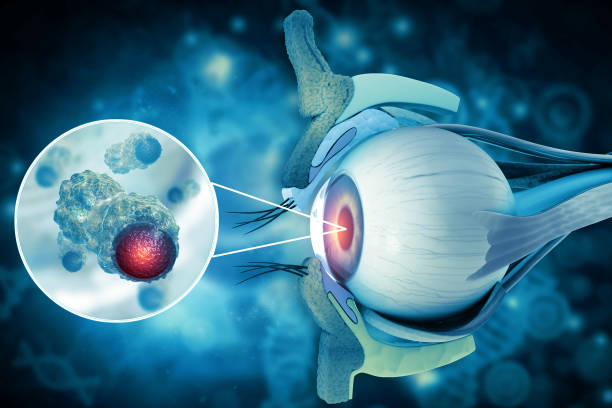
GLAUCOMA SURGERY
Glaucoma encompasses a group of eye conditions that damage the optic nerve, often linked to high intraocular pressure. If uncontrolled, it can lead to irreversible vision loss.
- The main symptoms may not be noticeable until significant damage has occurred; routine screenings are thus critical for early detection.
- A specialist will perform an evaluation involving tonometry tests (to measure pressure) along with visual field tests during diagnosis.
- Surgical options aim to lower eye pressure by enhancing fluid drainage or reducing fluid production within the eye structure.
- Pain relief post-surgery and gradual improvement in symptoms are expected as healing progresses; regular follow-ups ensure optimal care continuing thereafter.
Timely intervention significantly helps manage glaucoma effectively while preserving sight for years ahead.
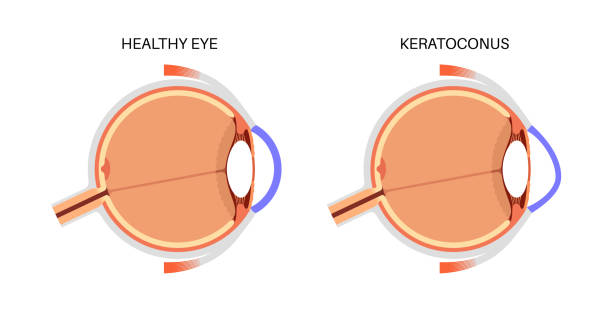
KERATOCONUS TREATMENT
Keratoconus is a progressive eye disease that leads to thinning of the cornea. This condition can cause significant distortion of vision over time if left untreated.
- Signs of keratoconus may include blurred or distorted vision and increased sensitivity to light.
- A comprehensive eye exam, possibly including topography imaging of the cornea, aids in confirming this diagnosis.
- Treatment options vary but may include specialized contact lenses, cross-linking therapies to strengthen corneal tissue, or surgery in advanced cases.
- Expect regular follow-ups post-treatment to monitor progress and adjust management plans accordingly.
Early detection allows for better management outcomes and preserves vision quality in affected individuals.
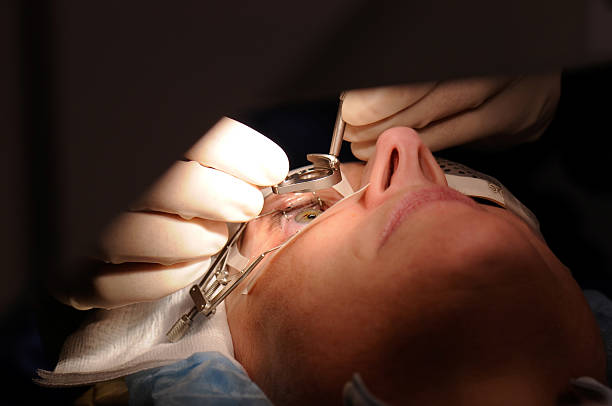
LASIK EYE SURGERY
Lasik is a popular refractive surgery designed to correct vision issues like myopia, hyperopia, and astigmatism. This advanced procedure reshapes the cornea to enhance focus on objects.
- Common symptoms indicating the need for Lasik include frequent headaches or difficulty seeing clearly without glasses.
- A thorough eye examination, including corneal mapping, assists in making an accurate diagnosis and determining suitability for surgery.
- The treatment involves using a laser to reshape the cornea; many patients experience immediate improvements in vision.
- Recovery is generally quick; many return to regular activities within a day or two after the procedure.
This minimally invasive surgery offers long-lasting results for those seeking freedom from corrective lenses.
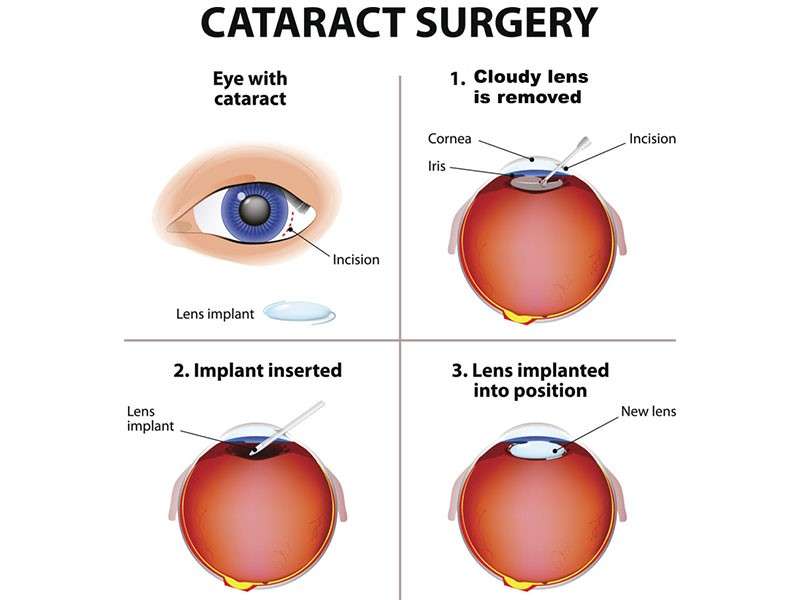
CATARACT SURGERY
Cataracts are a common eye condition that cloud the lens, affecting vision. This condition typically develops slowly and can greatly impact daily activities.
- Symptoms include blurry vision, difficulty seeing at night, and sensitivity to light.
- The diagnosis is made through a comprehensive eye exam, often including visual acuity tests and a slit-lamp examination.
- Treatment usually involves surgical procedures to remove the cloudy lens and replace it with an artificial one.
- Post-surgery, patients may experience improved vision and will need follow-up visits for monitoring.
- Most patients find the procedure quick and effective, with minimal downtime.
Surgery is a safe option with high success rates in restoring clear vision.